Fluted Wall Panels: The Complete Buyer’s Guide for Feature Walls

Fluted Wall Panels: The Complete Buyer's Guide for Feature Walls

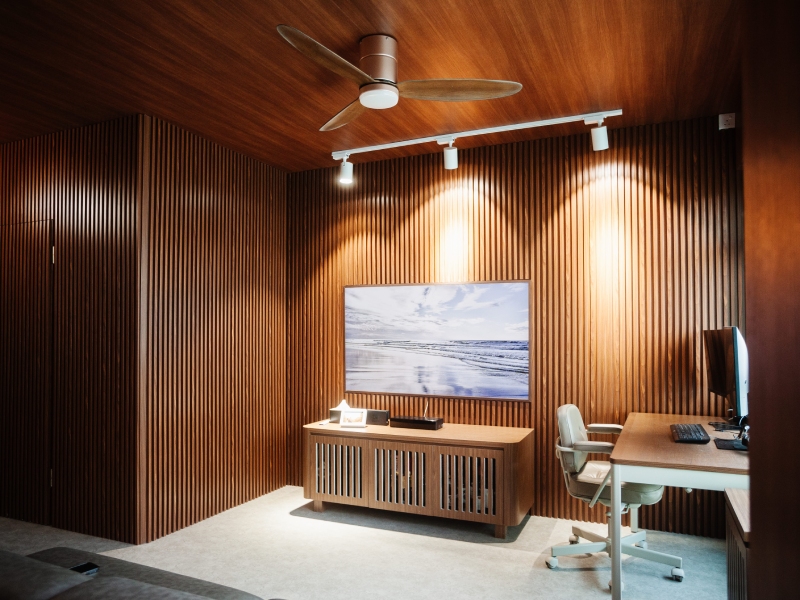
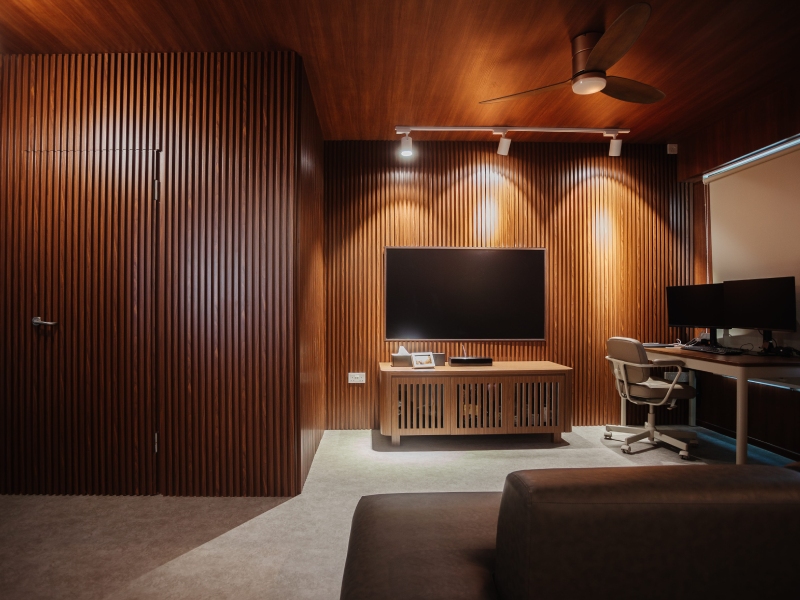
Walk into any newly renovated home or café in Singapore these days and there’s a good chance you’ll spot ridged, textured panelling running along a wall somewhere. That soft play of light and shadow across vertical grooves has become one of the most requested looks in local interior design, and for good reason. It transforms a flat, forgettable wall into something with real depth and character.

If you’ve been scrolling Pinterest or Instagram wondering what that trend is called and how to bring it into your own space, you’re in the right place.

This guide breaks down everything you need to know about choosing and installing a fluted wall panel, from materials and pricing to where it works best in a Singapore home.

What Exactly Are Fluted Wall Panels?

Fluted panels are wall coverings with a series of evenly spaced vertical grooves or ridges running across their surface. The word “fluted” comes from architecture, where it originally described the grooved columns seen in classical Greek and Roman buildings. Today, the same idea has been scaled down and reimagined for homes, offices, retail spaces, and cafés.

The appeal lies in the texture. Because the grooves catch light differently depending on the angle and time of day, a fluted panel never looks completely flat or static. It adds a sculptural quality to a room without needing bold colours or busy patterns, which is part of why the look pairs so well with minimalist and Scandinavian-inspired interiors.

Why Homeowners Are Choosing Fluted Panels
Why Homeowners Are Choosing Fluted Panels

There’s more to the trend than aesthetics, although the visual appeal is certainly the main draw. A few practical reasons keep coming up when clients explain why they’ve gone with fluted panelling.

Firstly, it hides imperfections well. Uneven plastering or old wall stains that would be obvious under flat paint tend to disappear once ridged panelling goes up. Secondly, it adds a sense of height. Vertical lines naturally draw the eye upward, which helps rooms with lower ceilings feel a little taller than they are. And it works as an accent feature without overwhelming a space, since a single fluted wall can anchor a room while the rest stays simple.

For homeowners thinking about maximising space and style at once, this kind of panelling tends to hit both marks without demanding a full renovation.

Materials to Consider

Not all fluted wall panels are made the same way, and the material you pick affects everything from cost to maintenance.

  • MDF or wood veneer panels: The most common choice for feature walls. Affordable, easy to install, and available pre-finished or paintable.
  • PVC or WPC panels: A popular pick for bathrooms, kitchens, or humid areas since they resist moisture better than timber-based options.
  • Solid timber: Offers a warmer, more premium finish but comes at a higher price point and needs more upkeep.
  • 3D wall panels with fluted texture: Often lightweight and designed for quick DIY installation, though the finish can look less refined up close compared to proper panelling.

For Singapore’s humidity, PVC or WPC tends to be the safer long-term bet in wet or semi-outdoor areas, while MDF works fine in air-conditioned living spaces.

Where to Use Fluted Panelling in Your Home
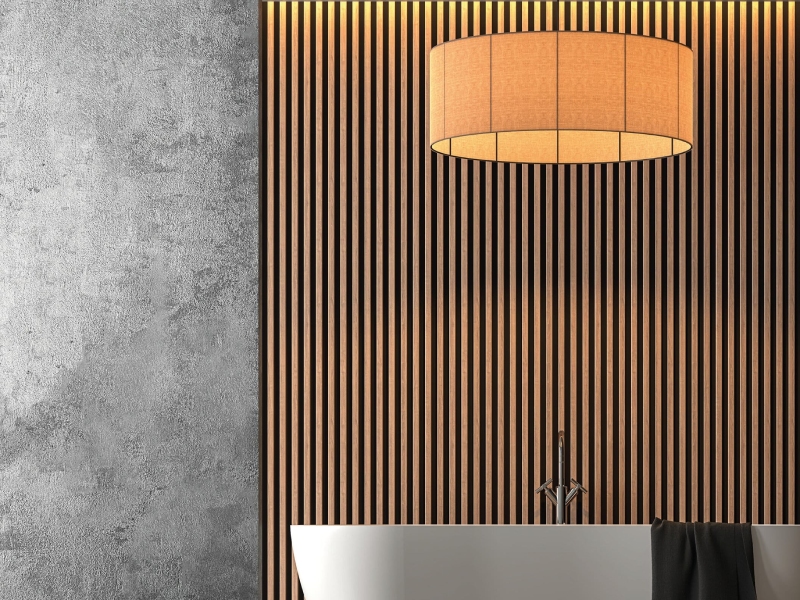
Where to Use Fluted Panelling in Your Home

One of the nicest things about this style of panelling is how versatile it is. It doesn’t need to be confined to a single accent wall in the living room, although that remains the most popular application.

Bedrooms benefit from a fluted headboard wall, which gives a hotel-suite feel without needing an actual upholstered headboard. TV consoles look sharper when the wall behind them carries a bit of texture rather than sitting bare. Hallways and entryways gain a boutique, considered feel with just a strip of panelling near the door. Even kitchen islands and bathroom vanities are being wrapped in fluted finishes for a more tactile, design-forward touch.

Cafés, retail shops, and offices around Singapore have also picked up on the trend, using it behind counters or reception desks to create a memorable first impression for customers and clients.

What Installation Involves

Installation typically starts with measuring the wall and prepping the surface, making sure it’s clean, dry, and reasonably flat. Panels are then either glued directly onto the wall or mounted using battens, depending on the material and wall condition. Edges and corners get finished off, and in some cases panels are painted after installation to match a specific colour scheme.

Most straightforward feature walls can be completed within a day, though larger or more complex layouts with curves, corners, or custom cuts will take longer. While some homeowners attempt a DIY approach with lightweight 3D panels, getting clean, even grooves and tight seams usually calls for a bit of experience, particularly around corners and electrical fittings.

A Rough Idea of Cost

Pricing varies quite a bit depending on material, panel size, and the complexity of the wall itself. As a general guide, MDF panels tend to sit at the more budget-friendly end, PVC and WPC options fall somewhere in the middle, and solid timber sits at the top of the range. Labour costs also shift depending on how much extra prep work the wall needs, such as removing old wallpaper or fixing uneven surfaces beforehand.

Getting a few quotes and asking what’s included is a smart move, since some providers price per panel while others quote per square foot inclusive of installation.

Choosing the Right Look for Your Space

Before committing, it helps to think about a few things. Consider the width and spacing of the grooves, since finer flutes tend to look more subtle while wider ones make a bolder statement. Think about colour too. Natural wood tones bring warmth, while painted white or black panels lean more contemporary. Finally, factor in lighting, as a wall washed with soft downlighting will show off the texture far better than one lit by harsh overhead lighting alone.

Bringing a sample panel home before deciding is always a smart move, since lighting and existing furniture can change how a finish reads in person compared to a photo online.

Ready to bring this look into your own home? Wallhub offers a range of quality wall panelling solutions suited to Singapore homes, along with guidance on materials, colours, and installation.
The Ultimate Wallpaper Design Guide for Singapore Homes (2026)

The Ultimate Wallpaper Design Guide for Singapore Homes (2026)

Walking into a home with the right wallpaper feels different. The colours settle you, and the pattern draws your eye without shouting for attention. That is the quiet power of good wallpaper design, and more Singapore homeowners are catching on to it every year.

If you have ever stood in a showroom staring at a hundred rolls of wallpaper, completely unsure where to start, you are not alone. From HDB flats to landed homes, every space comes with its own quirks, from humidity levels to how much natural light actually reaches your living room.

This guide walks you through the practical side of choosing wallpaper design for your home, so you can make a decision you will still love years down the road.

Why Wallpaper Design Deserves a Second Look

Why Wallpaper Design Deserves a Second Look

Paint has long been the default for Singapore homes, mostly because it is quick and familiar. But wallpaper brings something paint simply cannot: real texture and depth in a single application. A textured grasscloth wallpaper can make a plain bedroom feel like a boutique hotel. A soft floral print can turn a bare corridor into a space people actually stop to admire.

Wallpaper design also solves a problem many homeowners do not realise they have, which is that most walls in homes are painted in the same handful of safe, neutral shades. Wallpaper gives you an easy way to stand out without redoing your entire renovation plan.

Understanding Singapore’s Climate Before You Commit

Before falling for a pattern online, think about where it is going. Singapore’s humidity and heat mean that not every wallpaper material behaves the same way once it is on your wall.

  • Vinyl-coated wallpapers tend to hold up well against moisture, which makes them a sensible pick for kitchens and bathrooms.
  • Non-woven wallpapers breathe better and resist mould more effectively than traditional paper-backed options.
  • Natural fibre wallpapers like grasscloth look wonderful but need drier, well-ventilated rooms to last.

Getting this right early saves you from watching your new wallpaper peel or bubble within a year, which is a frustration nobody wants after spending time and money on a room refresh. This is also part of why some of the best wallpapers for HDB flats tend to be chosen with practicality in mind rather than looks alone.

Matching Wallpaper Design to Room Function

Matching Wallpaper Design to Room Function

Every room asks something different of its walls. A living room wallpaper needs to welcome guests and hold up under daily wear, while a bedroom wallpaper can afford to be softer and more restful.

For living rooms, many homeowners in Singapore lean towards muted textures or subtle geometric patterns that pair easily with existing furniture. Bedrooms tend to work best with calming tones such as sage green, dusty blue, or warm beige, since these colours are associated with better sleep and lower stress. Feature walls behind a bed or television console are a popular way to introduce a bolder pattern without overwhelming the whole room.

Kitchens and bathrooms need a different approach entirely. Steam and splashes mean these spaces call for wipeable, moisture-resistant wallpapers, ideally installed away from direct contact with water sources like sinks and stovetops.

Compact layouts mean rooms often serve more than one purpose, so it pays to think about how each wall will actually be used day to day.

Choosing a Pattern That Actually Suits Your Space

Small rooms and large rooms respond differently to pattern and scale. A common mistake is choosing a bold, oversized print for a small bedroom, which can make the space feel cramped rather than characterful.

A few pointers that tend to hold true across most homes:

  • Smaller rooms generally suit lighter colours and smaller, more delicate patterns.
  • Larger, open-concept spaces can carry bolder colours and larger prints without feeling busy.
  • Vertical stripes or elongated patterns can make low ceilings feel taller.
  • Warm, neutral tones help balance out rooms that get less natural light.

None of these are hard rules. Plenty of homeowners have taken a risk with a dramatic pattern in a small study and ended up with a room that feels far more personal than any neutral alternative could.

Practical Considerations Before Installation

Practical Considerations Before Installation

A beautiful wallpaper design can lose its charm quickly if the wall behind it was not properly prepared. Older HDB flats often have uneven wall surfaces or leftover paint residue that needs addressing first.

Before installation, it helps to check for:

  • Dampness or previous water stains, which should be resolved before any wallpaper goes up.
  • Cracks or uneven plastering that may need smoothing out.
  • Existing wallpaper that should usually be removed instead of papered over.

Professional installers will usually inspect these details during a site visit, which is far more reliable than guessing based on photographs alone.

Working with Colour Trends Without Losing Timelessness

Trends shift every year, and 2026 has seen a clear lean towards earthy, nature-inspired palettes, from terracotta to olive green to warm sand tones. These colours photograph beautifully and suit Singapore’s tropical light rather well.

That said, chasing every trend can leave you repainting or re-papering more often than necessary. A helpful approach is to keep large, expensive surfaces like living room walls in more timeless tones, while saving bolder trend colours for smaller accent areas such as a study nook or a powder room. This way, your home stays current without needing constant updates.

Bringing It All Together

Choosing wallpaper for your home does not need to feel overwhelming once you break it down into manageable steps. Start with the room’s function, factor in Singapore’s climate, then let your personal taste guide the final pattern and colour choice.

Every home tells a story through its walls, and the right choice can turn an ordinary room into a space that genuinely feels like yours. If you are ready to explore options suited to Singapore homes, Wallhub offers a wide range of styles and expert guidance to help you find a look that fits both your space and your lifestyle. Reach out to Wallhub today and take the first step towards a home that feels completely yours.