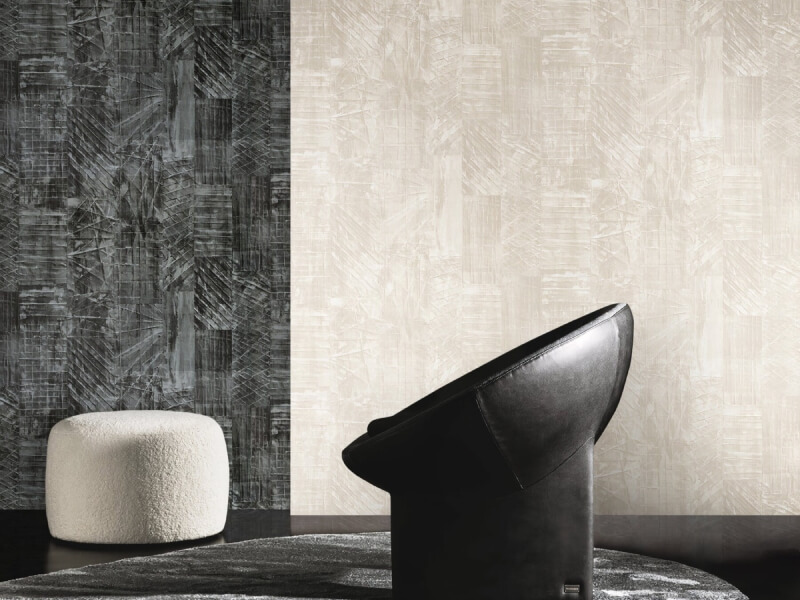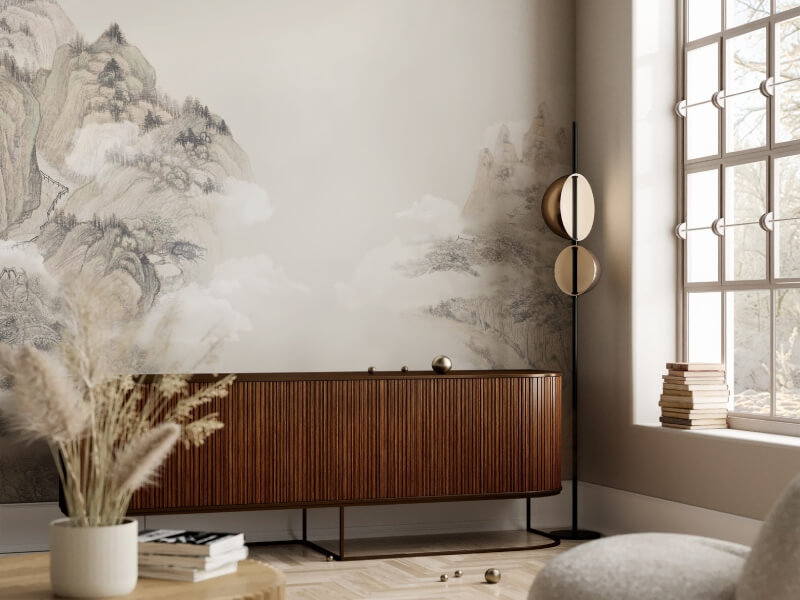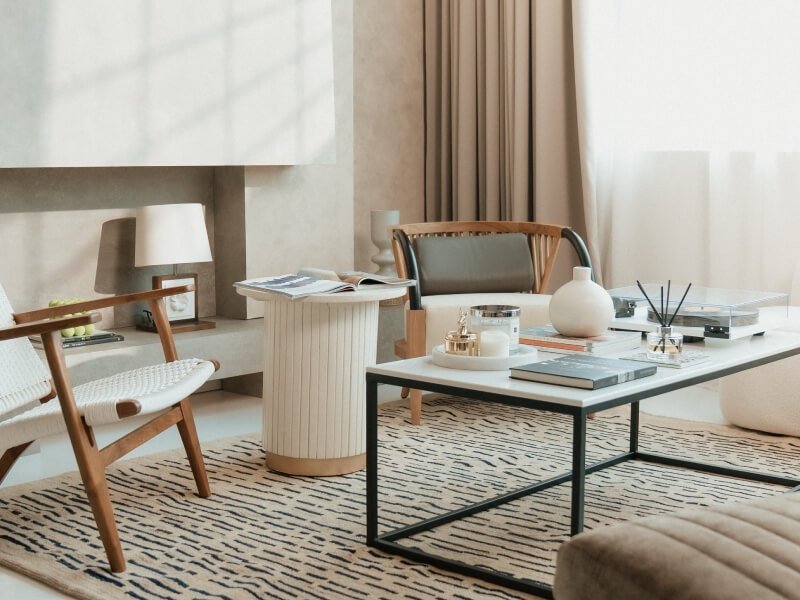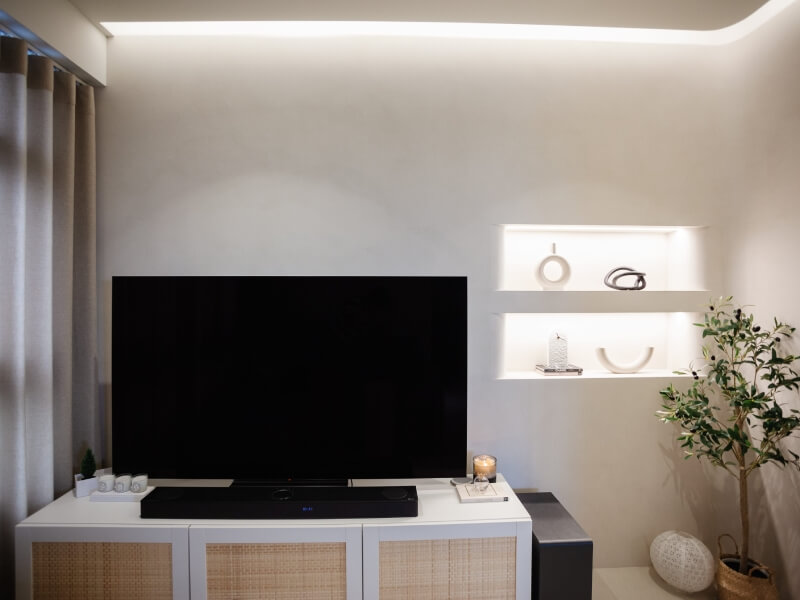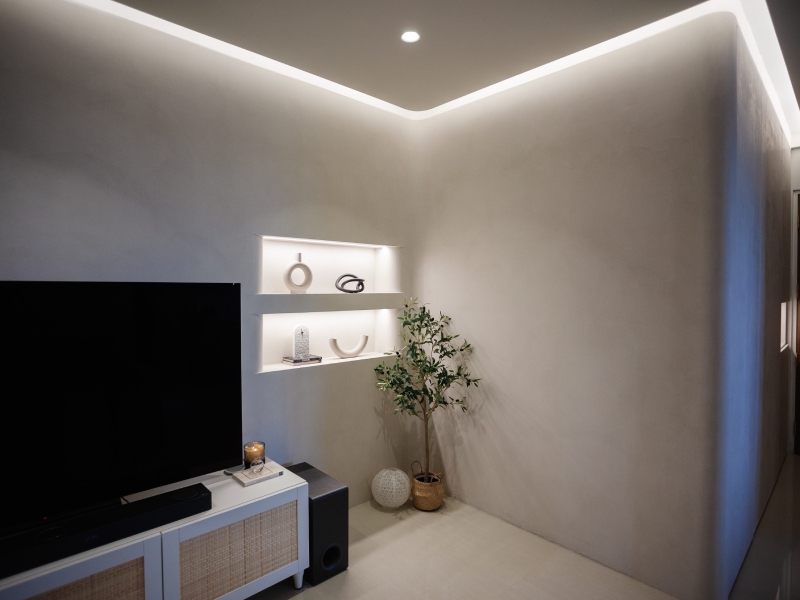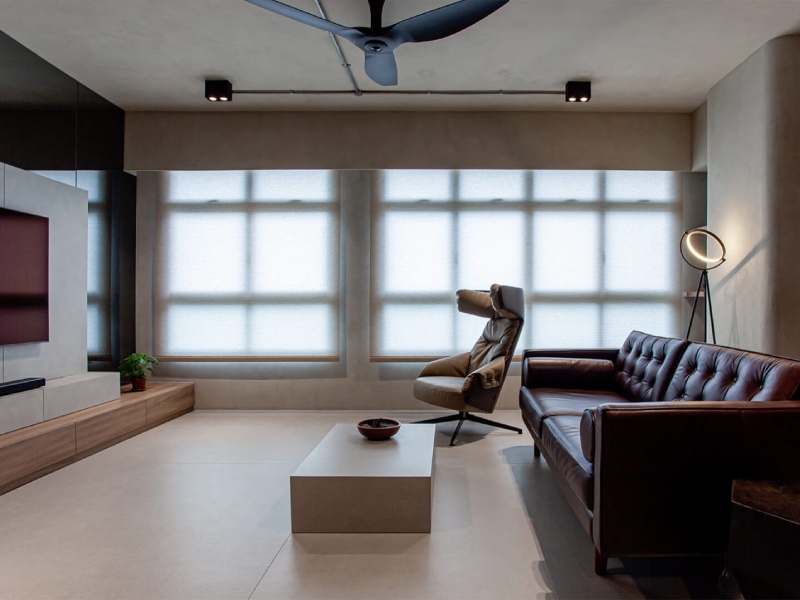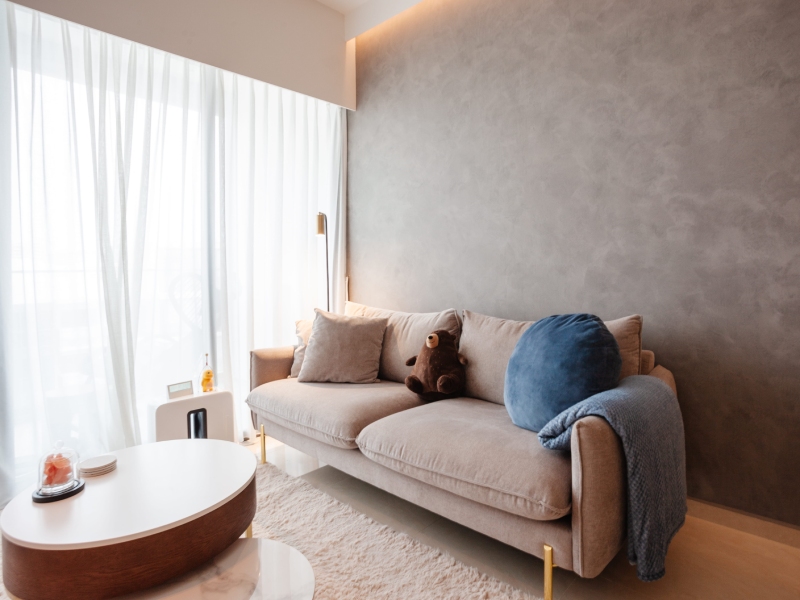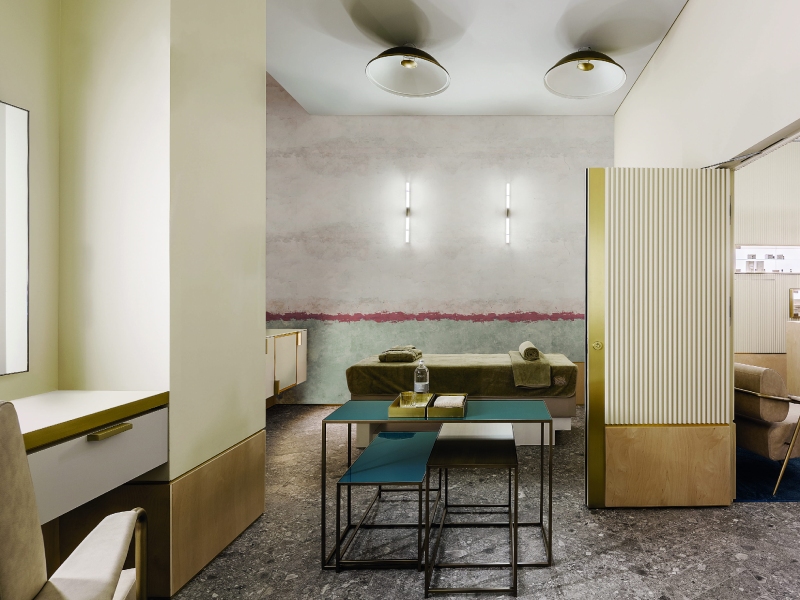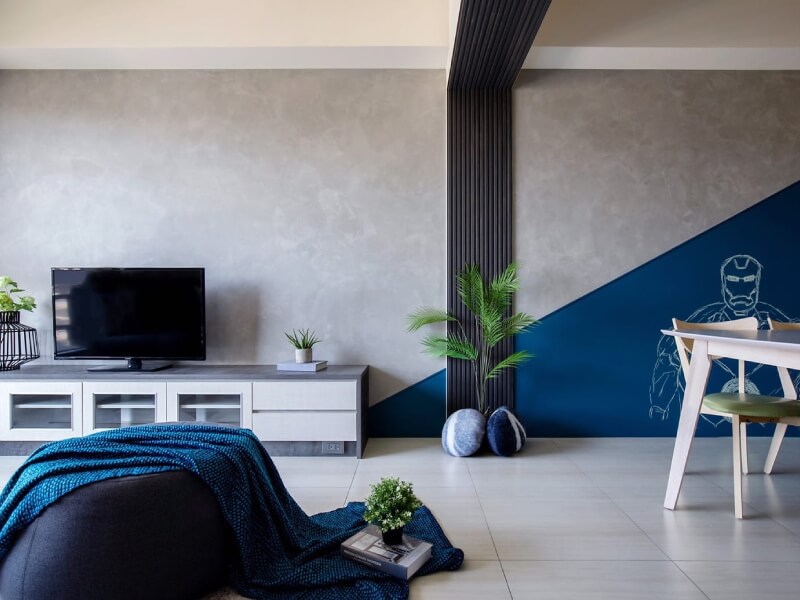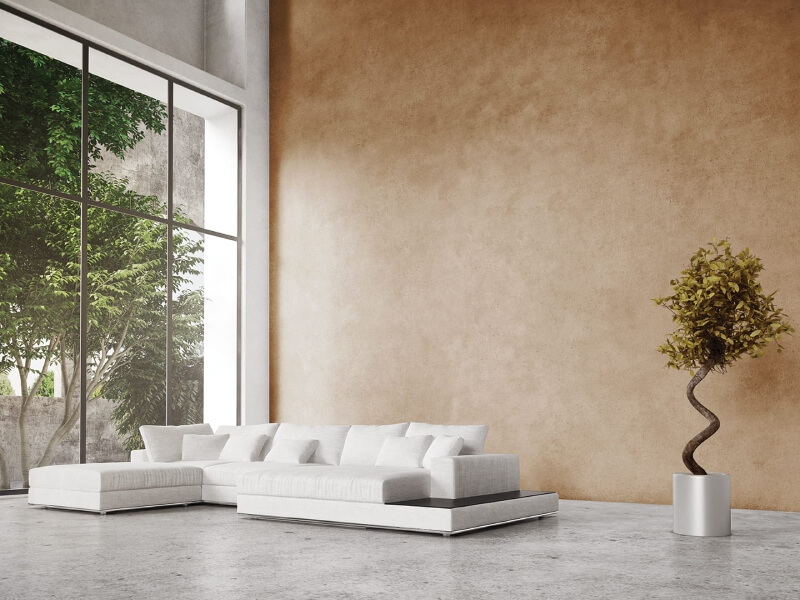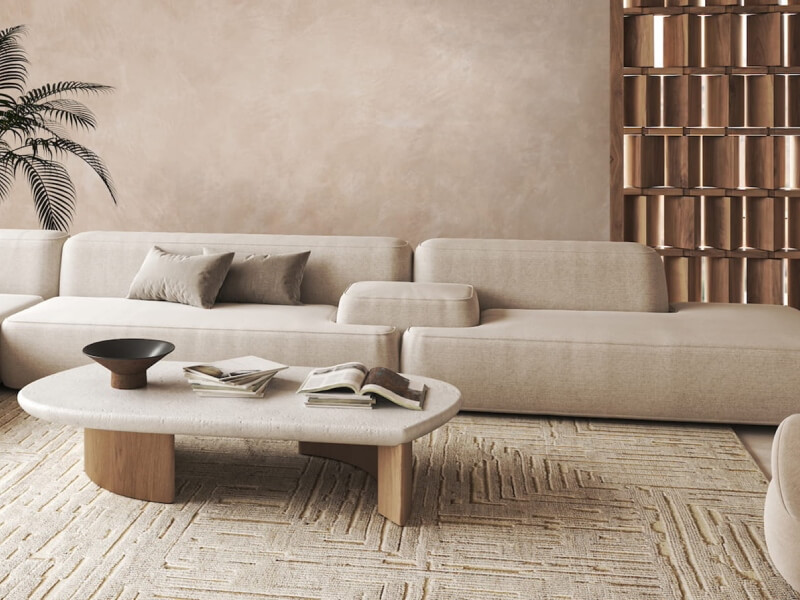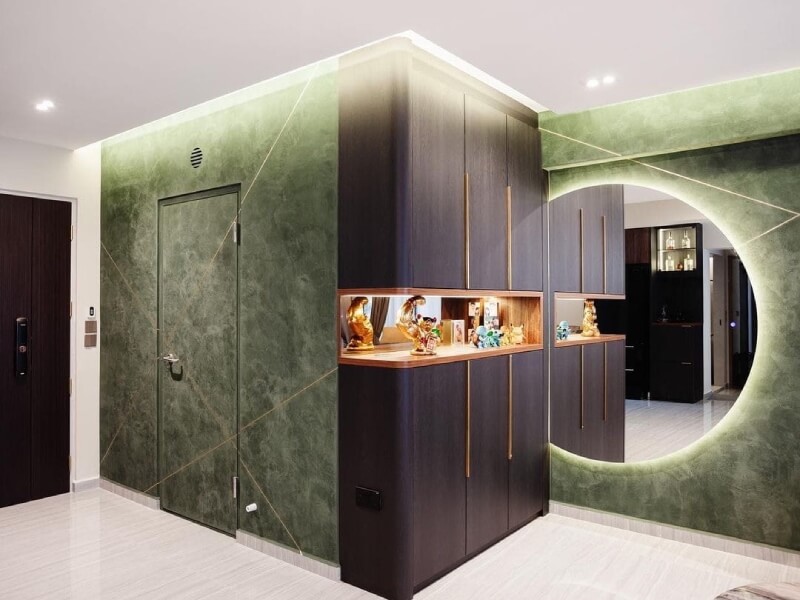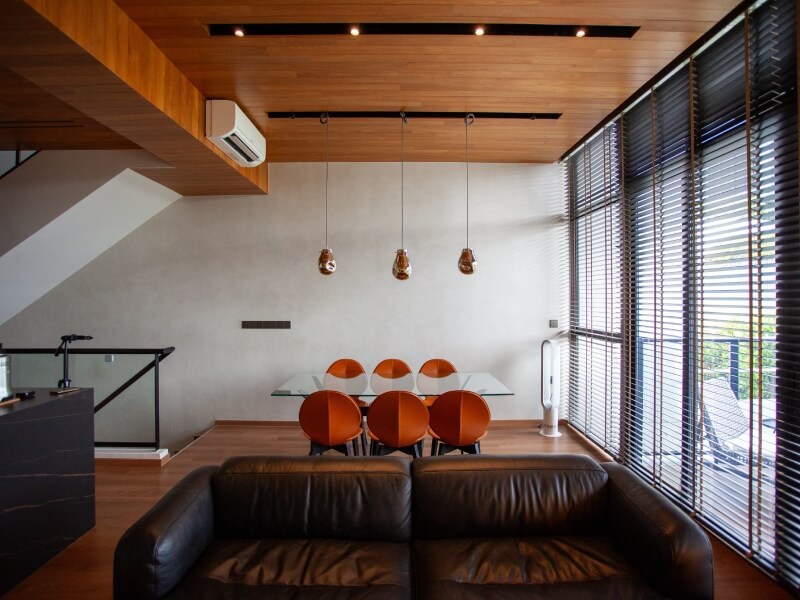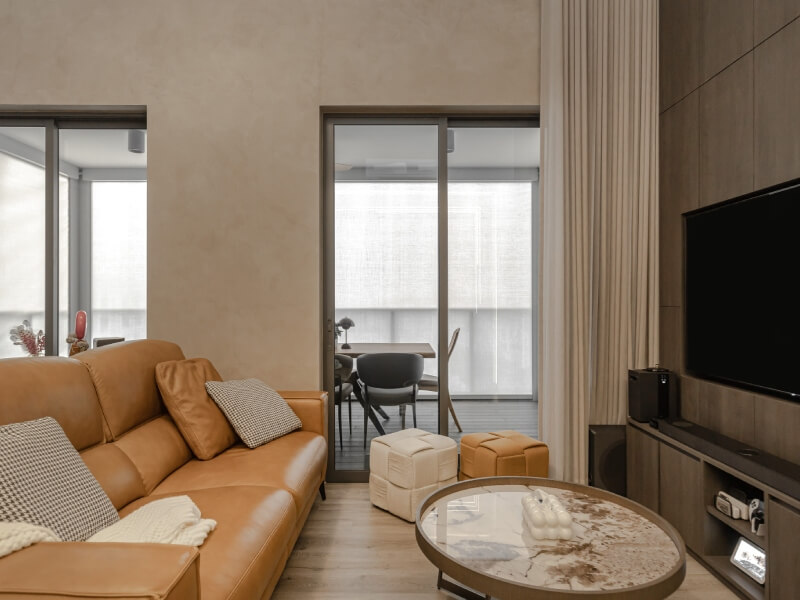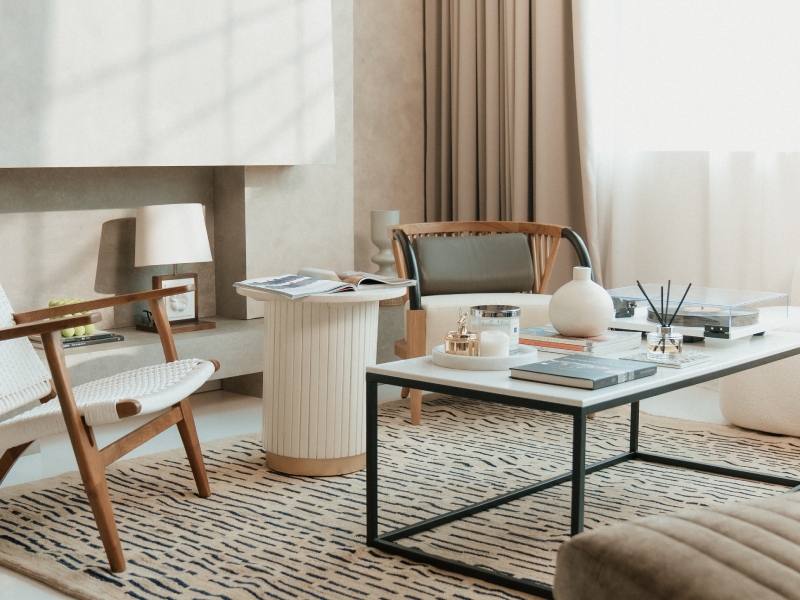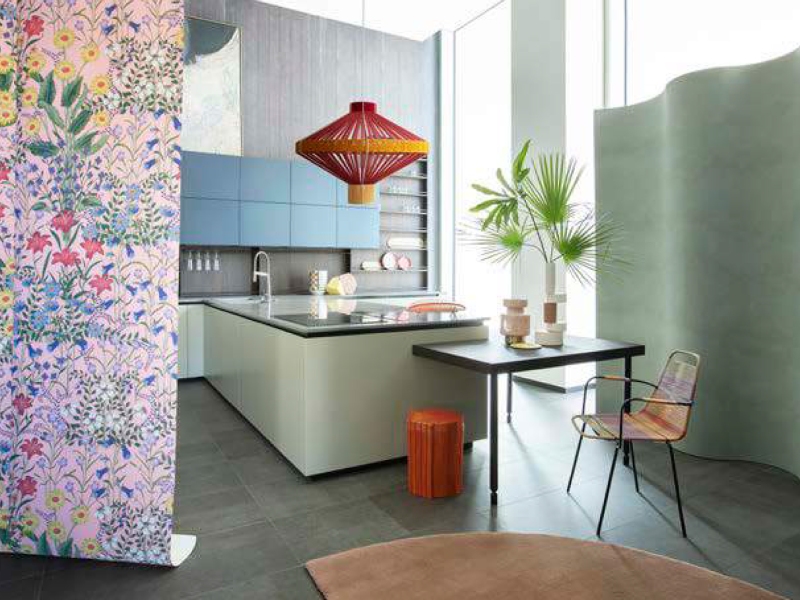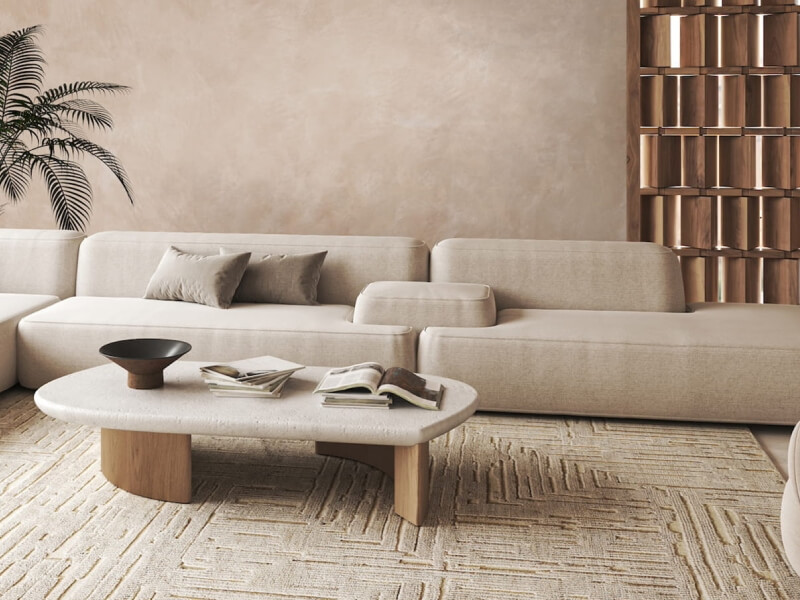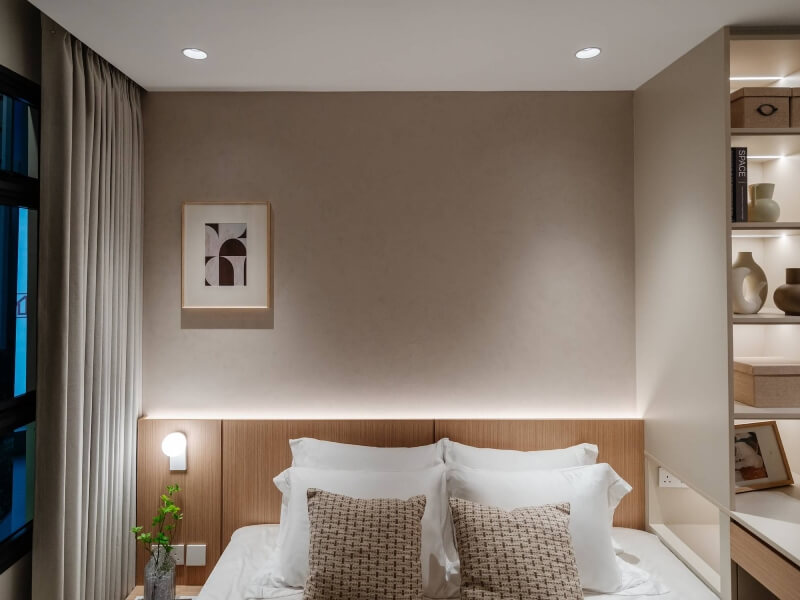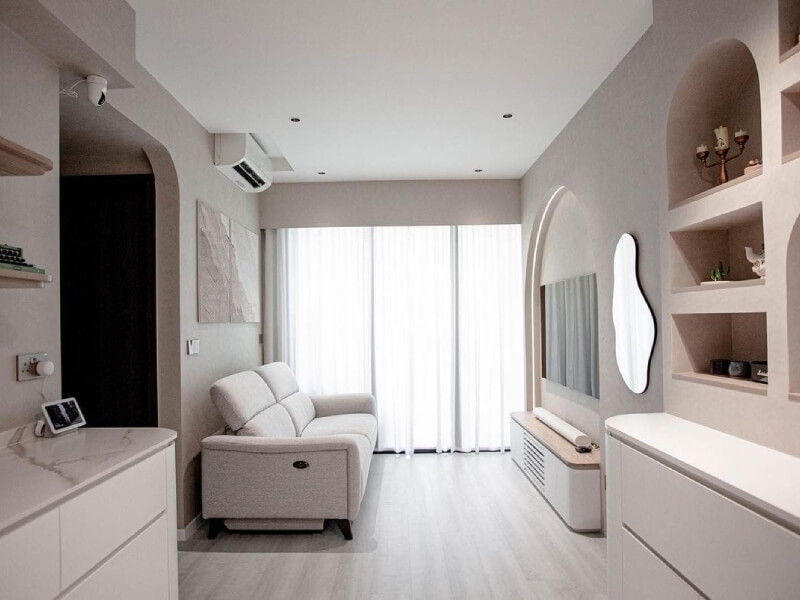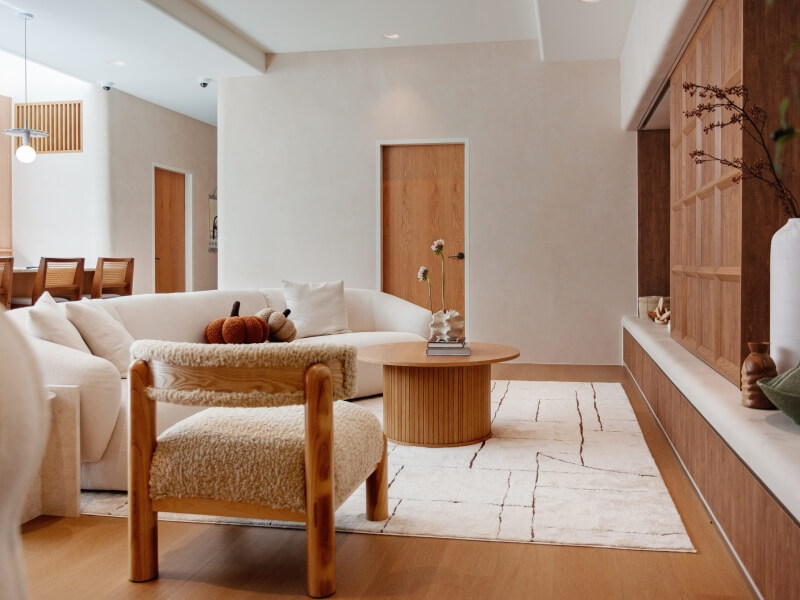
Limewash vs Venetian Plaster: Which Is Right for Your Home?

Limewash vs Venetian Plaster: Which Is Right for Your Home?

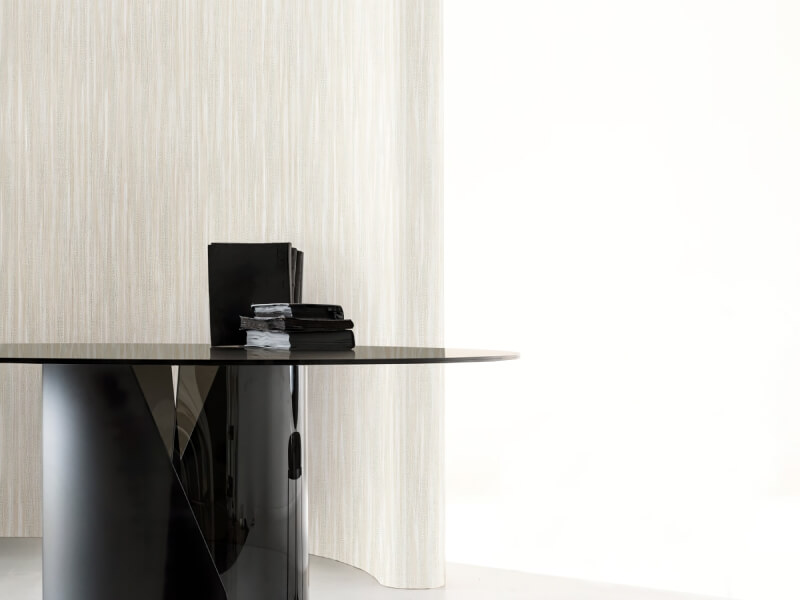
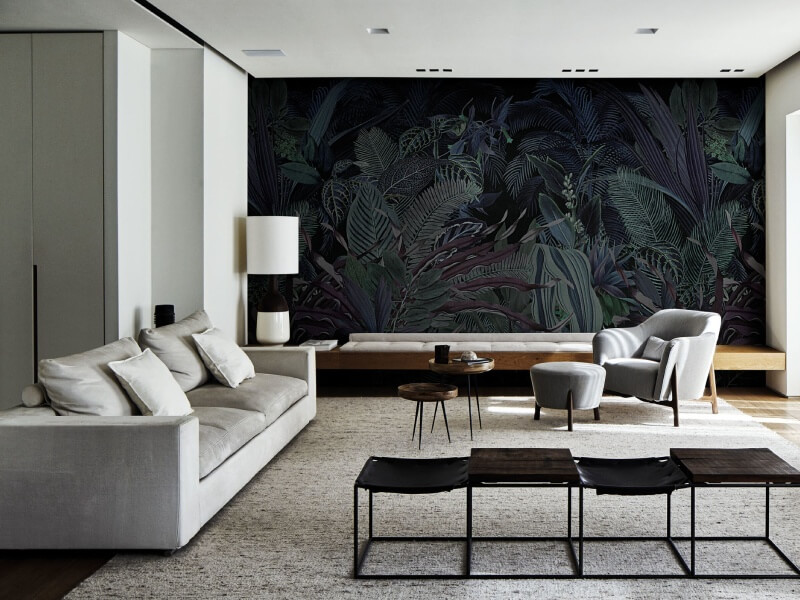
There’s something about textured walls that makes a space feel considered. Not just painted, but finished. And if you’ve been exploring wall treatment options lately, chances are you’ve come across two names that keep popping up: limewash and Venetian plaster. Both are beautiful. Both are having a serious moment. But they’re quite different in character, application, and the kind of home they suit best.

Here’s a straightforward breakdown to help you decide.

What Is Limewash?

What Is Limewash?

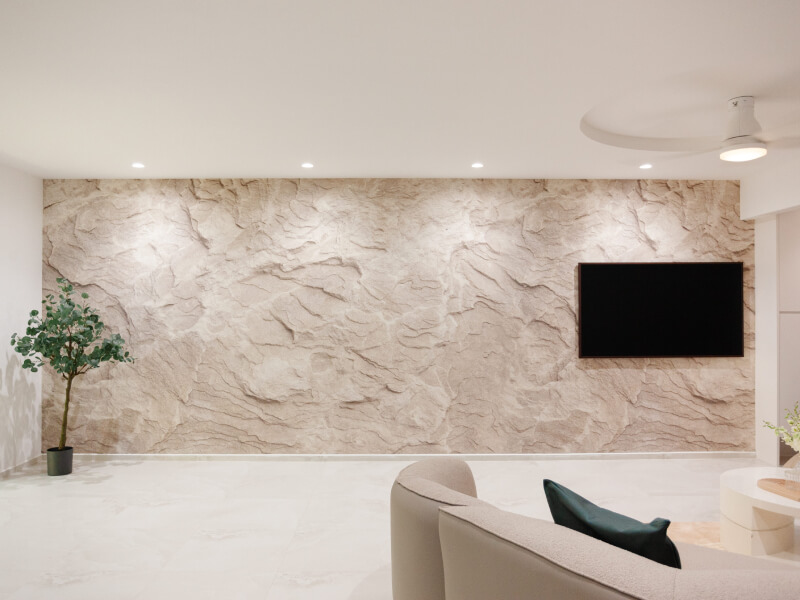
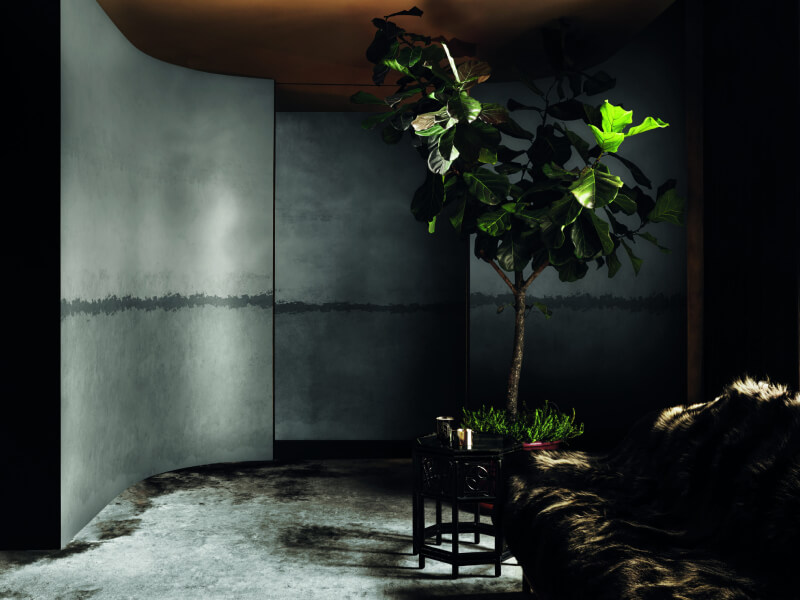
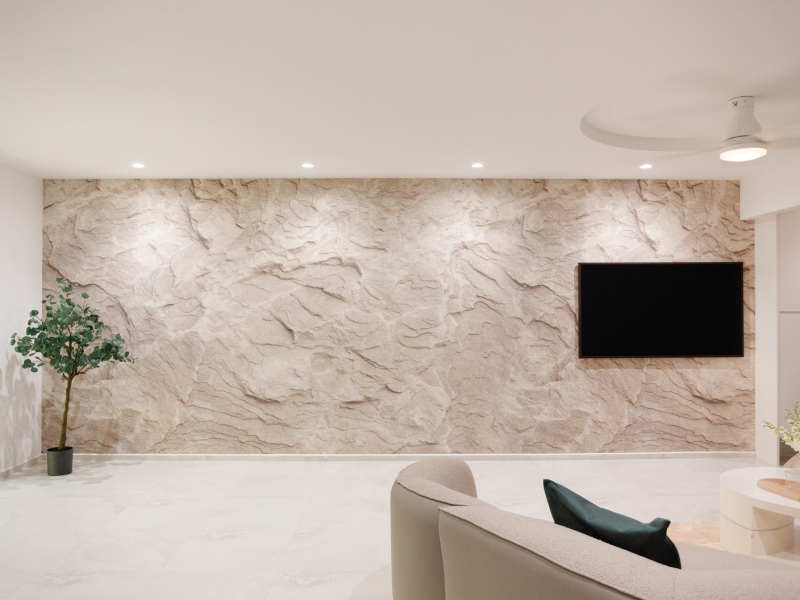
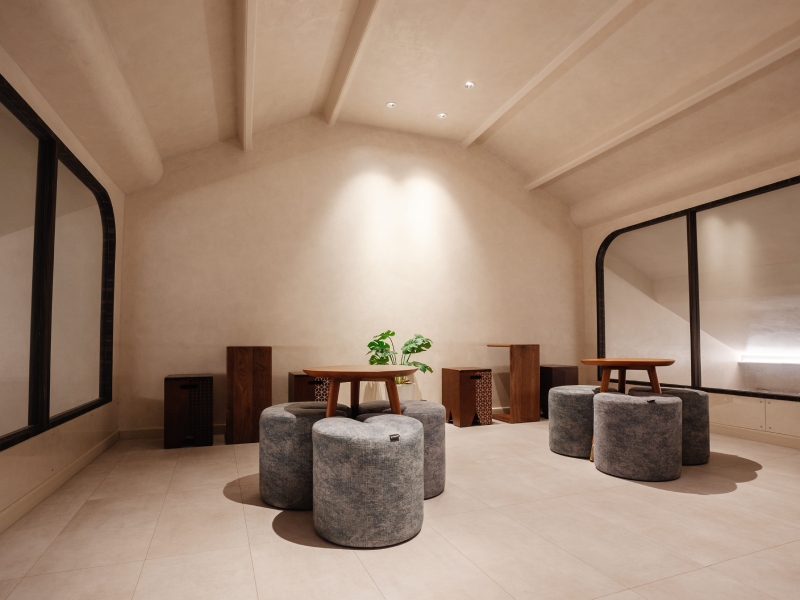
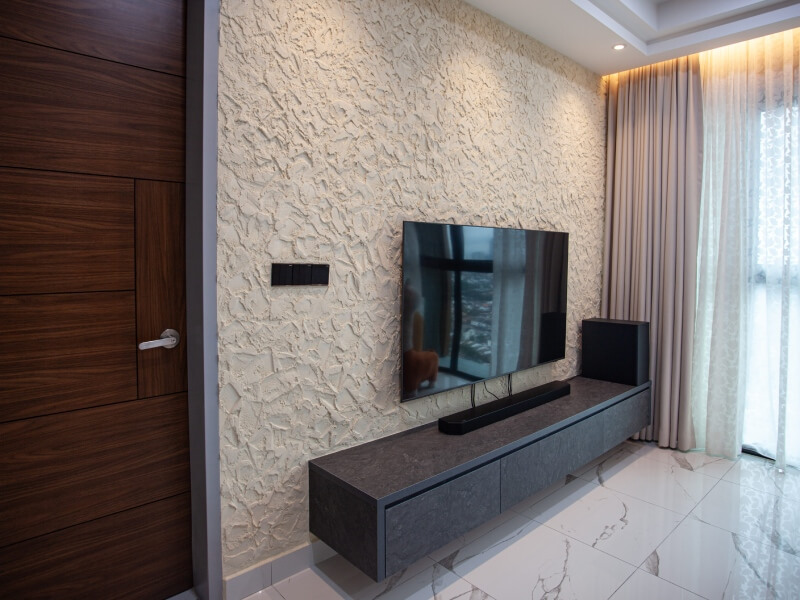
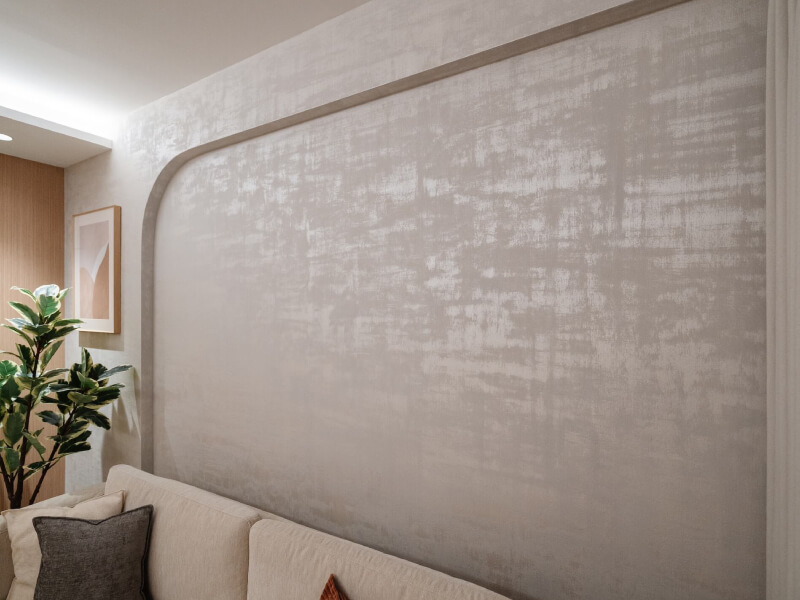
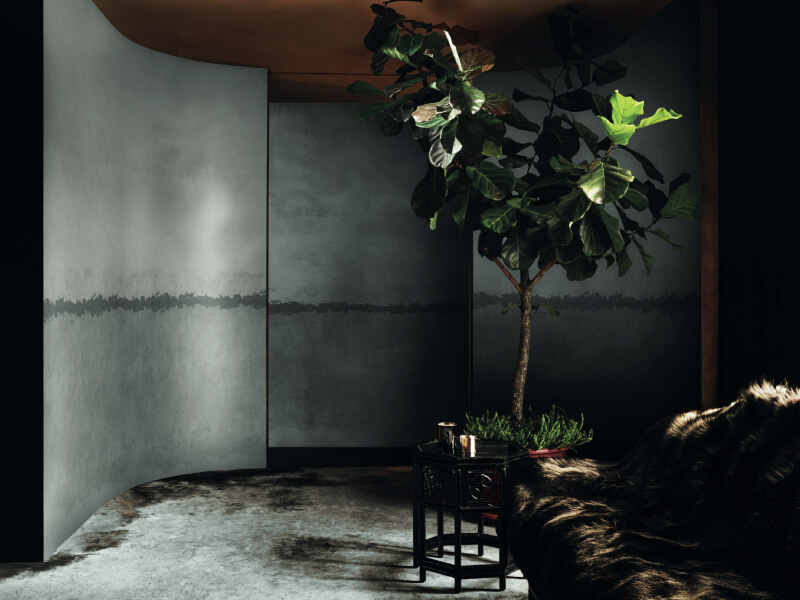
Limewash is one of the oldest wall finishes around, made from crushed limestone that’s been burned, aged, and mixed with water. The result is a chalky, matte, slightly uneven finish that looks like it belongs in a centuries-old Italian farmhouse or a light-filled Scandinavian cottage.

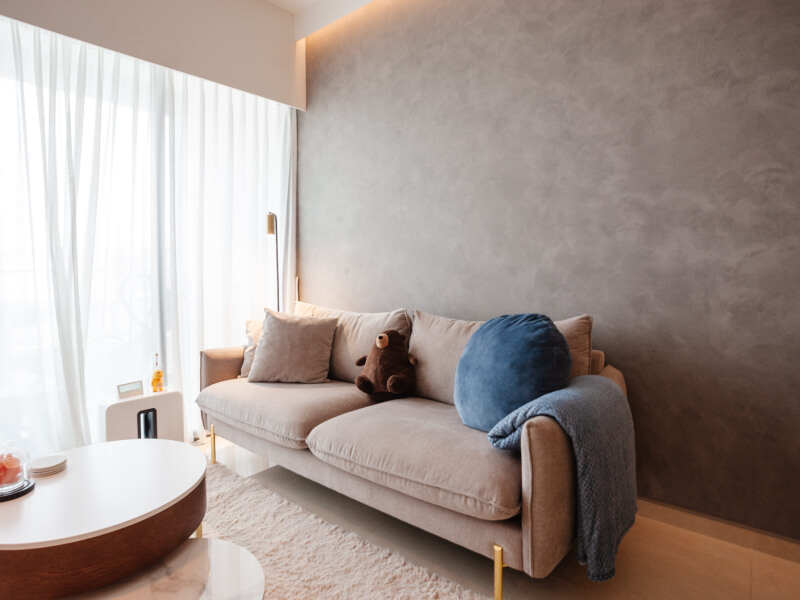
What makes limewash wall paint so appealing today is its organic, lived-in quality. It doesn’t try to look perfect, and that’s precisely the point. The colour appears to shift slightly depending on the light, giving walls a soft depth that flat emulsion simply can’t replicate. It works beautifully for minimalistic homes where the texture itself becomes the feature, without adding visual clutter.

Because it’s applied in thin, translucent layers, limewash creates variation naturally. No two walls look exactly the same, which is either a selling point or a concern depending on how much you like consistency.

Limewash works well if you:

  • Love a relaxed, rustic, or earthy aesthetic
  • Want something that looks effortlessly aged
  • Prefer matte finishes over sheen
  • Are working with plaster, brick, or masonry walls

What Is Venetian Plaster?

What Is Venetian Plaster?

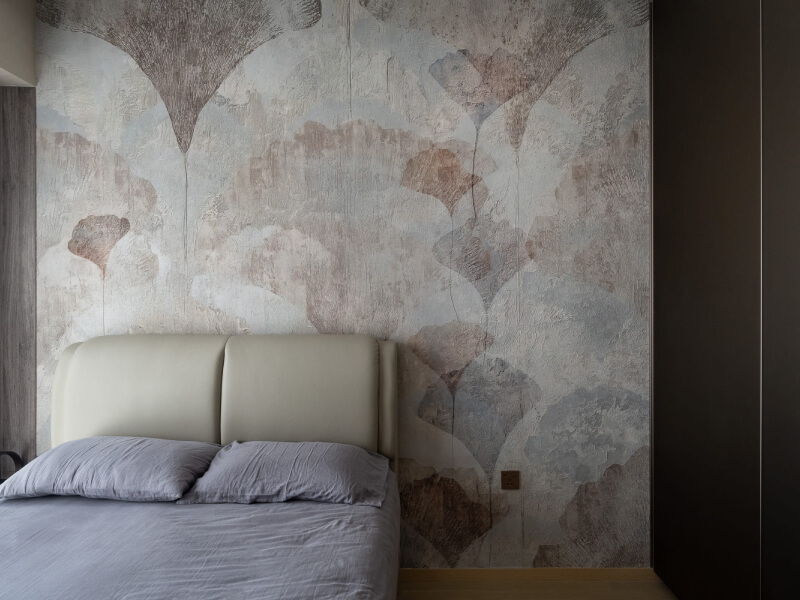
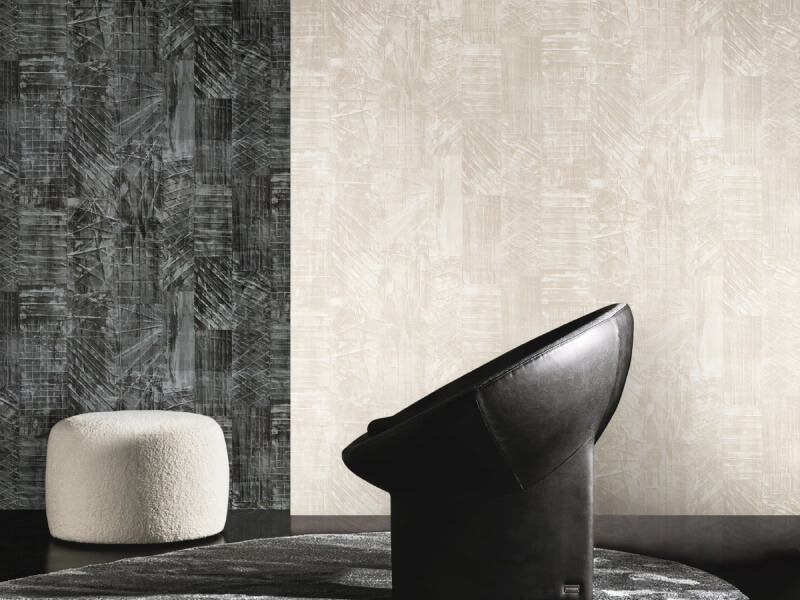
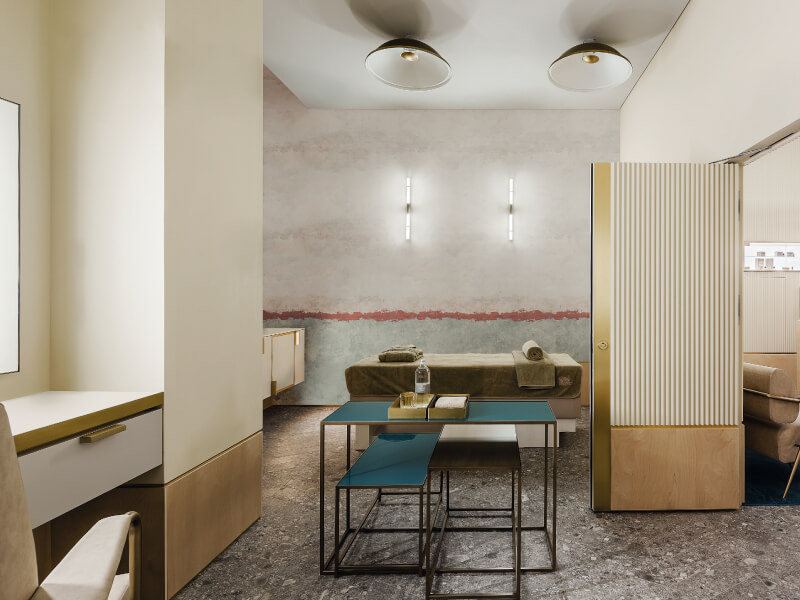
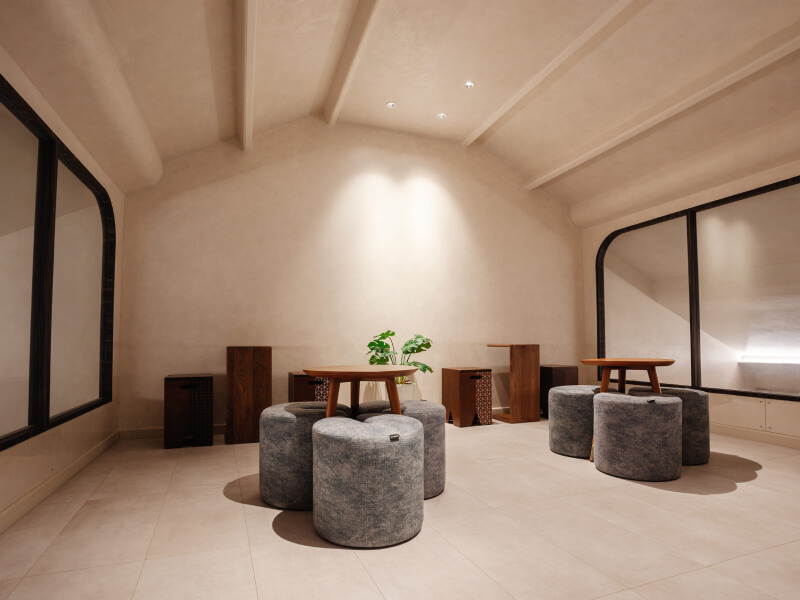
Venetian plaster has a more polished personality. Originating in Venice (as the name suggests), this finish is made from slaked lime mixed with marble dust. It’s applied in multiple thin layers and then burnished to create a smooth, luminous surface with depth and subtle movement.

The finish can range from a soft, satiny sheen to something almost stone-like in appearance. When done well, Venetian plaster looks luxurious. It catches light in a way that painted walls don’t, and it gives a room a sense of richness without relying on heavy furniture or ornate detailing.

Unlike limewash, Venetian plaster rewards precision. The application process is more technical, requiring skill to layer and burnish correctly. But the result is a wall that genuinely looks like it belongs in a high-end hotel or a beautifully designed home.

Venetian plaster works well if you:

  • Prefer a polished, refined look
  • Want to add depth and a tactile quality to walls
  • Like a finish that reads as elegant rather than rustic
  • Are willing to invest in professional application

How Do They Compare?

Here’s a quick side-by-side to make things clearer:

Limewash Venetian Plaster
Finish Matte, chalky, uneven Smooth, burnished, luminous
Aesthetic Rustic, earthy, organic Refined, luxurious, architectural
Application Brush-applied, more forgiving Trowel-applied, requires skill
Durability Good, breathable Excellent, hard-wearing
Best on Plaster, brick, masonry Plaster, drywalled surfaces
Cost Generally more affordable Higher cost due to skill required

Durability and Maintenance

Both finishes are more durable than standard wall paint, but in different ways.

Limewash is breathable, which makes it particularly good for older homes with solid walls. It allows moisture to pass through rather than trapping it, which helps prevent damp problems. It can chip or wear in high-traffic areas over time, but this often adds to the charm rather than looking like damage. Touch-ups are easy because the finish is naturally imperfect.

Venetian plaster, once fully cured, creates a very hard surface. It’s resistant to moisture and can even be waxed for additional protection, making it suitable for bathrooms and kitchens when sealed properly. Because the surface is smoother, scuffs are more noticeable, but it’s less likely to chip in the same way limewash might.

Which Rooms Suit Each Finish?

Which Rooms Suit Each Finish?

This matters more than people often realise. The right finish in the wrong room can feel slightly off, even if you can’t immediately explain why.

Limewash is particularly at home in:

  • Living rooms and bedrooms, where you want warmth and texture
  • Feature walls that benefit from visual softness
  • Older or period properties where it complements the architecture
  • Spaces with natural materials like wood, linen, and stone

Venetian plaster shines in:

  • Dining rooms and entrance halls, where you want to make an impression
  • Bathrooms, especially when sealed
  • Modern or contemporary interiors that want a sense of luxury
  • Spaces where lighting is considered, as the sheen responds beautifully to it

The Honest Truth About DIY

Limewash is one of the more forgiving wall finishes to apply yourself. The brush application is intentionally uneven, so minor mistakes blend in rather than standing out. With the right preparation and a bit of patience, a competent DIYer can achieve a great result.

Venetian plaster is a different story. While there are DIY kits available, achieving a truly polished finish takes practice and technique. Applied badly, it can look patchy and uneven in ways that aren’t attractive. If you’re investing in Venetian plaster, it’s generally worth bringing in someone who knows what they’re doing.

So, Which One Should You Choose?

So, Which One Should You Choose?

If you’re drawn to something warm, textured, and a little unpredictable, limewash is likely your answer. It suits homes that feel curated without being fussy, and it ages gracefully.

If you want something more refined and polished, with a finish that reads as genuinely luxurious, Venetian plaster is worth the investment.

Both are far more interesting than standard paint, and both have the ability to completely transform how a room feels.

Ready to Transform Your Walls?

Still not sure which finish is right for your space? That’s exactly where Wallhub comes in. Whether you’re drawn to the rustic warmth of limewash or the polished elegance of Venetian plaster, the Wallhub team can help you find the perfect finish for your home, and ensure it’s applied beautifully. Explore Wallhub’s wall treatment services today and take the guesswork out of getting your walls right.

Best Wallpapers for HDB Flats: Maximising Space and Style

Best Wallpapers for HDB Flats: Maximising Space and Style

Decorating an HDB flat comes with its own unique set of challenges. The rooms tend to be compact, the layouts are often fixed, and you want every design choice to work hard for you, whether that means making a space feel bigger, brighter, or simply more like home. It is a balancing act that many Singaporean homeowners know all too well.

The good news is that wallpaper has quietly become one of the most effective tools for transforming a flat without a full renovation. Wallpaper in Singapore has grown enormously in popularity over the past few years, and it is easy to see why. With the right pattern, texture, or colour, a single accent wall can completely shift the feel of a room, adding depth, personality, and visual interest in a way that paint alone rarely achieves.

Why Wallpaper Works So Well in HDB Flats

Why Wallpaper Works So Well in HDB Flats

HDB flats are functional by design, but that does not mean they have to feel clinical or boxy. Wallpaper gives you the flexibility to introduce character into a space without committing to major structural changes. It is also far more forgiving than most people expect. Modern wallpapers are designed to be removable, washable, and long-lasting, which makes them a practical choice for rental flats or for homeowners who like to refresh their interiors every few years.

Beyond aesthetics, wallpaper is genuinely useful in small spaces. Vertical stripes draw the eye upward, making ceilings feel higher. Large-scale prints can paradoxically open up a room rather than overwhelm it. Textured wallpapers add warmth and dimension without taking up physical space. These are not just design theories; they are tricks that interior stylists have used for decades to make compact rooms feel more generous.

Choosing the Right Style for Each Room

Choosing the Right Style for Each Room

Not all wallpapers are created equal, and the right choice depends heavily on the room you are working with.

Living Room

The living room is often the first space guests see, so it is worth making an impression. A feature wall behind the sofa or television unit is the most popular approach in HDB flats, and for good reason. It creates a focal point without overwhelming the entire space.

For smaller living rooms, consider:

  • Soft geometric patterns in neutral tones, which add interest without visual noise
  • Botanical or nature-inspired prints, which bring a sense of the outdoors in
  • Subtle textured wallpapers in linen or grasscloth finishes, which add depth and warmth
  • Light-coloured murals or abstract designs, which can make a wall feel like a piece of art

Avoid very dark or heavily saturated wallpapers across all four walls, as they can make an already compact room feel enclosed. One statement wall is usually enough.

Bedroom

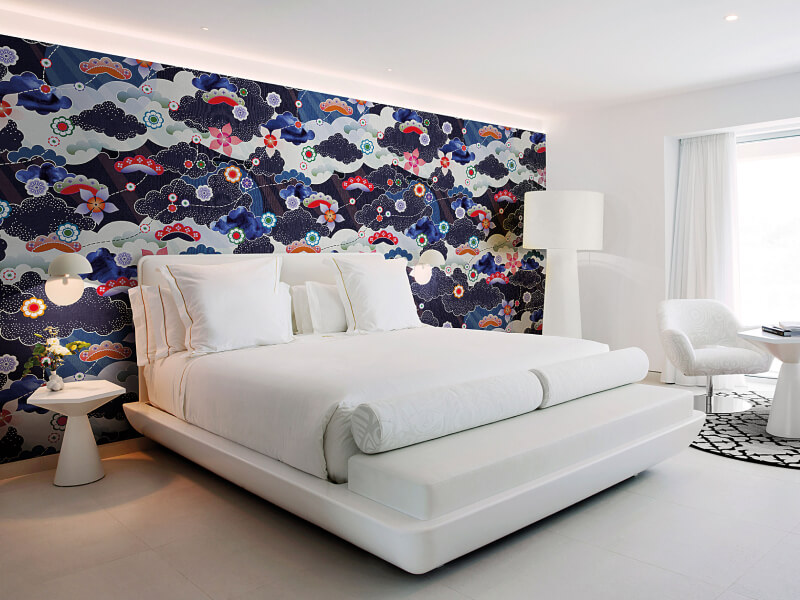
The bedroom is where you have the most freedom to be expressive, since it is a personal space rather than a communal one. Many HDB homeowners opt for a wallpapered headboard wall, which anchors the bed and gives the room a polished, hotel-like quality.

Calming tones work best here: soft blues, warm greiges, sage greens, and blush pinks all photograph beautifully and tend to age well. If you prefer something bolder, a dark floral or moody abstract print on just the headboard wall can feel dramatic without being oppressive.

Children’s Room

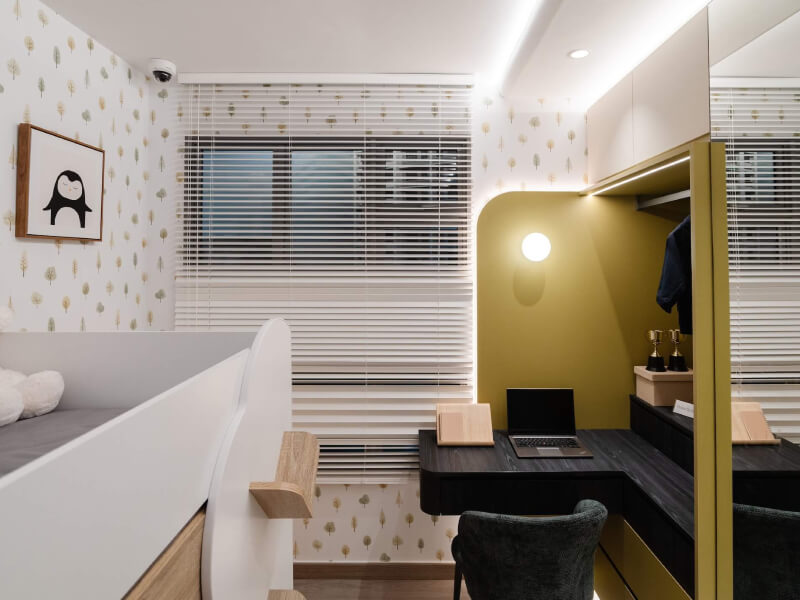
Children’s rooms are a great place to have fun with wallpaper, knowing that tastes will change as they grow. Stick to wallpapers that are easy to clean and, ideally, removable. Playful patterns, illustrated animals, or softly coloured geometric designs are all popular choices that can grow with a child for several years before needing a refresh.

Study or Home Office

A dedicated study or home office benefits from a wallpapered wall that signals focus and intention. Darker, richer tones like forest green, navy, or terracotta work well in this context. They create a cosy, library-like atmosphere that is also surprisingly good on video calls.

Practical Tips Before You Buy

Practical Tips Before You Buy

Before committing to any wallpaper, there are a few things worth considering to avoid common mistakes.

Get your measurements right. HDB rooms are small, but even a slight miscalculation can leave you short of material. Always buy a little more than you think you need, as dye lots can vary between print runs.

Consider the light in your flat. North-facing rooms tend to be cooler and dimmer, so warmer-toned wallpapers can help balance this out. South-facing rooms get plenty of light, which means you have more flexibility with colour.

Think about the finish. Matte wallpapers have a more natural, understated look, while vinyl-coated options are easier to wipe down. This matters particularly if you are thinking about wallpaper in kitchens and bathrooms, where moisture and splashes are a daily reality.

Test before you commit. Many wallpaper suppliers offer sample swatches. Stick a sample on your wall and live with it for a day or two before placing a full order. The difference between how a pattern looks on a screen and how it looks in your actual space can be significant.

Pairing Wallpaper with the Rest of Your Interior

Pairing Wallpaper with the Rest of Your Interior

Wallpaper rarely exists in isolation. For it to look considered rather than accidental, it needs to work alongside your flooring, furniture, and soft furnishings. A general rule of thumb: if your wallpaper is busy, keep your furniture and textiles simple. If your wallpaper is understated, you have more freedom to layer in bolder accessories.

Wood tones are a reliable companion to almost any wallpaper. The warm, natural texture of timber furniture or flooring grounds even the most graphic prints and prevents a space from feeling flat. Similarly, plants, rattan, and linen fabrics all pair well with nature-inspired wallpaper designs, which tend to be popular in HDB flats precisely because they make small spaces feel more alive.

Finding the Right Wallpaper for Your Home

Choosing wallpaper for an HDB flat does not have to be complicated, but it does reward a little thought. Start with the room you want to transform most, identify the one wall that would benefit most from a focal point, and work outward from there. The right wallpaper will not just change how your flat looks; it will change how it feels to live in.

If you are ready to explore your options, Wallhub is a great place to start. With a wide range of wallpapers suited to different aesthetics, budgets, and room types, our team can help you find something that genuinely works for your space. Visit Wallhub to browse our collection or get in touch for personalised advice.

How Wallpaper Patterns Can Influence Mood: From Calming to Energising

How Wallpaper Patterns Can Influence Mood: From Calming to Energising

Have you ever experienced walking into a room and immediately feeling something? Perhaps it’s calm and soothing. Maybe it feels lively and energising. Occasionally, it might even make you uneasy without a clear reason why. While lighting, furniture, and layout all contribute to a room’s atmosphere, another element shapes our emotional response: the patterns on the walls.

In recent years, researchers and designers have become increasingly interested in how visual environments affect the human mind. One field exploring this connection is neuroaesthetics, which studies how aesthetic experiences influence brain activity, emotions, and behaviour. It blends insights from neuroscience, psychology, and art to understand why certain designs make us feel relaxed, focused, or inspired.

Wallpaper, often chosen purely for decorative reasons, is actually part of this psychological landscape. The colours, patterns, and textures covering your walls may subtly shape how your brain processes the space around you. Hence, if you’ve been browsing for wallpaper in Singapore recently, it is worth understanding how these visual elements might influence your mood.

Visual Elements In Wallpaper Influence Mood

How Visual Stimuli Affect the Brain

Humans are highly visual creatures. A large portion of the information our brains process each day comes from what we see. Because of this, our surroundings constantly send signals to our brain, even when we are not consciously paying attention. When you look at a patterned wall, the visual information first travels through the optic nerve to the brain’s visual cortex. This area processes basic features such as colour, contrast, shape, and movement. However, the journey does not stop there.

Other areas of the brain become involved almost immediately. The limbic system, which helps regulate emotion, responds to visual cues that signal comfort, safety, or excitement. Meanwhile, the prefrontal cortex—the region responsible for planning and decision-making—interprets patterns and structure in ways that influence focus and cognitive clarity.

Even the motor cortex may become subtly activated when our environment encourages alertness or readiness to act. In other words, our brain does not simply “look” at a wall. It interprets it emotionally, cognitively, and sometimes even physically.

This is why interior design choices can have a deeper psychological impact than we often realise. A calm, orderly space may promote relaxation, while a visually chaotic one might trigger mild stress or distraction.

The Role of Emotional Memory and Personal Associations

While certain patterns and colours tend to evoke similar reactions in many people, individual experiences still play a major role in how we interpret visual environments. Our emotional memory, which is closely linked to the amygdala, influences how we respond to particular colours or designs. For instance, a warm yellow wall might remind someone of a cheerful childhood kitchen, creating a comforting feeling. For another person, that same shade could feel overwhelming or even irritating.

Cultural influences also shape aesthetic preferences. Patterns that appear elegant or traditional in one culture may feel unfamiliar or intense in another. Personal taste, upbringing, and past experiences all interact with the brain’s processing of visual stimuli.

Because of this, the most effective design choices often depend on how well a space aligns with its intended function and the emotions it is meant to evoke. A calming bedroom environment, for example, may benefit from soft, gentle patterns, while a creative workspace might thrive with more stimulating visuals.

The Role of Emotional Memory and Personal Associations

Why Patterns and Textures Influence Mood

When people think about wallpaper, colour is usually the first feature that comes to mind. Yet pattern and texture can be just as influential when it comes to shaping our perception of a room.

Patterns introduce rhythm and repetition into a space. The brain naturally looks for structure and predictability, which is why certain repeating designs can feel organised and reassuring. Symmetrical patterns often create a sense of balance because they are easy for the brain to interpret.

In contrast, irregular or organic patterns can spark curiosity. Because they contain more variation, they encourage the brain to explore and interpret the design more actively. This can be stimulating, particularly in environments where creativity is encouraged.

Contrast also plays an important role. Designs with strong colour contrasts may increase alertness, but they can also become visually tiring if used extensively. Over time, too much contrast can make it difficult for the brain to maintain focus.

The Impact of Pattern Scale

Beyond the type of pattern, scale can significantly affect the mood of a room. Large patterns tend to feel dramatic and immersive. They create strong visual impact and can transform a wall into a statement feature. However, in smaller spaces, they may dominate the room and feel overwhelming.

Smaller patterns, on the other hand, are generally more subtle. They blend into the background more easily and create a gentle sense of texture rather than commanding attention. Spacing between repeating elements also matters. Tight, closely packed patterns may feel energetic and dynamic, while designs with more open space often appear calmer and more breathable.

The Role of Texture

Even when it is purely visual, texture adds another dimension to wallpaper design. Matte finishes or fabric-like textures tend to create warmth and softness, which can make a space feel more inviting. Reflective or glossy surfaces, meanwhile, may add brightness and vibrancy but sometimes introduce a cooler, more energetic atmosphere.

Because our brains respond to these subtle cues, thoughtful combinations of pattern, scale, and texture can quietly influence how comfortable or stimulating a room feels.

The Role of Texture

When Does Wallpaper Design Become Overstimulating?

While visually rich environments can be engaging, too much complexity may lead to cognitive overload. This occurs when the brain is presented with more visual information than it can easily process. Overly busy patterns, clashing colours, or dense visual textures can make it difficult for the mind to relax or concentrate. Instead of creating interest, the environment may start to feel chaotic.

Some common signs of visual overstimulation include:

  • Feeling unusually stressed in a room
  • Eye fatigue or restlessness
  • Difficulty concentrating
  • Lower productivity or mental fatigue

If you have ever walked into a room and felt subtly uncomfortable without knowing why, the visual environment (including the wallpaper) may have been contributing to that sensation.

When Does Wallpaper Design Become Overstimulating?

How Different Wallpaper Patterns Shape Mood

Although personal reactions vary, certain pattern styles tend to produce broadly similar psychological responses.

1. Geometric Patterns: Order and Mental Clarity

Geometric wallpaper featuring shapes such as hexagons, diamonds, or clean linear designs often communicates structure and organisation. Because the brain easily recognises repeating shapes, these patterns can create a sense of predictability.

In workspaces or study areas, geometric patterns may help reinforce focus and mental clarity. However, extremely sharp angles or high-contrast designs can sometimes feel rigid if used too extensively.

2. Nature-Inspired Patterns: Calm and Restoration

Patterns inspired by nature, such as leaves, vines, florals, or flowing organic shapes—often promote relaxation. This reaction may be linked to biophilic design, a concept suggesting that humans feel more comfortable when surrounded by elements reminiscent of the natural world.

Soft botanical patterns can create a tranquil environment, making them particularly suitable for bedrooms, lounges, and reading spaces.

3. Abstract Patterns: Energy and Creativity

Abstract wallpaper designs break away from predictable structure. With irregular shapes, flowing lines, and unexpected colour combinations, they encourage curiosity and imaginative thinking.

These designs often work well in creative environments such as art studios, cafés, or collaborative workspaces. However, moderation is key, as overly chaotic designs can feel distracting rather than inspiring.

4. Minimalist Patterns: Subtle Calm

Minimalist patterns take a different approach by keeping visual complexity low. Gentle stripes, faint motifs, or lightly textured surfaces add depth without overwhelming the senses.

These understated designs for meditation and mindfulness are especially useful in smaller rooms where bold patterns might feel cramped. By reducing visual noise, minimalist wallpaper allows the brain to relax while still maintaining visual interest.

Choosing Wallpaper Based on Room Function

Since wallpaper influences emotional tone, selecting the right pattern often depends on how a room is used.

  • Bedrooms:
    Spaces dedicated to rest benefit from soothing visuals. Soft florals, flowing patterns, or muted geometric designs can create a peaceful atmosphere that encourages relaxation and better sleep.
  • Living Rooms:
    Living rooms often serve as multifunctional areas for conversation, entertainment, and relaxation. Balanced patterns—neither too bold nor too subtle—can provide character without overwhelming the space.
  • Home Offices:
    Workspaces typically require visual clarity and minimal distraction. Subtle geometric patterns or light textures can add personality while still supporting concentration.
  • Creative Areas:
    Rooms dedicated to hobbies, brainstorming, or artistic work can accommodate more expressive designs. Bold patterns and abstract styles may help stimulate imagination and fresh ideas.

Choosing Wallpaper Based on Room Function

Conclusion

The spaces we inhabit communicate with our minds in discreet but impactful ways. Walls are often treated as simple backdrops, yet they constantly influence how we feel, think, and behave throughout the day. Thus, wallpaper patterns, colours, and textures do more than decorate a room; they shape its emotional atmosphere. From calming botanical designs to energising abstract motifs, each pattern carries subtle psychological signals that our brains interpret automatically.

Understanding how these visual elements interact with our cognitive and emotional responses allows homeowners to make more intentional design choices. The result is not just a more beautiful interior, but a space that supports the mood, focus, and wellbeing we want to cultivate every day.

Creative Ways to Mix Wallpapers and Paint Without Clashing

Creative Ways to Mix Wallpapers and Paint Without Clashing

Homeowners planning to refresh their interiors often assume they must choose between wallpaper or paint when updating their walls. For years, the common rule was to pick one and commit to it. However, modern interior design trends are increasingly proving that you don’t actually have to make that choice anymore.

Today, more homeowners and designers are experimenting with both finishes in the same space. When one combines wallpaper and paint, they can craft more striking accent walls, add subtle texture, and create interiors that feel thoughtfully layered rather than flat or predictable. When done well, the result is a space that feels cohesive, polished, and uniquely personal.

Of course, mixing two different wall treatments can feel intimidating at first. Without careful planning, the room may end up looking cluttered or mismatched. The good news is that with a few design principles in mind, it’s surprisingly easy to blend wallpaper and paint in a way that feels harmonious and intentional. In this guide, we’ll explore why this design approach works so well and share creative techniques to combine wallpaper and paint without overwhelming your space.

Combine Wallpaper And Paint Without Overwhelming Your Space

Why Combine Wallpapers and Paint in Interior Décor?

At its simplest, the answer is because the results can look stunning when executed thoughtfully. Mixing wallpaper and paint introduces visual variety while allowing you to highlight architectural features or create focal points within a room. Wallpaper brings pattern, texture, and personality to a space. Paint, meanwhile, offers flexibility and a wide range of finishes that help balance more detailed surfaces. Together, they create a layered design that feels dynamic without being chaotic.

Another major reason designers favour this technique is practicality. High-quality wallpaper can be expensive, especially when used on every wall in a room. Pairing wallpaper with painted surfaces allows homeowners to enjoy the richness of patterned walls while keeping renovation costs manageable. This combination also adds dimension. Imagine a tactile, embossed wallpaper paired with a smooth matte wall finish. The contrast between textures draws the eye and makes the room feel more visually engaging. This effect works particularly well in modern, Scandinavian, and contemporary interiors.

To maintain cohesion, many designers rely on colour harmony. One approach is to choose shades from the same colour family. For instance, a wallpaper featuring dusty blues and soft greys could be paired with a coordinating blue-grey paint. Another strategy is to create contrast by choosing colours opposite each other on the colour wheel, which can energise the room without feeling overwhelming.

Paint finishes can further enhance the look. Matte or mineral finishes such as limewash paint can soften the transition between surfaces and introduce subtle texture that complements patterned wallpaper. Lastly, the combination offers flexibility for future updates. Repainting walls is relatively simple compared to replacing wallpaper. If your tastes evolve over time, you can refresh the painted portions of the room while keeping the wallpaper as a design anchor.

Limewash Paint For The Transition Between Surfaces

How to Pick a Good Paint Colour and Wallpaper Pairing

Successfully combining wallpaper and paint largely depends on selecting colours and patterns that work well together. These tips can help simplify the process.

1. Pick Your Wallpaper First

Wallpaper usually contains multiple design elements—patterns, textures, and several colours. Because of this complexity, it’s far easier to choose a paint shade after you’ve selected your wallpaper. Once you find a wallpaper design you love, study its colour palette carefully. Many wallpapers include a background colour alongside accent tones. Pulling one of these shades into the surrounding paint creates an effortless sense of harmony.

For example, if your wallpaper features cream florals on a muted green background, using that same soft green as your paint colour helps tie the room together.

2. Always Buy Samples

Even if colours appear perfect online or in-store, they may look completely different in your home’s lighting. Sunlight, artificial lighting, and even the colour of nearby furniture can influence how shades appear.

Purchase small wallpaper samples and paint swatches before committing. Tape the samples to the wall and observe them at different times of the day. This simple step prevents costly mistakes and ensures the colours truly complement one another.

3. Consider Pattern Scale

Not all wallpaper patterns behave the same way in a room. Large, dramatic prints tend to dominate a space, while smaller patterns create subtle texture.

If you’ve chosen a bold wallpaper design, it’s best to pair it with a calm, understated paint colour so the room doesn’t feel overwhelming. On the other hand, delicate patterns often benefit from slightly richer paint tones to give the room visual balance.

4. Pay Attention to Undertones

Two colours might appear similar but still clash if their undertones differ. For instance, a grey paint with warm beige undertones may not pair well with a cool-toned blue wallpaper.

To avoid this issue, compare paint swatches directly with the wallpaper sample. Look for shared undertones, either warm or cool, to maintain a cohesive look throughout the room.

Pay Attention To Undertones

Popular Ways to Mix and Match Wallpaper and Paint

Once you’ve selected your colours, the next step is deciding how to arrange the two finishes within the space. These design approaches are among the most popular for achieving a balanced result.

1. Wallpaper Accent Wall with Painted Walls

One of the simplest and most widely used techniques is creating a wallpaper accent wall. This involves applying wallpaper to a single focal wall while painting the remaining walls in a coordinating shade. The wallpaper draws attention and acts as the centrepiece of the room, while the painted walls provide visual breathing room.

Bedrooms often place the accent wall behind the bed, while living rooms might highlight the wall behind a sofa or entertainment unit. Because only one wall is covered in wallpaper, this approach keeps the room from feeling visually crowded.

2. Half-and-Half Walls

Another stylish option is splitting the wall horizontally between wallpaper and paint. This design resembles traditional wainscoting but with a contemporary twist.

In most cases, wallpaper is applied to the lower half of the wall, while paint covers the upper portion. This arrangement allows you to showcase bold patterns without overwhelming the space. Choosing the right height for the transition line is important. Many designers place the dividing point roughly halfway up the wall or slightly higher, depending on ceiling height and furniture placement.

The lower wallpaper section can help anchor furniture pieces like beds, sideboards, or sofas, while the painted section keeps the room feeling light and open.

3. Create an Ombre Effect

An ombre wall gradually shifts from darker shades to lighter ones, creating a dramatic yet fluid colour transition. Combining wallpaper and paint makes this effect easier to achieve. Start by selecting two or three colours that blend naturally together. Wallpaper featuring gradient tones or abstract patterns works particularly well for this concept.

Once the wallpaper is installed, you can extend the gradient using paint. Begin with the darkest shade near the top of the wall and gradually introduce lighter tones as you move downward. Feather the edges between colours so the transitions appear soft rather than abrupt. This technique works beautifully in creative spaces, bedrooms, or feature walls where you want to make a bold statement.

4. Monochrome Pairing

For a calmer and more refined look, consider using wallpaper and paint within the same colour family. This monochrome approach creates subtle variation without introducing competing hues. For example, a navy wallpaper could be paired with softer sky-blue paint, or a sage patterned wallpaper could sit alongside pale green walls.

Because the colours are closely related, the room feels cohesive and relaxing. The wallpaper provides interest through pattern, while the paint keeps the overall aesthetic balanced. Minimalist interiors often use this method to add dimension without disrupting a serene atmosphere.

5. Painting Designs Over Wallpaper

If you enjoy creative projects, painting over wallpaper can produce truly unique accent walls. Textured or embossed wallpaper works especially well for this technique because raised patterns catch light and shadow once painted. Damask, geometric, or floral textures are excellent candidates.

Before painting, apply a high-quality primer to ensure proper adhesion. Once dry, use painter’s tape to protect edges or sections you want to keep untouched. Then, carefully paint over the wallpaper using brushes or small rollers, following the raised patterns where possible. A contrasting paint colour will highlight the design details, while a similar shade will create a more subtle effect.

With patience and attention to detail, this method can transform ordinary wallpaper into customised wall art.

A Simple Trick for Seamless Transitions

For a more designer-inspired finish, consider extending the wallpaper slightly onto adjacent walls, usually around 18 to 24 inches. The remaining wall space can then be painted in a coordinating colour.

This small overlap creates a softer visual transition between surfaces and gives the impression that the wallpaper extends further through the room. It’s a clever way to add visual depth while still keeping costs manageable. Another advantage of this technique is that it guides the viewer’s eye around the room, making the overall design feel intentional rather than segmented.

A Simple Trick For Seamless Transitions

Conclusion

Mixing wallpaper and paint opens up exciting possibilities for personalising your home’s interior. Instead of viewing the two materials as competing options, think of them as complementary tools that work together to create balance, texture, and visual interest. Regardless of how you want to go about it, the key lies in thoughtful colour selection and strategic placement.

When it’s time to apply everything, remember that order matters. It’s usually best to paint the walls first and install wallpaper afterwards. Painting first makes the process cleaner and allows you to easily correct any mistakes before the wallpaper goes up. If the wallpaper doesn’t reach the ceiling or floor, the painted surface naturally frames it, helping the feature wall stand out even more. With a little experimentation and planning, you can discover the perfect balance between pattern and colour, resulting in a home that feels stylish, welcoming, and distinctly your own.

How to Pair Fluted Panels With Minimalist Furniture

How to Pair Fluted Panels With Minimalist Furniture

Minimalist interiors are loved for their calm, uncluttered look. Clean lines, simple forms and neutral palettes help create spaces that feel organised and relaxing. Yet many minimalist rooms can sometimes feel a little flat or lacking in personality. That is where fluted panels come in.

Fluted panels introduce texture and rhythm to a space without disrupting the simplicity that defines minimalist design. When paired thoughtfully with minimalist furniture, they create interiors that feel warm, refined and visually balanced.

Understanding how to combine these two elements allows you to add depth to a room while keeping the overall aesthetic clean and modern.

Why Fluted Panels Work So Well With Minimalism

Minimalism focuses on removing visual noise. Furniture tends to have simple shapes, smooth surfaces and neutral colours. While this keeps the room calm, it can sometimes leave walls looking plain.

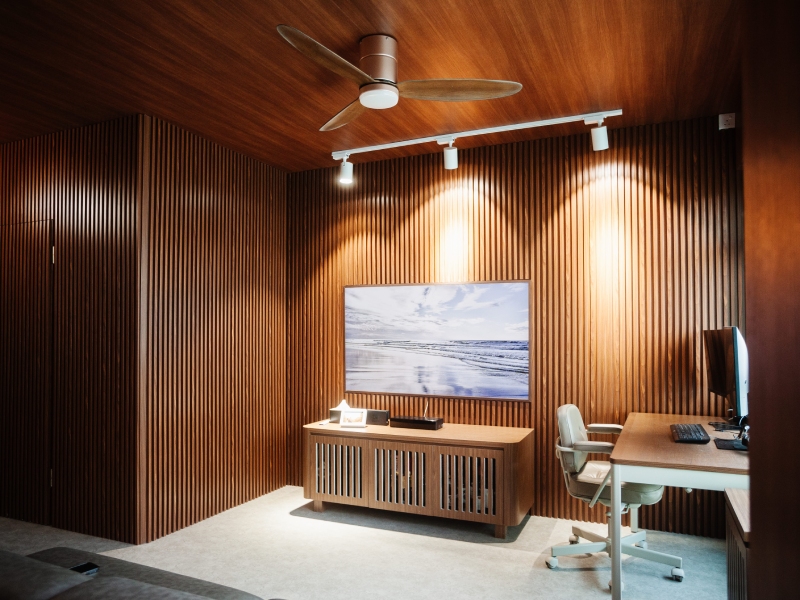
Fluted panels solve this problem by introducing subtle texture. Their vertical grooves add visual interest without overwhelming the space. Instead of relying on bold colours or decorative patterns, the design relies on light and shadow created by the grooves.

This approach aligns perfectly with minimalist principles. Rather than adding more objects, you enhance the space through thoughtful materials and surfaces.

A fluted wall panel is especially effective because it provides dimension while still maintaining a streamlined appearance. The vertical lines naturally draw the eye upward, which can also make ceilings appear taller.

Start With a Neutral Colour Palette

Colour is one of the most important elements when pairing fluted panels with minimalist furniture.

Minimalist interiors typically rely on neutral tones such as:

  • Soft white
  • Warm beige
  • Light oak
  • Sand or taupe
  • Charcoal grey

Choosing fluted panels in similar shades helps maintain harmony throughout the room.

For example, light oak panels paired with cream furniture can create a soft Scandinavian-inspired environment. Meanwhile, darker walnut panels combined with grey sofas can produce a more modern and sophisticated look.

The goal is to keep colours calm and cohesive. When the palette stays simple, the texture of the panels becomes the star of the room.

Use Fluted Panels as a Feature Wall

Use Fluted Panels As A Feature Wall

Minimalist spaces benefit from clear focal points. Instead of decorating every wall, choose one area to highlight.

A fluted panel feature wall works beautifully in spaces such as:

  • Behind the living room sofa
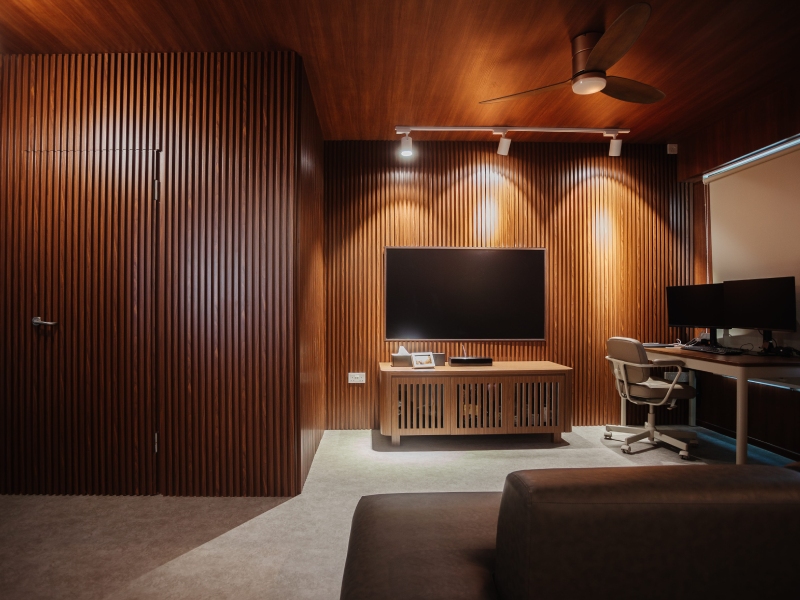
  • Behind a television console
  • At the headboard wall in a bedroom
  • Along an entryway corridor

This approach keeps the room balanced. The panels become a visual anchor while the rest of the room remains simple and uncluttered.

When done well, the space feels intentional rather than overly decorated.

Choose Furniture With Clean, Simple Lines

Minimalist furniture is defined by its clarity of form. When pairing it with fluted panels, simplicity is key.

Look for furniture that has:

  • Straight or gently curved lines
  • Slim profiles
  • Low visual weight
  • Minimal ornamentation

Pieces such as platform beds, streamlined sofas, floating consoles and simple coffee tables work especially well.

Avoid furniture that is heavily carved, bulky or overly decorative. Too many intricate details can clash with the clean vertical rhythm of the panels.

Instead, allow the panels to provide texture while the furniture provides structure.

Balance Texture With Smooth Surfaces

A room that is entirely textured can feel overwhelming. Since fluted panels already introduce depth, it helps to balance them with smoother surfaces.

Consider pairing them with materials such as:

  • Smooth marble tabletops
  • Matte cabinetry
  • Glass lighting fixtures
  • Upholstered fabric seating

This contrast creates visual balance. The grooves of the panels stand out more clearly when placed next to simple surfaces.

Minimalist design often relies on this subtle interplay between textures rather than dramatic decoration.

Keep Furniture Layouts Open and Spacious

Keep Furniture Layouts Open And Spacious

Minimalist spaces thrive on openness. Even the most beautiful feature wall can feel crowded if too much furniture fills the room.

Try to keep layouts simple and intentional. A few well-chosen pieces often work better than many smaller items.

For example, a living room might include:

  • A three-seat sofa
  • One accent chair
  • A simple coffee table
  • A slim console

With this arrangement, the fluted panel wall remains visible and becomes part of the room’s visual flow.

Allowing negative space around furniture also helps highlight architectural features like panelled walls.

Use Lighting to Highlight the Panels

Lighting plays a powerful role in how fluted panels appear.

Because the surface contains grooves, light naturally creates shadows that emphasise the texture. Proper lighting can make the panels look even more striking.

Some effective lighting ideas include:

Wall washers or LED strips
Placed above or below the panels, they create gentle shadows that highlight the grooves.

Pendant lighting
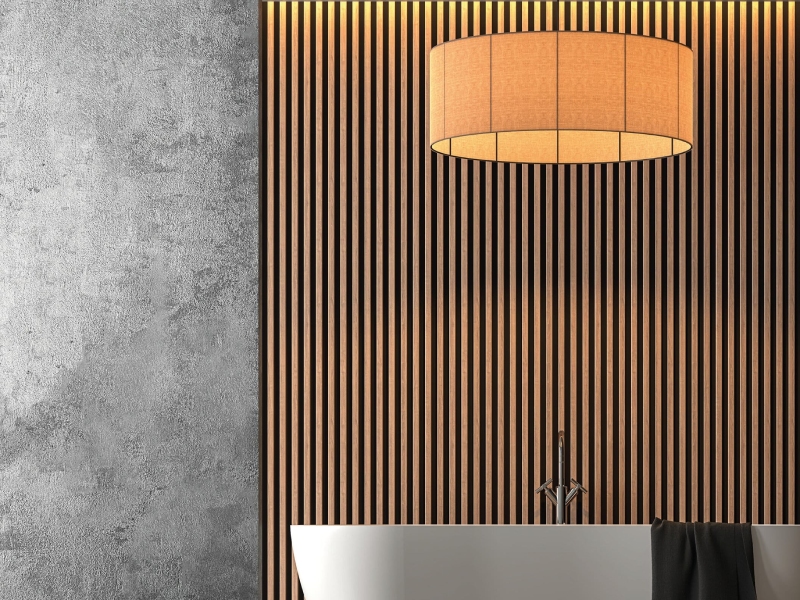
Hanging lights positioned near the panel wall can cast interesting light patterns.

Warm ambient lighting
Warm tones enhance wood panels and create a cosy atmosphere.

When lighting is used thoughtfully, the vertical lines become a subtle design feature that changes throughout the day.

Mix Natural Materials for a Warm Minimalist Look

Minimalist design does not have to feel cold. Combining fluted panels with natural materials helps create warmth and comfort.

Popular pairings include:

  • Wood panels with linen sofas
  • Oak panels with stone coffee tables
  • Walnut panels with leather chairs
  • Light timber panels with woven rugs

These combinations introduce softness while maintaining the simplicity that defines minimalist spaces.

Natural materials also age beautifully, which is why many designers say good materials never go out of style.

Avoid Overdecorating the Panel Wall

Once you install fluted panels, resist the temptation to cover them with too many decorative items.

Large artwork, shelves or cluttered decorations can interrupt the clean vertical pattern.

Instead, consider minimal accents such as:

  • A single framed artwork
  • A slim floating shelf
  • A tall indoor plant
  • A simple wall sconce

These additions maintain visual interest while allowing the texture of the panels to remain visible.

Minimalism is about restraint, and this principle applies strongly when designing around feature walls.

Apply the Look Across Different Rooms

Apply The Look Across Different Rooms

Fluted panels and minimalist furniture can work beautifully across many parts of the home.

Living Rooms
Panels behind the television or sofa create a modern focal point.

Bedrooms
Vertical panels behind the bed provide texture while keeping the space calm.

Dining Areas
Panels along a dining wall can elevate the atmosphere without overwhelming the room.

Entryways
A fluted panel wall paired with a slim console table makes a stylish first impression.

Because the design is subtle, it adapts easily to both small apartments and larger homes.

Creating a Balanced, Timeless Interior

Pairing fluted panels with minimalist furniture is about balance. The panels provide texture and architectural interest, while the furniture keeps the room functional and uncluttered.

When colours remain neutral, layouts stay open and materials are chosen thoughtfully, the result is an interior that feels calm yet visually engaging.

Rather than relying on trends or heavy decoration, the design works through proportion, texture and light. This is what makes minimalist interiors feel both modern and timeless.

If you are considering adding fluted panels to your space, choosing high-quality materials and professional guidance can make a significant difference in the final result.

Explore the range of design options available at Wallhub to find fluted panel solutions that can help you create a refined minimalist interior that feels stylish, balanced and built to last.

Waterproofing Limewash in Humid Areas Without Losing Texture

Waterproofing Limewash in Humid Areas Without Losing Texture

Soft movement across a wall. Gentle tonal shifts that change with the light. Limewash has a quiet charm that many modern homeowners love, especially in warm, humid climates where heavy finishes can feel suffocating. Yet one concern often comes up: how do you protect limewash in moisture-prone areas without ruining its beautiful, powdery texture?

Humidity is part of everyday life in places like Singapore. Bathrooms, kitchens, balconies and even air-conditioned bedrooms can experience condensation. If you are considering limewash paint in Singapore, understanding how to waterproof it properly will help you enjoy its natural look for years without compromising its character.

Let’s walk through it in a practical, realistic way.

Why Limewash and Humidity Can Clash

Why Limewash and Humidity Can Clash

Limewash is a mineral-based coating made primarily from slaked lime and water. Unlike acrylic paints, it soaks into porous surfaces and forms a breathable, matte finish. That breathability is one of its strengths. It allows walls to release moisture rather than trap it.

However, constant exposure to water splashes, steam or heavy condensation can weaken the surface over time. You might notice:

  • Fading or patchiness
  • Powdery residue rubbing off
  • Slight staining in high-contact areas

This does not mean limewash is unsuitable for humid homes. It simply means it needs thoughtful placement and the right protective system.

Where Limewash Works Best in Humid Homes

Limewash performs beautifully in:

  • Living rooms
  • Bedrooms
  • Dining areas
  • Dry corridors

It is also increasingly popular in minimalist homes for its soft depth and subtle texture. That cloudy, layered look adds warmth without visual clutter.

For bathrooms and kitchens, the approach needs to be more strategic. Feature walls away from direct water contact are generally fine. Shower enclosures and backsplash zones, however, require additional protection.

The Key: Protect Without Sealing It Completely

The Key: Protect Without Sealing It Completely

The biggest mistake people make is applying a thick, glossy waterproof coating over limewash. This flattens the finish and removes the delicate movement that makes limewash special.

Instead, the goal is to:

  • Repel surface moisture
  • Maintain breathability
  • Preserve the matte, textured appearance

Achieving this balance requires the right type of sealer.

Step 1: Ensure Proper Surface Preparation

Before even thinking about waterproofing, make sure the base is correct.

Limewash needs a porous surface to bond well. Suitable substrates include:

  • Cement render
  • Plaster
  • Mineral-based skim coats

Avoid applying limewash directly onto glossy paint or sealed surfaces without proper priming. In humid conditions, poor adhesion becomes more obvious over time.

If you are working with a professional supplier of limewash paint in Singapore, they should advise on compatible primers designed specifically for mineral coatings.

Step 2: Allow Full Curing Before Sealing

Patience matters.

Fresh limewash continues to carbonate and cure for several days. Applying a sealer too early can interfere with this natural process and affect both durability and texture.

Typically:

  • Wait at least 5–7 days before applying any protective topcoat.
  • Ensure the wall is fully dry.

Humidity can slow curing slightly, so good ventilation helps.

Step 3: Choose a Breathable, Matte Sealer

This is where the real difference lies.

Look for sealers that are:

  • Vapour permeable
  • Designed for mineral paints
  • Low-sheen or completely matte

Siloxane-based or specialised mineral sealers are often recommended because they repel liquid water while allowing vapour to escape.

When applied correctly, these sealers:

  • Reduce staining
  • Increase surface durability
  • Maintain the soft tonal variation

They should not create a plastic-like film on top of the wall.

Always test on a small patch first. Even matte sealers can slightly deepen the colour, so previewing the result avoids surprises.

Step 4: Apply Light, Even Coats

More is not better.

A thick application can:

  • Darken the finish unevenly
  • Reduce texture visibility
  • Create mild sheen

Instead:

  • Use a roller with minimal pressure
  • Apply thin, even coats
  • Avoid overworking the surface

Two light coats are generally safer than one heavy coat.

If sprayed, ensure controlled misting rather than saturation.

Step 5: Be Realistic About High-Water Zones

Let’s be honest. Limewash is not tile. It is not epoxy. It is not meant to sit behind constant water spray.

For shower interiors or heavy-duty splash zones, consider:

  • Using limewash only on upper sections of the wall
  • Pairing it with tiles or stone in wet areas
  • Installing proper ventilation systems

In kitchens, limewash can work behind open shelving or dining areas, but directly behind a hob or sink may require extra caution or alternative finishes.

Design does not have to be all or nothing. Blending materials often creates a more thoughtful, layered space anyway.

Ventilation Is Just as Important as Waterproofing

Ventilation Is Just as Important as Waterproofing

Humidity management goes beyond surface treatment.

Even the best breathable sealer cannot compensate for poor airflow. To protect limewash in humid homes:

  • Use exhaust fans in bathrooms
  • Open windows regularly where possible
  • Avoid drying wet towels against limewashed walls
  • Fix leaks promptly

Condensation control reduces long-term stress on any paint system, not just limewash.

Cleaning Limewashed Walls in Humid Areas

Maintenance should be gentle.

Avoid:

  • Harsh chemical cleaners
  • Abrasive scrubbing pads
  • High-pressure water

Instead:

  • Use a soft, slightly damp cloth
  • Blot rather than rub
  • Address stains early

If sealed properly, light splashes can be wiped away without damaging the finish.

Does Waterproofing Change the Look?

Does Waterproofing Change the Look?

A common worry is that sealing will remove the charm of limewash.

When done correctly, changes should be subtle:

  • Slight deepening of tone
  • Minimal sheen (if using a proper matte product)
  • Texture remains visible

What you should not see is:

  • Glossy reflection
  • Plastic-like coating
  • Flattened tonal variation

Testing is your best friend here.

Is Limewash Still Worth It in Humid Climates?

Is Limewash Still Worth It in Humid Climates?

Absolutely, with smart planning.

Humidity does not automatically disqualify limewash. In fact, its breathable nature makes it more forgiving than some conventional paints that trap moisture behind a film.

The key principles are simple:

  • Use it in appropriate areas
  • Allow proper curing
  • Apply breathable protection
  • Maintain good ventilation

When approached thoughtfully, limewash can thrive even in tropical homes.

The Texture Is the Star

Limewash stands out because it feels alive. The layered brush marks, cloudy movement and chalky softness cannot be replicated by standard paints.

Waterproofing should support that beauty, not erase it.

If you are planning to incorporate limewash into your home and want guidance on suitable sealers, application methods or humidity-friendly solutions, speak to specialists who understand both the material and the local climate.

Wall finishes are long-term decisions. Choosing the right system from the start saves time, cost and frustration later.

Ready to explore limewash options tailored for humid homes? Speak to the team at Wallhub and find the right balance between protection and texture for your space.

Layering Wallpaper With Festive Textiles for Iftar Gatherings

Layering Wallpaper With Festive Textiles for Iftar Gatherings

Ramadan evenings have a special rhythm. The day slows down, the table fills up, and homes open their doors to family and friends for iftar. While food is always the centrepiece, the setting matters more than we sometimes realise. The right backdrop can make a simple meal feel warm, intentional and memorable.

One of the easiest ways to elevate your space for iftar gatherings is by layering wallpaper with festive textiles. It sounds like something only interior designers would attempt, but it is surprisingly achievable. With a little thought and balance, you can create a home that feels cosy, elegant and welcoming.

Let’s walk through how to do it in a way that feels natural, not overwhelming.

Start With the Walls: Choosing the Right Wallpaper

Start With the Walls: Choosing the Right Wallpaper

Walls set the tone before guests even notice the cushions or tableware. A thoughtfully chosen wallpaper can bring depth, warmth and character to your dining or living area.

If you are exploring wallpaper in Singapore, you will notice how varied the options are. From subtle textured neutrals to bold geometric and floral prints, there is something for every style. For iftar gatherings, the goal is usually to create a sense of warmth and hospitality rather than drama.

Here are a few approaches that work beautifully:

  • Soft neutrals with texture – Think linen-effect, grasscloth-inspired prints or light embossed patterns. These add dimension without competing with colourful textiles.
  • Subtle Islamic-inspired motifs – Geometric patterns in muted gold, sage or deep blue can feel festive without being loud.
  • Warm earthy tones – Sand, terracotta, olive and soft taupe help create a grounded, calming atmosphere after a long day of fasting.

One practical thing to check for when buying wallpaper is the material and finish. For dining areas, wipeable and durable options are useful, especially if you expect lively family gatherings with children. You want beauty, but you also want practicality.

Think of Wallpaper as the Foundation

Layering works best when one element acts as the foundation. In this case, your wallpaper is the backdrop. Everything else should complement it, not compete with it.

If your wallpaper has a pattern, keep your textiles slightly simpler. If your wallpaper is plain or lightly textured, you can be more adventurous with fabrics.

Ask yourself:

  • Is the wall already visually busy?
  • What is the dominant colour?
  • Does the space feel small or spacious?

Answering these questions helps you avoid over-layering. The aim is harmony, not clutter.

Bringing in Festive Textiles

Bringing in Festive Textiles

Textiles are where you can really embrace the spirit of Ramadan and Hari Raya. They add softness, comfort and personality. Best of all, they are easy to switch out once the season ends.

1. Table Runners and Cloths

For iftar, the dining table becomes the heart of the home. A rich table runner can transform even a simple wooden table.

If your wallpaper is neutral, consider:

  • Deep emerald green
  • Midnight blue
  • Burgundy
  • Mustard or muted gold

If your wallpaper already features strong colours or patterns, opt for solid-coloured runners in complementary shades.

Layering tip: Place a slightly textured runner over a plain tablecloth for depth. The contrast in fabric adds visual interest without overwhelming the space.

2. Cushions and Floor Seating

Many families in Singapore mix traditional and modern seating during iftar. Even if you have a formal dining table, extra floor cushions in the living room encourage relaxed conversations after the meal.

Choose cushion covers that:

  • Pick up one colour from the wallpaper
  • Introduce one contrasting festive tone
  • Vary in texture (velvet, cotton, woven, embroidered)

If your wallpaper has geometric patterns, soft floral or plain cushions can balance it. If your wallpaper is plain, embroidered or patterned cushions can shine.

The key is repetition. Repeat at least one colour from the walls in your cushions to create visual flow.

3. Curtains and Drapery

Curtains are often overlooked, but they can tie everything together.

Sheer curtains layered with heavier drapes feel especially inviting in the evenings. As the sun sets and the lights come on, the soft folds of fabric create a warm glow.

If your wallpaper is patterned:

  • Choose plain curtains in a complementary tone.

If your wallpaper is subtle:

  • Consider curtains with a gentle motif or light metallic thread for a festive touch.

Avoid matching everything too perfectly. A little contrast makes the room feel curated rather than staged.

Balancing Pattern With Pattern

Balancing Pattern With Pattern

One common fear when layering wallpaper with textiles is pattern overload. It is a valid concern. However, there is a simple rule you can follow:

Vary the scale

If your wallpaper has a small, intricate pattern, pair it with larger, simpler motifs in your textiles. If the wallpaper has bold, large shapes, choose finer, understated fabric designs.

Mixing patterns works when:

  • Colours are related.
  • The pattern sizes differ.
  • There is enough “plain” space to let the eye rest.

For example, a soft geometric wallpaper in beige and gold can pair beautifully with:

  • A deep green velvet cushion
  • A cream embroidered table runner
  • Gold-accented placemats

Nothing has to shout. Everything just needs to converse gently.

Lighting Makes the Layers Come Alive

Lighting Makes the Layers Come Alive

Wallpaper and textiles look different under various lighting conditions. During Ramadan, much of the atmosphere unfolds at dusk.

Warm lighting enhances earthy wallpaper tones and makes rich fabrics feel even cosier. Consider:

  • Table lamps with warm bulbs
  • String lights along a feature wall
  • Lantern-inspired lighting pieces
  • Candles for soft flicker (safely placed)

Lighting highlights textures. The slight sheen of wallpaper, the softness of velvet cushions and the weave of a table runner all become more pronounced.

Creating Intimacy Without Overcrowding

Iftar gatherings can range from small family meals to larger open-house events. Regardless of size, comfort matters.

Layering should never reduce movement space. Avoid:

  • Overfilling the room with too many cushions.
  • Covering every surface with fabric.
  • Clashing bold wallpaper with equally bold drapery and rugs.

Sometimes restraint is what makes a home feel refined.

Step back and look at your space as if you were a guest walking in for the first time. Does it feel calm? Does it feel inviting? Or does it feel visually busy?

If it feels busy, remove one layer. Often, less is more.

After Ramadan: Making It Last

After Ramadan: Making It Last

The beauty of investing in wallpaper is that it stays beyond the festive season. Textiles can change, but your walls continue to provide structure and warmth.

When Ramadan ends, simply swap:

  • Rich velvet cushions for lighter cotton ones.
  • Deep-coloured runners for fresh, neutral tones.
  • Lantern-style décor for everyday pieces.

Your wallpaper remains the steady foundation, making seasonal transitions effortless.

A Home That Feels Ready to Welcome

Iftar is not just about food. It is about connection. It is about slowing down, gathering around the table and sharing moments that matter.

Layering wallpaper with festive textiles allows you to create that atmosphere without major renovations. It is a thoughtful way to refresh your space while keeping it personal and comfortable.

If you are planning to update your walls before the next gathering, explore designs that reflect your style and the mood you want to create. A well-chosen wallpaper can transform your home into a space that feels ready to welcome.

Discover curated designs and expert advice at Wallhub and start creating a backdrop that makes every iftar gathering feel truly special.

Think Twice Before Adding Wallpaper to These Areas

Think Twice Before Adding Wallpaper to These Areas

Wallpaper can completely transform a room. A bold botanical print can breathe life into a tired living space. A soft textured finish can add warmth to a minimalist bedroom. With so many colours, patterns and finishes available today, it’s easy to see why more homeowners are embracing wallpaper again.

Yet not every wall is the right wall. While wallpaper can elevate a space, placing it in the wrong area can lead to peeling edges, trapped moisture, cleaning headaches and even regrets when it comes time to sell. Before you commit, it’s worth pausing and asking: is this surface really suitable?

If you’re considering wallpaper in Singapore, climate, layout and lifestyle all play a part. Heat and humidity aren’t just minor inconveniences here, they also influence how well materials perform over time. Let’s look at the areas where you might want to think twice.

Bathrooms With High Moisture Levels

Bathrooms With High Moisture Levels

Bathrooms seem like an obvious place for design creativity. A striking print behind the mirror or along a feature wall can look beautiful on Pinterest. However, bathrooms are one of the riskiest places for wallpaper.

Steam from hot showers seeps into the air and settles on walls. Over time, that moisture can loosen adhesive, cause bubbling, or lead to mould growth beneath the surface. Even so-called “moisture-resistant” wallpaper isn’t immune if ventilation is poor.

If your bathroom has no window or limited airflow, wallpaper may struggle to last. Small powder rooms with good ventilation are a safer bet, but full bathrooms used daily by a family can be unforgiving environments.

Kitchens Near Cooking Zones

Kitchens are the heart of the home, but they’re also hotspots for heat, grease and splashes. Installing wallpaper directly behind a hob or sink may look stylish at first, but daily cooking tells a different story.

Oil particles from frying can cling to surfaces. Steam from boiling pots adds humidity. Even careful cooks can’t completely avoid splatters. Unlike tiles or glass backsplashes, wallpaper isn’t designed for heavy scrubbing. Repeated wiping can wear down the finish and dull the design.

If you love the look, consider limiting wallpaper to a dining nook or a wall far from direct cooking zones. Pair it with practical, easy-clean surfaces where needed.

Walls Exposed To Direct Sunlight

Walls Exposed To Direct Sunlight

Natural light is wonderful for brightening interiors, but prolonged sun exposure can fade wallpaper. South- and west-facing windows often receive intense afternoon sun, and over months or years, colours may lose their vibrancy.

Darker tones and bold prints tend to show fading more obviously. Adhesive can also weaken if heat builds up on the surface. This doesn’t mean you must avoid wallpaper entirely in bright rooms, but think carefully about placement. Using blinds or UV-filtering window films can help, though it’s not a complete solution.

Children’s Rooms That Change Often

Children grow quickly, and so do their tastes. That dinosaur mural your five-year-old adores today may feel “babyish” by the time they turn eight.

Wallpaper is more permanent than paint. Removing it can be time-consuming and sometimes damages the wall beneath, especially if the installation wasn’t done properly. If you anticipate frequent style changes, paint or removable wall decals might be more flexible.

This is especially important if you’re mindful of how renovations might impact your home’s market appeal. Highly personalised wallpaper in bedrooms can make it harder for future buyers to visualise the space as their own.

Ceilings And Uneven Surfaces

Ceilings And Uneven Surfaces

Statement ceilings have gained popularity in recent years. While wallpapering a ceiling can look dramatic, it’s technically challenging. Gravity works against you during installation, and adhesive failure is more likely over time.

Uneven walls are another concern. Bumps, cracks or textured plaster can show through thin wallpaper. What looks smooth in a showroom might highlight imperfections at home.

Proper wall preparation helps, but not every surface can be corrected easily. Sometimes paint or wall panels are a more forgiving option.

Rental Properties With Restrictions

If you’re renting, wallpaper might not be the simplest design upgrade. Many tenancy agreements restrict permanent alterations, and removing wallpaper before moving out can become a stressful (and costly) process.

Even peel-and-stick versions aren’t always risk-free. Adhesive residue or paint peeling during removal can lead to disputes over deposits.

Before making changes, always check with your landlord and consider whether the effort outweighs the benefit.

Laundry Areas And Utility Rooms

Laundry Areas And Utility Rooms

Laundry spaces often deal with humidity, heat and fluctuating temperatures. Dryers release warm air, and washing machines can create condensation. Poor ventilation in compact utility rooms increases the risk of dampness.

Wallpaper in these areas may not hold up well long-term. Practical finishes that resist moisture and are easy to clean are usually safer choices.

Entryways That See Heavy Traffic

Entryways experience constant contact — bags brushing against walls, shoes scraping, guests leaning while removing footwear. Wallpaper in high-traffic zones can scuff or tear more easily than paint.

If you love the aesthetic, consider installing a protective wainscoting panel below or choosing a durable vinyl option designed for heavier wear.

Areas With Existing Damp Issues

No decorative finish will solve underlying damp problems. If a wall already shows signs of moisture, mould or peeling paint, adding wallpaper can trap moisture and worsen the issue.

Always fix the root cause first. Proper waterproofing, sealing cracks or improving ventilation should come before any aesthetic upgrade. Wallpaper is the finishing touch, not a cover-up solution.

When Wallpaper Still Makes Sense

When Wallpaper Still Makes Sense

After all these cautions, it’s important to remember that wallpaper can still be a brilliant design choice when used thoughtfully.

Bedrooms with stable temperatures and low humidity often work beautifully. Living room feature walls away from windows and direct sunlight can create stunning focal points. Home offices can benefit from subtle textures that add warmth without overwhelming the space.

The key is balance. Think about how the room functions daily, not just how it looks in photos. Consider ventilation, cleaning habits, and how long you plan to stay in the home.

Professional installation also makes a significant difference. Proper surface preparation, high-quality adhesive and precise application extend the lifespan of wallpaper considerably.

Questions To Ask Before You Install

Before committing, run through a simple checklist:

  • Does this wall experience moisture or steam?
  • Will it be exposed to direct sunlight for long hours?
  • Is the surface smooth and well-prepared?
  • Will I want to change this design within a few years?
  • Is this area easy to clean without aggressive scrubbing?

Answering honestly can save you frustration later.

Making A Choice You Won’t Regret

Design decisions feel exciting at the start. Patterns, textures and colours open up endless possibilities. Yet the best interiors aren’t just stylish, they’re practical for everyday living.

Wallpaper isn’t a one-size-fits-all solution. Some spaces welcome it; others quietly resist it over time. Thinking twice before installation doesn’t mean abandoning your design vision. It simply means placing it where it can truly shine.

If you’re unsure which walls are suitable or which materials will perform best in your home, professional guidance can make all the difference. Reach out to Wallhub for expert advice and quality wallpaper solutions tailored to your space.

Rustic Meets Modern: Limewash Ideas for Minimalist Homes

Rustic Meets Modern: Limewash Ideas for Minimalist Homes

Minimalist homes are often associated with crisp white walls, clean lines, and clutter-free spaces. While that simplicity is timeless, many homeowners are now looking for ways to soften the look without losing the calm, pared-back aesthetic they love. That’s where limewash steps in, bringing texture, warmth, and a subtle rustic charm that still feels beautifully modern.

Limewash offers something flat paint simply can’t: movement. The soft tonal variations and cloudy finish create depth without overwhelming a space. If you love minimalism but want your home to feel less stark and more soulful, limewash might be exactly what you’re looking for.

What Makes Limewash Different?

Unlike standard emulsion paints, limewash is made from crushed limestone that has been mixed with water and natural pigments. Once applied, it absorbs into the surface and creates a soft, matte, chalky finish that shifts gently depending on the light.

The result? Walls that feel alive rather than flat.

Many homeowners exploring limewash paint for walls are drawn to its natural texture. Instead of a uniform coat, you get gentle variations that add interest without clutter. It’s subtle, but that subtlety is what makes it so compelling.

Because limewash is breathable and made from natural materials, it’s also perfect for homes that prioritise healthier, more sustainable living. It fits beautifully with minimalist values — thoughtful design, intentional choices, and materials that age gracefully.

Why Limewash Works So Well In Minimalist Homes

Why Limewash Works So Well In Minimalist Homes

Minimalism isn’t about cold spaces. It’s about creating calm, purposeful environments. Limewash enhances that goal rather than distracting from it.

Here’s why it works so well:

  • Adds depth without visual noise
    The finish brings dimension while keeping the colour palette simple.
  • Softens sharp architecture
    Modern homes often feature clean edges and straight lines. Limewash gently balances that with organic texture.
  • Elevates neutral tones
    Instead of plain white, you get creamy ivories, warm greys, soft taupes, and earthy beiges that feel layered yet understated.
  • Responds beautifully to natural light
    As the sun moves through the day, limewash subtly changes character, adding warmth in the morning and depth in the evening.

Minimalist design thrives on quality over quantity. Limewash embraces that philosophy.

Limewash Ideas For Different Spaces

If you’re considering incorporating limewash, you don’t need to coat every wall in your home. Strategic placement often makes the biggest impact.

A Soft Feature Wall In The Living Room

Instead of bold wallpaper or dramatic colours, try a limewashed feature wall behind your sofa or TV console. Choose a warm greige or muted clay tone to create quiet contrast.

The textured finish adds visual interest while still keeping the space calm. Pair it with simple linen curtains, light wood furniture, and neutral textiles for a cohesive look.

A Serene Bedroom Backdrop

Bedrooms benefit from warmth and softness. A limewashed wall behind the bed creates a cocoon-like feel without feeling heavy.

Dusty beige, mushroom grey, or pale sand shades are ideal. The gentle variation in tone makes the room feel styled even when you keep décor minimal, just a bed, bedside tables, and soft lighting.

A Calm Dining Area

Open-plan layouts sometimes feel too uniform. Limewash can subtly define your dining space without adding partitions.

A slightly deeper neutral behind your dining table grounds the area while maintaining flow. Add simple pendant lighting and natural wood accents to complete the look.

Textured Hallways

Hallways are often overlooked. Limewash can transform them from transitional spaces into intentional design moments.

The texture catches light beautifully in narrow corridors, creating movement as you walk through. It makes even small spaces feel considered.

Choosing The Right Colours

Choosing The Right Colours

Minimalist homes usually lean towards neutral palettes, and limewash excels here. The key is selecting tones that complement your flooring, furniture, and natural light.

  • Warm whites for bright, airy spaces
  • Soft taupes and greiges for cosy yet modern interiors
  • Muted terracotta or clay for a subtle rustic statement
  • Cool stone greys for contemporary, urban homes

Test patches are especially important with limewash because the finish evolves as it dries. What looks subtle when wet may appear richer once cured.

Remember, the goal isn’t bold contrast. It’s quiet harmony.

Balancing Rustic And Modern Elements

The beauty of limewash lies in its ability to bridge styles. Rustic textures meet modern structure.

To strike the right balance:

  • Pair limewashed walls with sleek furniture silhouettes.
  • Mix natural materials like oak, linen, and rattan with metal accents.
  • Keep décor minimal, let the walls do the talking.
  • Use layered lighting (wall sconces, floor lamps, warm bulbs) to enhance the texture.

A minimalist space doesn’t have to feel bare. Texture is what makes simplicity interesting.

Is Limewash High Maintenance?

Is Limewash High Maintenance?

One common concern is upkeep. Thankfully, limewash is more forgiving than it looks.

Minor imperfections actually add to its charm. Unlike flat paint that highlights scuffs, limewash tends to blend marks into its organic texture. Touch-ups are possible, though they may create subtle tonal shifts, which often enhance the character rather than detract from it.

Because it is breathable, limewash is also resistant to trapped moisture, making it a smart choice for humid environments when properly applied.

The Application Process

Limewash isn’t applied like standard paint. The technique involves layered, criss-cross brush strokes that create its signature cloud-like finish.

Professional application is usually recommended, especially if you want a refined, consistent look. The artistry lies in the movement of the brush and the layering of coats.

Preparation is equally important. The surface needs to be properly primed to ensure adhesion and durability.

When done well, the finish feels intentional and sophisticated rather than patchy.

When Minimalism Feels Too Plain

When Minimalism Feels Too Plain

Many homeowners love minimalist interiors but later realise their space feels a little flat. Furniture alone can’t always fix that.

Limewash introduces warmth without adding clutter. It respects negative space while enriching it.

Think of it as a quiet design upgrade – subtle, tactile, and timeless.

The rustic influence brings character, while the neutral tones maintain modern restraint. It’s a combination that feels grounded yet fresh.

Creating A Home That Feels Lived In

Minimalism has evolved. It’s no longer about showroom perfection; it’s about thoughtful comfort.

Limewash walls feel human. They embrace imperfection. They age gracefully. They respond to light and shadow. And they make a space feel lived in rather than staged.

For homeowners who want simplicity with depth, texture with calmness, and warmth without excess, limewash offers an elegant solution.

Bringing Rustic Warmth Into Modern Living

Rustic meets modern is not about mixing random elements. It’s about balance. Clean lines paired with organic finishes. Neutral palettes enriched with texture. Spacious layouts softened by warmth.

Limewash achieves this balance beautifully.

If you’re ready to explore how limewash can transform your minimalist home, speak to the specialists at Wallhub. Our team can guide you through colour selection, finishes, and professional application to ensure your walls look effortlessly refined and perfectly suited to your space.

Wallpaper Trends 2026: What’s In & What’s So Last Year

Wallpaper Trends 2026: What’s In & What’s So Last Year

As we move deeper into 2026, the world of interior design continues to evolve at lightning speed. Nothing reflects the changing tastes of homeowners and designers quite like wallpaper in Singapore, where once-dated decorative choices have re-established themselves as vital design elements that blend artistry, technology, and personal expression.

Whether you’re refreshing a living room or rethinking your business space, knowing what’s in and what’s out this year can make all the difference. From bold textures to timeless patterns, these are the wallpaper trends defining 2026 and those we’re leaving behind.

Bold Colours With Purpose

Bold Colours With Purpose

This year, colour isn’t just about bright shades, it’s about emotional resonance. As the 2026 colours of the year come into focus, we’re seeing a clear shift away from years of minimalist neutrals dominating interiors. Bold colours are staging a triumphant return. Think deep teal, terracotta, and rich emeralds – hues that bring warmth and personality to spaces once dominated by white and beige.

Designers are pairing bold colours with thoughtful placement. Accent walls, for example, are no longer an afterthought; they’re curated focal points that anchor a room. The key in 2026 is balance: vibrant colour, but with careful consideration of how it interacts with furniture, lighting and architectural features.

High-Definition Prints And Digital Artistry

Advances in digital printing have unlocked incredible possibilities for wallpaper design. Photorealistic prints, artistic motifs, and even personalised murals are now accessible for everyday interiors. This trend allows homeowners to bring the outside in with lush botanicals or create illusionary depth with architectural scenes.

This season’s digital prints are characterised by precision and scale. Expect to see large, panoramic designs that turn entire walls into canvases; a fusion of art and interior design that blurs the line between decoration and storytelling. For those seeking unique expressions of style, custom digital wallpapers offer a fresh alternative to traditional patterns.

Texture That Speaks Volumes

Texture That Speaks Volumes

While print grabs attention, texture holds it. In 2026, wallpaper isn’t just visual, it’s tactile. From grasscloth and linen weaves to suede-like finishes and embossed patterns, texture adds richness to a room’s atmosphere. These materials catch light in different ways, creating subtle shifts in tone throughout the day.

Textural wallpaper works exceptionally well in areas where softness is desired. Think bedrooms, reading nooks or cosy lounges. But texture isn’t just for comfort spaces. Contemporary offices and hospitality settings are also embracing tactile finishes to provide sensory depth and visual intrigue.

Maximalism Meets Curated Elegance

Minimalism dominated interiors for much of the past decade, but 2026 is seeing a shift towards maximalism, albeit with a refined sensibility. Gone are chaotic patterns with no grounding concept. Instead, designers are crafting layered yet intentional spaces where vibrant wallpapers meet complementary art, furniture and décor.

Maximalist interiors are built around personality. A room could feature bold botanical wallpaper, vintage furniture and colourful textiles, yet still feel curated, not cluttered. This trend celebrates individuality, telling a story through every surface and element.

Sustainable And Eco-Conscious Choices

Sustainable And Eco-Conscious Choices

Environmental awareness continues to shape consumer choices and wallpaper is no exception. Eco-friendly wallpapers made from recycled materials or printed with low-VOC inks are gaining traction. Designers and homeowners are increasingly conscious of both aesthetics and impact.

Materials like non-woven fibres and biodegradable options are on the rise, offering durability without compromising sustainability. More brands are also transparent about their production processes, allowing consumers to make informed choices. As sustainability becomes a design priority, expect eco-responsible wallpapers to remain a strong trend throughout 2026.

Muted Neutrals With a Twist

While bold colours are thriving, muted neutrals still have an important place, especially when infused with subtle complexity. Shades like warm ochre, dusty rose or slate grey offer calm backdrops with enough character to elevate a space.

What sets this trend apart is the incorporation of understated patterns, tonal gradients or faint metallic accents. These wallpapers may not shout, but they whisper sophistication – perfect for spaces where serenity is the priority, such as bedrooms, home offices or minimalist lounges.

Pattern Play: Geometric And Organic Fusion

Pattern Play: Geometric And Organic Fusion

2026 is seeing an exciting crossover between geometric precision and organic forms. Designers are blending crisp lines with natural motifs, creating wallpapers that feel both contemporary and grounded. This fusion reflects a broader design impulse: the desire to harmonise human-made order with natural inspiration.

Geometric lines might be overlaid with floral silhouettes, or organic shapes could be framed within structured grids. The result is dynamic, visually engaging and highly adaptable to a range of interior styles, from ultra-modern apartments to eclectic heritage homes.

Statement Borders Are Back

Once a hallmark of traditional design, decorative borders are reclaiming their place in modern interiors but with a twist. Rather than standard strips that sit at chair height, 2026 borders are being used creatively: around ceilings, to frame niches or even to border entire feature walls.

These statement borders are often richly detailed, with intricate patterns or contrasting textures. When paired with complementary wallpapers, they act as elegant punctuation marks that define and elevate a room’s aesthetic.

What’s So Last Year: The Trends We’re Letting Go

What’s So Last Year: The Trends We’re Letting Go

With every change in design comes a departure from outdated styles. Here are the wallpaper trends that are fading as 2026 takes centre stage.

Monochrome Minimalism Without Texture

While minimalism has its virtues, flat monochromes with no variation or texture are losing relevance. Interiors are seeking depth, whether through colour, tactile surfaces or thoughtful layering. Plain, untextured wallpaper simply doesn’t deliver the richness that contemporary spaces now demand.

Tiny, Repetitive Patterns

Tiny prints dominated the wallpaper scene in previous years, especially in compact spaces. Yet this year, smaller patterns feel visually “busy” compared to larger, more expressive designs. Interiors craving calm and sophistication are opting for scale and impact over micro-detail.

Wallpaper Only On One Wall

The “accent wall” trend has been popular for years. But in 2026, designers will be more experimental. Rather than applying wallpaper exclusively to a single wall, many are treating entire rooms or unconventional surfaces (like ceilings or alcoves) with bold designs. The goal isn’t to “break up” a space, but to create an immersive experience.

Overly Glossy Finishes

High-gloss wallpapers had their moment, especially in commercial spaces and modern homes. However, overly reflective surfaces are now seen as distracting and difficult to maintain. In contrast, matte and textured finishes are celebrated for their sophistication and ability to diffuse light more pleasantly.

How to Choose Wallpaper That Lasts

Trends are exciting, but timeless design choices are invaluable. When selecting wallpaper in 2026, keep the following in mind:

  • Know Your Space: Consider how natural light, room size and existing décor will interact with pattern and colour.
  • Balance Bold With Subtle: If a vibrant print feels overwhelming, use it in a smaller area or pair it with neutral tones.
  • Prioritise Quality: Premium materials not only look better but also last longer, especially in high-traffic areas.
  • Think About Application: Wallpaper can be used in unconventional places, like ceilings, behind shelving or even on furniture surfaces, to extend its impact.

Conclusion: Embracing 2026’s Wallpaper Revolution

Wallpaper in 2026 is about stories, depth and personality. Bold colours, rich textures, digital artistry and sustainable materials are shaping spaces that feel curated and fulfilled. At the same time, dated trends like tiny repetitive prints and flat monochromes are gracefully exiting the stage.

Whether you’re refreshing your living room, elevating a workspace or redesigning a commercial interior, understanding these trends will help you make informed, stylish choices. For those seeking top-quality options and expert guidance on wallpaper in Singapore and beyond, explore the excellent selection and resources at Wallhub – your partner in creating spaces that truly reflect who you are.

Limewash Paint 101: What It Is & Why It’s Perfect for Homes

Limewash Paint 101: What It Is & Why It’s Perfect for Homes

Walls do more than hold up your home. They shape the mood, texture, and personality of every space you live in. While standard paint finishes still dominate many interiors, homeowners are increasingly looking for something with more depth, character, and soul. That’s where limewash paint quietly steals the spotlight.

Soft, chalky, and beautifully imperfect, limewash has made its way from centuries-old European villas into modern homes that value natural finishes and timeless design that never go out of style. If you’ve been curious about this distinctive look, here’s everything you need to know.

What Is Limewash Paint?

What Is Limewash Paint?

Limewash paint is a mineral-based finish made from crushed limestone that has been mixed with water and natural pigments. Unlike conventional paints that sit on the surface of a wall, limewash penetrates porous materials and bonds chemically with them. The result is a breathable, matte finish with subtle tonal variation that evolves with light and movement.

Because it’s derived from natural materials, limewash has been used for hundreds of years across Europe, particularly on stone and plaster walls. Today, it’s experiencing a revival in contemporary interiors thanks to its organic appearance and sustainable qualities.

When applied to walls, limewash wall paint creates a soft, cloud-like effect that can feel rustic, modern, or quietly luxurious depending on the colour and application style.

Why Limewash Looks So Different From Normal Paint

One of the biggest reasons limewash stands out is that no two walls ever look exactly the same. Traditional paint aims for consistency and uniformity. Limewash embraces variation.

As the paint dries, pigments absorb unevenly into the surface, creating gentle movement and texture. Brush strokes remain visible, adding depth rather than being something to hide. Throughout the day, natural light changes how the wall appears, making rooms feel more dynamic and alive.

Instead of a flat block of colour, limewash delivers nuance. It’s subtle, but once you notice it, it’s hard to unsee.

Natural Beauty That Feels Calm And Timeless

Natural Beauty That Feels Calm And Timeless

Limewash has an inherently calming quality. Its soft matte finish diffuses light rather than reflecting it, helping spaces feel warmer and more grounded. This makes it particularly appealing for living rooms, bedrooms, dining areas, and even home offices where a sense of ease matters.

Neutral tones like warm whites, soft greys, muted beiges, and earthy taupes are especially popular, but limewash also works beautifully in deeper shades such as clay, sage, charcoal, and terracotta. Regardless of colour, the finish never feels harsh or overly bold.

Rather than chasing trends, limewash creates interiors that feel considered and enduring.

Breathable Walls That Support Healthier Spaces

Beyond aesthetics, limewash offers practical benefits that many homeowners overlook. Because it’s breathable, limewash allows moisture to move in and out of walls naturally. This helps reduce trapped humidity, making it less likely for mould or mildew to develop over time.

For homes in humid climates, breathable finishes can make a noticeable difference to long-term wall health. Limewash also contains no synthetic binders and produces very low volatile organic compounds (VOCs), making it a more environmentally conscious choice.

For families, allergy-sensitive households, or anyone prioritising healthier interiors, this is a quiet but meaningful advantage.

Surfaces That Work Best With Limewash

Surfaces That Work Best With Limewash

Traditionally, limewash performs best on porous surfaces such as plaster, brick, stone, and render. These materials allow the paint to absorb properly and achieve its signature depth.

Modern formulations have expanded its versatility, making it possible to apply limewash over previously painted walls with the right preparation and primers. That said, surface preparation is key. Walls must be clean, stable, and suitable for mineral coatings to ensure durability and even results.

Working with experienced professionals helps ensure the finish develops as intended rather than appearing patchy or inconsistent.

Application Is An Art, Not A Shortcut

Limewash is not a one-coat, roller-on solution. Application is part of what gives it character.

Typically applied using large brushes in criss-cross or sweeping motions, the technique encourages natural variation rather than uniform coverage. Multiple thin coats are built up gradually, allowing depth to develop without overwhelming the space.

Because technique influences the final look so strongly, limewash is often best handled by skilled applicators who understand how to control texture, movement, and pigment distribution.

Low Maintenance With Natural Ageing

Low Maintenance With Natural Ageing

Unlike conventional paint that can chip or peel, limewash ages gracefully. Over time, it develops a patina that adds to its charm rather than detracting from it. Small imperfections blend in naturally, meaning walls often look better as they settle into the space.

Maintenance is minimal. Touch-ups can be done without worrying about visible patch marks, and full repaints are rarely needed as frequently as with standard finishes.

This makes limewash ideal for homeowners who want beauty without constant upkeep.

Why Limewash Works So Well In Modern Homes

Although limewash has historic roots, it feels perfectly at home in contemporary interiors. Clean lines, minimalist furniture, and natural materials pair effortlessly with its organic texture.

It works especially well in homes that lean towards Scandinavian, Japandi, Mediterranean, or modern-rustic styles. Even in sleek, modern apartments, limewash softens hard edges and adds warmth without clutter.

Rather than competing with furniture or décor, limewash quietly elevates everything around it.

Is Limewash Right For Every Room?

Is Limewash Right For Every Room?

While limewash is versatile, it may not suit every space equally. High-traffic or wet areas such as kitchens and bathrooms require additional consideration, as limewash is less resistant to frequent scrubbing unless sealed appropriately.

Feature walls, bedrooms, hallways, staircases, and living areas tend to be the most popular choices. Used thoughtfully, limewash can define zones, add visual interest, and bring cohesion to an entire home.

Bringing Limewash Into Your Home

Choosing limewash is about more than picking a colour. It’s about embracing texture, depth, and natural variation as part of your home’s story.

When applied well, limewash transforms walls into design elements rather than background surfaces. It brings a sense of craftsmanship and quiet luxury that standard paint struggles to replicate.

If you’re exploring refined wall finishes or looking to elevate your interiors with timeless materials, limewash is a beautiful place to start.

To discover more wall design ideas, finishes, and inspiration, explore the resources available at Wallhub and see how thoughtful wall treatments can transform the way your home feels.

Creating A Cosy Valentine’s Mood With Feature Walls

Creating A Cosy Valentine’s Mood With Feature Walls

Valentine’s Day often inspires thoughts of candlelit dinners, soft lighting and intimate moments at home. Yet, atmosphere does not come solely from décor accessories or fleeting touches. The walls that surround you play a powerful role in shaping how a space feels. A thoughtfully designed feature wall can instantly transform an ordinary room into a warm, romantic retreat that invites connection and calm.

Feature walls go beyond visual appeal. They create mood, define spaces and set the emotional tone of a room. With the right textures, colours and finishes, a single wall can evoke comfort, softness and intimacy that lasts well beyond Valentine’s Day.

Why Feature Walls Shape Romantic Atmospheres

Feature walls act as visual anchors. They draw the eye, create focus and subtly guide how a room is experienced. For Valentine’s settings, this sense of focus becomes essential. Rather than filling a space with multiple decorations, one beautifully designed wall can establish a cosy atmosphere without overwhelming the senses.

Soft textures, warm hues and gentle patterns contribute to emotional warmth. A feature wall behind a bed, sofa or dining area naturally becomes the backdrop for shared moments. This intentional design choice allows the rest of the room to remain uncluttered while still feeling personal and intimate.

Choosing Colours That Evoke Warmth And Intimacy

Choosing Colours That Evoke Warmth And Intimacy

Colour selection is central to building a romantic mood, especially when drawing inspiration from the 2026 colours of the year. Deep neutrals, muted blush tones, earthy browns and warm greys work particularly well when aiming for a cosy Valentine’s aesthetic. These shades absorb light gently rather than reflecting it harshly, creating a sense of calm and enclosure.

Rich burgundy or terracotta tones add depth without feeling overpowering, while soft taupe and beige shades offer understated elegance. Pairing these colours with warm lighting enhances their softness, allowing the room to feel inviting even during quiet evenings.

For homeowners exploring wallpaper in Singapore, modern collections now include colour palettes specifically designed to feel warm rather than stark, making it easier to achieve a refined romantic look.

Textures That Invite Touch And Comfort

Romance is not only visual. Texture plays an equally important role. Feature walls with tactile finishes add a sensory layer that enhances comfort. Linen-inspired wallpapers, fabric-textured designs and subtle embossed patterns create depth that feels gentle rather than dramatic.

Textured walls behind beds work especially well, as they frame the sleeping area with a sense of softness and retreat. In living rooms, textured feature walls bring warmth to social spaces, making them ideal for cosy conversations or shared evenings indoors.

Rather than glossy or high-contrast surfaces, matte finishes and layered textures contribute to a relaxed, intimate environment that feels lived-in and comforting.

Patterns That Feel Subtle Yet Expressive

Patterns That Feel Subtle Yet Expressive

Patterns do not need to be bold to make an impact. Delicate motifs, organic lines and soft geometrics can add personality while maintaining visual calm. Floral-inspired designs with abstract interpretations feel romantic without appearing overly literal.

Vertical patterns can enhance a sense of height, while horizontal flows encourage relaxation. The key lies in restraint. A pattern that whispers rather than shouts allows the room to feel soothing, creating an environment where moments feel unhurried.

Modern wallpapers allow these subtle designs to shine, offering an elegant way to personalise a space without overpowering it.

Lighting And Feature Walls: A Perfect Pair

Lighting and feature walls work best when planned together. Warm lighting enhances colour depth and highlights texture, making feature walls feel more inviting. Wall washers, soft pendant lights or indirect lighting can gently illuminate the surface, creating shadows that add dimension.

Rather than relying solely on ceiling lights, layered lighting creates a sense of intimacy. Feature walls become more than décor elements; they become atmospheric backdrops that evolve throughout the evening.

The combination of warm tones, textured surfaces and thoughtful lighting can make a room feel cocooned, ideal for Valentine’s moments at home.

Feature Walls For Bedrooms: Creating A Private Retreat

Feature Walls For Bedrooms: Creating A Private Retreat

Bedrooms are often the heart of Valentine’s celebrations at home. A feature wall behind the bed instantly elevates the room, framing the sleeping area as a sanctuary. Soft textures and muted colours encourage rest while enhancing intimacy.

Avoid overly busy patterns that may distract or overwhelm. Instead, focus on designs that promote calm and warmth. Pair the feature wall with natural fabrics such as cotton or linen bedding to complete the cosy aesthetic.

This approach transforms the bedroom into a space that feels both romantic and restful, supporting connection and relaxation beyond a single occasion.

Living Room Feature Walls For Shared Moments

Living rooms are where shared experiences unfold, from quiet conversations to movie nights. A feature wall here sets the emotional tone for togetherness. Warm neutrals, textured finishes and subtle patterns help create a space that feels welcoming and comfortable.

Positioning the feature wall behind the sofa or entertainment unit naturally draws attention without demanding it. This balance allows the room to feel curated yet relaxed, making it ideal for intimate evenings indoors.

By anchoring the space visually, feature walls help transform everyday living areas into cosy environments that encourage lingering moments.

Making Valentine’s Style Last Beyond February

Making Valentine’s Style Last Beyond February

While Valentine’s Day may be the inspiration, a well-designed feature wall offers lasting value. Timeless colours, textures and patterns ensure the space remains inviting year-round. Rather than seasonal décor that fades quickly, feature walls become enduring elements of comfort and style.

This longevity makes feature walls a meaningful investment. They enhance daily living while providing the perfect backdrop for special occasions, balancing practicality with emotional appeal.

Conclusion: Elevating Home Atmospheres With Thoughtful Design

Creating a cosy Valentine’s mood does not require dramatic renovations or temporary decorations. A carefully chosen feature wall can transform the emotional character of a space, making it warmer, more intimate and deeply inviting. Through colour, texture, pattern and lighting, walls become storytellers that shape how moments are felt.

For homeowners seeking inspiration and quality solutions, exploring curated designs from Wallhub offers an opportunity to create spaces that feel personal and timeless. Discover how thoughtful feature wall designs can elevate your home atmosphere and bring lasting warmth well beyond Valentine’s Day by visiting Wallhub’s resources and collections.

Auspicious Wallpaper Colours for Chinese New Year Homes

Auspicious Wallpaper Colours for Chinese New Year Homes

Chinese New Year is a season of renewal, prosperity, and intentional new beginnings. Homes are refreshed not only to welcome guests for hosting and entertaining, but also to symbolically invite good fortune, harmony, and abundance for the year ahead. While decluttering and spring cleaning play a role, colour is often the most powerful yet overlooked element in shaping festive energy.

Wallpaper, in particular, offers an elegant way to transform a space quickly while embedding cultural symbolism into everyday interiors. When chosen thoughtfully, wallpaper colours can elevate both aesthetics and meaning, aligning modern design preferences with time-honoured traditions. For homeowners exploring wallpaper in Singapore, understanding the symbolism behind auspicious colours helps ensure that style and significance go hand in hand.

Why Colour Matters During Chinese New Year

Chinese culture places deep emphasis on colour symbolism. Each hue carries associations with fortune, health, relationships, and success. During Chinese New Year, these associations become especially relevant as families seek to set the tone for the coming months.

Colour choices influence more than visual appeal. They affect mood, perceived warmth, and even how welcoming a space feels to guests. Wallpaper allows these colours to be expressed in layered, sophisticated ways through textures, patterns, and finishes, rather than relying solely on décor items that are removed after the festivities.

Red: Prosperity, Protection And Celebration

Red: Prosperity, Protection And Celebration

Red remains the most iconic Chinese New Year colour, symbolising prosperity, joy, and protection from negative energy. Traditionally associated with luck and success, red is commonly seen in decorations, red packets, and festive attire.

For modern homes, wallpaper offers a more refined interpretation of red. Instead of bold, overwhelming tones, many homeowners opt for muted reds, terracotta shades, or deep crimson patterns with subtle detailing. These variations preserve cultural symbolism while feeling contemporary and elegant.

Red wallpapers work particularly well as feature walls in living rooms or dining spaces, where festive gatherings naturally centre. When balanced with neutral furnishings, red enhances warmth without dominating the room.

Gold And Yellow: Wealth, Abundance And Status

Gold And Yellow: Wealth, Abundance And Status

Gold and yellow represent wealth, royalty, and abundance. Historically linked to emperors and high social standing, these colours are believed to attract financial success and long-term stability.

Wallpaper incorporating gold accents or warm yellow undertones adds understated luxury to interiors. Metallic finishes, textured surfaces, or soft champagne hues reflect light beautifully, making spaces feel brighter and more expansive.

Gold-toned wallpapers are especially suitable for dining rooms, study areas, or entryways, where first impressions matter most during Chinese New Year visits.

Green: Growth, Renewal And Harmony

Green: Growth, Renewal And Harmony

Green symbolises renewal, growth, and harmony, making it a fitting choice for Chinese New Year, which celebrates fresh beginnings. It is also associated with balance, health, and wellbeing.

Soft jade greens, olive tones, or nature-inspired wallpapers introduce calming energy while still feeling festive. These shades pair beautifully with natural materials such as wood and stone, creating a grounded yet uplifting atmosphere.

Green wallpapers work well in bedrooms or family spaces, where comfort and relaxation are prioritised. They also complement textured finishes such as, allowing traditional symbolism to blend seamlessly with modern interior trends.

Blue: Stability, Wisdom And Calm Prosperity

Blue: Stability, Wisdom And Calm Prosperity

Although less traditional than red or gold, blue is increasingly embraced in contemporary Chinese New Year interiors. Blue symbolises stability, wisdom, and steady progress rather than sudden fortune.

Deep navy, slate, or muted teal wallpapers offer depth and sophistication, particularly in modern apartments and minimalist homes. These colours create a calming backdrop that allows festive accents, such as gold décor or red ornaments, to stand out more distinctly.

Blue wallpapers are well-suited for study rooms, home offices, or living areas where clarity, focus, and long-term growth are valued.

Pink And Peach: Relationships And Emotional Harmony

Pink And Peach: Relationships And Emotional Harmony

Pink and peach tones symbolise love, harmony, and positive relationships. Often linked to emotional wellbeing and interpersonal balance, these colours are popular choices for couples or families welcoming the new year together.

Wallpaper in blush or soft peach hues adds warmth without overwhelming the space. Floral or abstract patterns in these tones introduce a subtle festive touch while remaining timeless beyond Chinese New Year.

These shades are particularly suitable for bedrooms or cosy sitting areas, reinforcing comfort, connection, and emotional balance.

Choosing The Right Wallpaper Finish And Pattern

Beyond colour, wallpaper finish and pattern significantly influence how auspicious a space feels. Matte finishes offer understated elegance, while textured or lightly metallic details enhance festive richness.

Patterns inspired by nature, flowing forms, or soft geometrics align well with Chinese New Year themes of harmony and continuity. Overly sharp or chaotic designs are best avoided, as they may disrupt the sense of balance traditionally valued during this period.

Homeowners selecting wallpaper often prefer designs that transition smoothly from festive styling to everyday living, ensuring long-term relevance beyond the season.

Harmonising Modern Design With Cultural Symbolism

Modern Chinese New Year interiors increasingly favour permanence over temporary decoration. Wallpaper allows cultural symbolism to be thoughtfully integrated into long-term design choices, bridging tradition with contemporary lifestyles.

Neutral furnishings, layered lighting, and intentional colour placement help ensure auspicious hues feel refined rather than excessive. This approach reflects a growing preference for interiors that support both cultural identity and modern comfort.

Welcoming The New Year With Thoughtful Design

Chinese New Year offers a meaningful opportunity to reset intentions and refresh living spaces. Wallpaper colours play a subtle yet influential role in shaping the energy of a home, influencing how spaces feel long after the festivities end.

By selecting hues that symbolise prosperity, renewal, harmony, and stability, homeowners create interiors that are both visually refined and culturally resonant. Whether through warm reds, calming greens, or elegant golds, wallpaper provides a versatile foundation for meaningful design.

For curated designs that balance modern aesthetics with cultural significance, exploring the collections and resources at Wallhub is a natural starting point. Thoughtful wallpaper choices can help usher in the new year with intention, style, and lasting elegance.

Is It Possible For Wallpaper Design To Never Go Out Of Style?

Is It Possible For Wallpaper Design To Never Go Out Of Style?

Decorating a space is more than just putting together colours and materials, it’s about creating an environment that feels timeless, inviting and reflective of your personality. Among the many choices homeowners and designers face, wallpaper stands as one of the most enduring decorative elements. Wallpaper in Singapore has seen a dynamic evolution, yet the core question remains: Can wallpaper design truly never go out of style?

Let’s dive into the unique qualities of wallpaper that enable it to transcend trends and why it continues to be a beloved choice for interiors around the world.

A Brief Look At The History Of Wallpaper

A Brief Look At The History Of Wallpaper

Wallpaper has a rich heritage dating back centuries. What began as hand-painted rice paper in ancient China eventually moved westward, becoming a staple in European homes by the 17th century. Each era brought its own flavour. From intricate damask patterns in grand parlours to bold, geometric prints in the mid-20th century.

Despite these stylistic shifts, wallpaper has not only survived but thrived. Unlike some design elements that become dated as tastes evolve, wallpaper adapts. It manages to nod to tradition while embracing innovation. This chameleon-like quality is at the heart of its enduring appeal.

Why Wallpaper Retains Its Timeless Appeal

Why Wallpaper Retains Its Timeless Appeal

The longevity of wallpaper design stems from several key characteristics:

Unmatched Customisation

One of wallpaper’s greatest strengths is its ability to adapt. Whether you prefer subtle textures, botanical motifs, dramatic murals, or minimalist lines, there’s a design to fit your vision. Today’s printing technologies allow for bespoke creations that fit the exact dimensions and style of any space. This means that even the most personalised designs can feel timeless rather than trendy.

Texture And Depth

Wallpaper does more than just decorate a wall – it adds depth. Textured wallpapers can mimic natural materials like linen, silk, or even stone, adding a tactile dimension that paint alone cannot achieve. While paints such as limewash paint create a beautiful finish with soft, veined effects and a serene, aged patina, wallpaper offers layers of richness that transform a room from flat to fully realised.

Visual Impact

Few design elements can transform a room so drastically. A statement wall can set the tone for an entire space. Whether through scale, colour, or pattern, wallpaper can be both a backdrop and a focal point. When executed thoughtfully, it elevates interior design without overpowering it.

How Trends Affect (But Don’t Define) Wallpaper

How Trends Affect (But Don’t Define) Wallpaper

Design trends come and go; from pastels to maximalism, from Scandinavian minimalism to Art Deco revival. Yet, while trends influence the patterns and colours popular at any given time, they rarely determine the long-term relevance of wallpaper itself.

Choose a classic motif, such as a subtle stripe, a delicate floral, or a refined geometric, and it will likely remain elegant through countless trend cycles. Designers often talk about the difference between trends and timeless design. Trends are temporary; timeless design feels effortlessly harmonious no matter the era.

Wallpaper’s inherent versatility allows it to bridge the gap between what’s fashionable and what’s enduring.

Balancing Trend With Timeless Design

Balancing Trend With Timeless Design

For those who love staying current, it’s entirely possible to select patterns that feel modern without being ephemeral. Here’s how to strike that balance:

  • Anchor with Neutrals: Using neutral hues with a twist, consider tonal textures or subtle metallic details, can keep a space feeling updated without becoming dated.
  • Mix with Classic Furniture: Pair contemporary wallpaper with classic or vintage furniture to create an eclectic yet cohesive interior.
  • Focus on Quality: High-quality materials and craftsmanship ensure that your wallpaper endures both in appearance and durability.

By blending trend-inspired patterns with elements that have stood the test of time, you create spaces that feel fresh but not disposable.

The Psychological Power Of Wallpaper

The Psychological Power Of Wallpaper

Design isn’t only about aesthetics; it’s about how a space makes you feel. Wallpaper has a remarkable ability to shape mood. Soft, flowing patterns can evoke tranquillity. Bold, graphic designs can energise a room. Subtle metallics can lend an air of sophistication.

Colour psychology plays a significant role here. While a coat of paint might set the foundation, wallpaper introduces an emotional layer that can influence how you experience a space every day. This emotional resonance contributes to its longevity and people choose what makes them feel at home, not just what’s fashionable.

Wallpaper In Singapore: A Unique Market

The demand for wallpaper in Singapore reflects a broader appreciation for interior design that balances practicality with style. Local spaces often blend indoor and outdoor influences, and wallpaper plays a crucial role in harmonising these transitions.

In Singapore’s tropical climate, materials matter. Wallpapers that offer washable surfaces or moisture resistance are particularly valued, especially in high-traffic areas. This practical dimension, combined with aesthetic versatility, ensures that wallpaper remains a preferred choice for homes and commercial spaces alike.

Additionally, the multicultural influences in Singapore’s design scene encourage a fusion of patterns and techniques. Traditional motifs can be reinterpreted through modern perspectives, ensuring that the use of wallpaper is both culturally rich and forward-thinking.

Common Misconceptions About Wallpaper

Despite its many virtues, wallpaper sometimes gets an unfair reputation. Let’s debunk a few misconceptions:

“Wallpaper is outdated.”
This myth persists only among those unfamiliar with contemporary design. Today’s wallpapers are cutting-edge, from digitally printed murals to innovative textures.

“Wallpaper is difficult to maintain.”
Modern wallpapers often come with washable surfaces, making them surprisingly easy to care for. Advances in installation technology also mean fewer worries about seams or bubbles.

“Wallpaper limits future redesigns.”
On the contrary, wallpaper can act as a base layer that inspires future styling choices. It doesn’t dictate furniture or decor, it enhances them.

Sustainable Wallpaper Options

As sustainability becomes a central consideration in design, wallpaper continues to innovate. Many manufacturers now offer eco-friendly options made from recycled materials or printed with low-VOC inks. These choices allow you to prioritise environmental responsibility without sacrificing style.

Whether you’re renovating a living space or designing a commercial interior, sustainable wallpaper can set a tone of conscientious sophistication that stands the test of time.

Practical Tips For Choosing Timeless Wallpaper

Practical Tips For Choosing Timeless Wallpaper


Making a choice that lasts involves a thoughtful approach. Keep these tips in mind:

  • Consider the Room’s Purpose: A calming design works well in bedrooms, while more dynamic patterns might suit living areas or feature walls.
  • Scale Matters: Bold patterns can overwhelm small spaces. Opt for larger designs in more open areas.
  • Test First: Order samples and view them at different times of day. Lighting dramatically affects how colours and textures appear.
  • Think Long-Term: Choose patterns and palettes that you’ll enjoy over years, not just months.

Conclusion: The Lasting Legacy Of Wallpaper

Wallpaper design has proven its resilience across centuries of evolving aesthetics. Its ability to adapt, personalise and elevate spaces positions it as more than a fleeting trend, it’s a design classic. From the vibrant streets of Singapore to elegant homes around the world, wallpaper remains a testament to the power of thoughtful interiors.

If you’re exploring ways to enhance your space, consider the timeless appeal that wallpaper offers. For curated inspirations, expert guidance and a wide range of choices that suit every style, explore the resources and collections at Wallhub, where design meets enduring quality and creativity.

New Year Living Room Wall Ideas for Hosting & Entertaining

New Year Living Room Wall Ideas for Hosting & Entertaining

A well-designed living room sets the tone for memorable gatherings and festive celebrations. As the New Year approaches, many of us are thinking about how to refresh our spaces to welcome friends and family. Whether you’re planning cosy dinners, lively parties, or relaxed board game evenings, the walls of your living room play a powerful role in shaping the atmosphere and guest experience. From subtle textures to bold accents inspired by the 2026 colours of the year, here are some inspiring ideas to elevate your living room walls for hosting and entertaining.

Embrace Natural Textures With Limewash Paint

One of the most sophisticated yet understated ways to update your living room walls is with a soft, textured finish. Bold limewash paint provides a dreamy, earthy surface that changes subtly with light throughout the day. Unlike flat, standard paints, limewash adds depth and character, creating a serene backdrop for both intimate gatherings and larger parties.

Limewash works particularly well in living rooms with natural light. Its slightly mottled finish softens starkness while maintaining a refined look. Pair it with simple, neutral furniture and metallic accents to achieve an effortlessly elegant space that doesn’t distract from the main event: your guests.

Make a Statement With Feature Walls

Make a Statement With Feature Walls

A feature wall can instantly add personality and focus to your living room. It’s particularly effective in entertaining spaces, as it acts as a visual anchor for conversation and décor. Choose a wall that faces your seating area or is visible from the entrance to make the biggest impact.

You can go bold with rich jewel tones such as emerald greens, deep blues, or sophisticated charcoal greys, to lend drama and warmth. Alternatively, consider artistic murals or geometric patterns for a more modern, playful ambience. Feature walls need not be overwhelming; subtle variations of tone and texture can also create a statement that feels both inviting and stylish.

Incorporate Wallpaper in Homes for Flair

Wallpaper has made a major comeback in interior design, and for good reason. If you’re looking for vibrant designs or unique prints, wallpaper in Singapore offers an exciting range of choices that suit diverse aesthetics, from botanical patterns inspired by tropical flora to contemporary abstract styles.

Choosing wallpaper with a story or theme can enhance your entertaining space in surprising ways. For example, floral or nature-inspired prints bring life to minimalist décor, while more intricate, artistic designs make for a stunning conversation piece. If a full room of wallpaper feels too bold for your taste, apply it to a single wall or even within recessed panels for a chic, custom look.

Utilise Gallery Walls to Showcase Personal Style

Utilise Gallery Walls to Showcase Personal Style

Displaying art, photos, and treasured pieces on a gallery wall helps make your living room feel warm and personal. When hosting, these curated walls naturally spark interest and conversation. Choose frames and artwork that reflect your personality, but also consider balance. Too many bold pieces can overwhelm a space, so aim for harmony in colour, scale, and spacing.

Think beyond paintings and prints: vintage plates, textiles, or even framed maps can offer texture and intrigue. Lighting plays a crucial role here too. Picture lights or adjustable spotlights can highlight key pieces, turning your gallery wall into a mini exhibition that impresses guests.

Add Functional Features With Shelving and Built-ins

Entertaining often involves clever storage and display solutions. Floating shelves or built-in cabinetry not only enhance wall aesthetics but also provide practical space for decorative pieces, barware, and serving essentials. Choose wall colours that complement your shelving to create a cohesive look, and consider integrated lighting to showcase prized objects.

Wall shelves can be styled with seasonal décor, think candles, festive ornaments, or elegant glassware, allowing you to refresh the look as each celebration passes. With carefully curated shelving, your living room walls become both beautiful and purposeful.

Play With Lighting to Elevate Mood

Play With Lighting to Elevate Mood

Lighting has the remarkable ability to transform a space. Wall-mounted light fixtures, sconces, or even LED strips can add layers of illumination that enhance texture and colour. For hosting events, flexible lighting helps you shift from lively brightness to soft ambience as the night unfolds.

Warm lighting tends to be more flattering and welcoming, perfect for evening gatherings. Accent lights directed at wall art or architectural features create depth and dimension, making your living room feel dynamic yet comfortable. Consider dimmable options to control brightness depending on the occasion.

Experiment With Mirrors to Expand Space

Mirrors are more than decorative; they visually expand a room and amplify light – two qualities that benefit any entertaining area. A strategically placed mirror reflects activity and décor, making your living room feel larger and more vibrant.

Choose mirrors with interesting frames that complement your décor style – whether sleek and contemporary or ornate and classic. Grouping mirrors of different shapes can also be a creative focal point, giving guests something intriguing to admire.

Introduce Accent Colours for Festive Cheer

Introduce Accent Colours for Festive Cheer

While neutral palettes remain timeless, injecting accent colours can energise your living room for the New Year’s festivities. Whether through painted trims, coloured wall panels, or art pieces, thoughtful use of bold hues can elevate the mood without overwhelming the space.

Accent walls in vibrant reds, warm ochres, or cool teals can evoke different vibes – playful, welcoming, or serene. Complement these with coordinating soft furnishings like cushions, throws, and rugs to create a harmonious look that feels celebratory yet considered.

Blend Function With Style Using Chalkboard or Whiteboard Walls

If you love hosting interactive games or want to personalise your celebrations, a chalkboard or whiteboard wall might be the perfect addition. It’s a playful way to add messaging, whether it’s a New Year countdown, party playlist, or drawing challenge.

These walls can be incorporated subtly, for example, inside a framed section or discreet corner. They offer both storage and engagement without compromising sophistication. Guests can jot down memories or messages, making your living room not just a venue, but part of the event itself.

Create a Space That Reflects You

Create a Space That Reflects You

Ultimately, your living room should reflect your personality and style. When hosting, guests are drawn to spaces that feel genuine, warm, and thoughtfully designed. Whether you favour classic elegance or contemporary flair, your wall choices can support both ambience and conversation.

Consider your lifestyle, entertaining habits, and the kind of memories you want to make in the New Year. Walls are a canvas for expression, let them speak boldly, subtly, or somewhere in between.

Conclusion

Revamping your living room walls for the New Year doesn’t require an overhaul. With thoughtful choices, from textured paint and wallpapers to feature walls and functional shelving, you can create a backdrop that enhances every gathering. As you plan your celebrations, let your walls be allies in crafting unforgettable moments with friends and family. For more ideas and expert guidance on wall design and installation, explore the resources available at Wallhub, where creativity meets quality for every home project.

Kids’ Room Christmas Wallpaper Themes They’ll Love

Kids’ Room Christmas Wallpaper Themes They’ll Love

Christmas is a magical time of year, especially for children. Decorating their personal space can make the festive season even more exciting, and one of the simplest ways to transform a kid’s room is with Christmas-themed wallpaper, perfect for a fresh 2026 start. From playful designs to calming winter wonderlands, there are endless options to spark joy and imagination.

Classic Christmas Motifs

Traditional Christmas imagery never goes out of style. Think Santa Claus, reindeer, snowflakes, and twinkling lights. Wallpaper featuring these classic motifs instantly adds a festive atmosphere. For younger children, designs with cartoonish characters and bright colours can create a fun, cheerful environment. Older children may prefer more subtle patterns, such as minimalist Santas or delicate snowflakes on a pastel background.

A great tip for parents is to combine festive wallpaper with limewash paint for an accent wall. The soft, textured finish of limewash complements the lively Christmas patterns without overwhelming the room. This approach balances fun with sophistication, keeping the space stylish while still being child-friendly.

Winter Wonderland Themes

Winter Wonderland Themes

For kids who love snow, winter wonderland-themed wallpaper brings the outdoors inside. Scenes of snowy forests, playful polar bears, and gentle snowfall patterns create a calming, magical atmosphere. Pairing these wallpapers with soft white or pastel bedding enhances the snowy effect and makes bedtime feel like an adventure.

Consider wallpapers with a muted palette if the room already has bold furniture or colourful toys. This ensures the space feels cosy rather than cluttered. For children who enjoy reading or quiet play, winter wonderland designs offer a serene backdrop that encourages relaxation.

Fun and Interactive Designs

Some Christmas wallpapers go beyond simple decoration. Interactive wallpapers include elements children can colour in, stickers they can move around, or even tactile features that encourage sensory play. These designs are perfect for children who love hands-on activities and make decorating a part of the festive fun.

Parents can choose wallpaper that features activity areas, such as spaces for drawing or hanging ornaments. This way, kids can interact with their room’s decor, keeping them engaged throughout the season. Combining interactive wallpaper with furniture in neutral tones ensures the room doesn’t feel overwhelming despite the lively patterns.

Personalised Christmas Wallpaper

Personalised Christmas Wallpaper

Personalisation is a wonderful way to make a child feel special during the holidays. Many companies offer custom wallpaper in Singapore, allowing you to feature your child’s name, favourite Christmas characters, or even a family portrait. Personalised wallpapers create a unique and memorable space that children will treasure year after year.

For those looking to keep costs manageable, consider using personalised wallpaper on one wall only as a feature. Complement it with simpler designs or a neutral wallpaper in Singapore elsewhere in the room. This technique adds impact without overcrowding the space and leaves room for other decorations like Christmas lights and ornaments.

Colourful and Playful Patterns

Bright colours and bold patterns can make a room feel joyful and lively. Red, green, and gold are traditional Christmas colours, but don’t shy away from incorporating blues, pinks, and purples. Patterns like candy canes, gingerbread houses, and Christmas stockings are perfect for younger children, while teens might enjoy more abstract or geometric holiday designs.

When using bold wallpaper, balance is key. Pair colourful walls with simple furniture and minimalistic décor so the room doesn’t feel chaotic. Adding soft rugs, cushions, and fairy lights can complement the vibrant designs and create a cohesive, festive look.

Storybook-Inspired Scenes

Storybook-Inspired Scenes

Many children adore Christmas storybooks, and wallpaper inspired by these tales can bring beloved characters and settings to life. From snowy village scenes to magical sleigh rides, storybook-inspired wallpaper immerses children in the holiday spirit.

Parents can rotate accessories like cushions, bed linen, and wall art to match the storybook theme. This approach keeps the room dynamic and exciting, giving kids a new surprise each time they enter their space.

Tips for Choosing the Right Wallpaper

When selecting Christmas wallpaper, consider durability and ease of cleaning. Children’s rooms are high-traffic areas, so opt for materials that can withstand a little wear and tear. Vinyl wallpapers or coated finishes are ideal for keeping the walls looking fresh throughout the season.

Also, think about longevity. Some parents prefer seasonal wallpaper they can change annually, while others might invest in a design that can last through multiple Christmases. Neutral bases with interchangeable decorative items like stickers or lights can be a practical compromise.

Final Touches

No Christmas room is complete without accessories. Twinkling lights, festive cushions, and a small tree or stocking display enhance the wallpaper and make the room feel magical. Remember to involve your children in decorating, it’s a fun way to bond and encourage their creativity.

For a wide range of wallpaper options, from playful Christmas patterns to more subtle designs, Wallhub offers inspiration and solutions to help you create a kids’ room that your children will adore this festive season.

Subtle Festive Wallpaper Patterns for Modern Interiors

Subtle Festive Wallpaper Patterns for Modern Interiors

The festive season offers the perfect opportunity to refresh your home’s interior without going overboard. For those who appreciate modern design, subtle festive wallpaper patterns provide a sophisticated way to bring warmth, style, and seasonal charm into living spaces. Unlike traditional holiday decor that can feel temporary or overwhelming, wallpapers offer a lasting yet elegant touch that complements contemporary interiors.

Choosing The Right Colour Palette

Colour sets the tone for any room, and when it comes to festive interiors, subtlety is key. Opt for muted tones with metallic accents or soft pastel shades rather than bright reds and greens. Shades like warm beige, soft grey, and muted gold can add a seasonal hint without dominating the room. Incorporating textures through wallpaper in Singapore with gentle shimmer or raised patterns creates the perfect Christmas wallpaper design, adding a sense of depth that elevates the festive atmosphere.

Soft metallics, such as brushed gold or champagne, can be combined with natural hues to reflect light and add warmth. If you prefer a cooler palette, silver or icy blue patterns on neutral backgrounds can offer a wintery charm while maintaining modern elegance. The goal is to enhance your interior subtly, allowing the festive elements to blend naturally with your existing design.

Patterns That Make A Statement Without Overpowering

Subtle patterns are perfect for modern interiors because they create visual interest without overwhelming the space. Geometric designs with a hint of holiday sparkle, delicate snowflake motifs, or minimalist holly leaves can provide festive cheer without looking kitschy. Stripes or chevron patterns with metallic detailing can also add a modern twist to classic festive themes.

Another approach is to choose nature-inspired patterns. Think of soft silhouettes of pine trees, bare branches, or abstract floral designs. These designs are versatile and timeless, ensuring that your wallpaper can be enjoyed year after year, not just during the holidays. When selecting a pattern, consider the scale: smaller, repetitive designs often work better in compact spaces, while larger motifs can become a focal point in spacious living rooms or dining areas.

Using Wallpaper As An Accent Feature

Using Wallpaper As An Accent Feature

One of the most effective ways to incorporate festive wallpaper in a modern interior is to use it as an accent feature. Instead of covering every wall, focus on a single wall in a living area, dining room, or entryway. This approach draws attention to the pattern while keeping the overall look clean and contemporary.

Accent walls also allow for easy pairing with seasonal decor, such as ornaments, wreaths, or fairy lights, without creating a cluttered effect. A feature wall behind a sofa, fireplace, or console table can instantly transform a room. Subtle festive patterns in metallic tones or muted colours can harmonise beautifully with neutral furnishings, creating an understated yet inviting atmosphere.

Combining Wallpaper With Limewash Paint

For homeowners seeking texture and depth, combining limewash paint with subtle wallpaper patterns can produce a striking effect. Limewash offers a soft, chalky finish that complements the elegance of understated wallpapers. This pairing works particularly well in living rooms and bedrooms, where a sense of warmth and sophistication is desired.

Consider using limewash on three walls while applying festive patterned wallpaper to the fourth. This method ensures that the festive design becomes the highlight without clashing with the surrounding decor. The natural variations in limewash finish also add a tactile dimension that enhances the overall aesthetic, making your modern interior feel both luxurious and inviting.

Balancing Festive Elements With Minimalism

Modern interiors often prioritise simplicity and minimalism. Introducing festive patterns does not mean sacrificing these principles. Opt for designs that are clean and uncluttered, such as linear motifs, abstract holiday-inspired shapes, or subtle nature references. Avoid overly ornate or traditional festive prints, which may clash with minimalist interiors.

When integrating seasonal elements, consider complementary accessories like cushions, throws, or subtle lighting that echo the wallpaper’s design. This approach ensures that the room maintains a cohesive and balanced look while still capturing the holiday spirit. The idea is to celebrate the season gracefully, letting your modern interiors shine without feeling overdecorated.

Choosing The Right Finish

Choosing The Right Finish

The finish of your wallpaper can significantly impact the overall aesthetic. Matte finishes are ideal for understated patterns, as they reduce glare and create a soft, elegant effect. Slightly textured finishes can add depth and interest, especially when paired with lighting that highlights the pattern’s subtleties. For metallic or shimmer designs, satin or silk finishes can catch the light beautifully, offering a festive touch without being overwhelming.

Consider durability as well. Wallpapers with washable or scrubbable surfaces are practical, particularly in high-traffic areas. This ensures your festive patterns remain pristine throughout the season and beyond.

Incorporating Seasonal Accessories

Even the most subtle festive wallpaper can be enhanced with well-chosen seasonal accessories. Simple touches like minimalist ornaments, candles, or greenery can complement the wallpaper’s design. Metallic accents, such as brass candle holders or gold picture frames, can tie in with metallic details in the wallpaper, creating a harmonious and polished look.

Layering textures is also effective. Soft textiles like wool throws or velvet cushions can add warmth, while natural elements like pinecones or branches reinforce a seasonal theme without overwhelming the space. The key is to echo the wallpaper’s subtle patterns rather than compete with them, maintaining a modern, cohesive aesthetic.

Versatility Beyond The Holidays

One of the greatest advantages of subtle festive wallpaper patterns is their versatility. Unlike bold, traditional holiday prints, understated designs can be enjoyed throughout the year. Patterns inspired by nature, geometry, or abstract motifs work in any season, ensuring that your interior remains stylish long after the festive season ends.

This longevity makes investing in high-quality wallpaper a smart choice for homeowners. By selecting patterns and colours that complement your existing decor, you can enjoy both seasonal charm and timeless elegance.

Expert Installation Tips

Expert Installation Tips

For the best results, professional installation is highly recommended. Wallpaper patterns, particularly those with metallic or textured finishes, require precision to ensure alignment and a seamless finish. Mistakes can be costly, and subtle patterns may show imperfections more easily than bold designs.

If you prefer a DIY approach, ensure walls are clean, smooth, and primed. Measure carefully and follow the manufacturer’s instructions for pattern matching. Using quality adhesives and tools will help prevent bubbles and wrinkles, ensuring your subtle festive wallpaper looks flawless.

Conclusion

Subtle festive wallpaper patterns offer a sophisticated way to celebrate the season while maintaining a modern interior aesthetic. From muted metallics to delicate nature-inspired motifs, there are endless options for adding warmth, texture, and seasonal charm without overwhelming your space.

For those looking to explore more options or find premium wallpapers suitable for modern interiors, Wallhub provides a curated selection of designs and expert advice. With our range of quality wallpaper, you can effortlessly transform your home into a festive haven that exudes elegance and contemporary charm.

Visit Wallhub today to discover designs that bring understated festive beauty to your interiors.

New Year, New Walls: Refresh Your Home Without a Full Reno

New Year, New Walls: Refresh Your Home Without a Full Reno

A new year is the perfect opportunity to give your home a fresh look. Full-scale renovations can be expensive and time-consuming, but updating your walls does not have to involve a complete overhaul. With a few thoughtful changes, you can transform the look and feel of your home quickly and efficiently.

Choose A Fresh Colour Palette

One of the simplest ways to refresh your space is to reconsider your wall colours. Changing the colour of your walls can dramatically alter the mood of a room. Light and neutral shades make spaces feel larger and brighter, while darker tones create a cosy and intimate atmosphere.

For those who want something unique, limewash paint in Singapore has become increasingly popular. Limewash offers a soft, natural finish that adds depth and texture to walls. Unlike traditional paint, it gives a slightly mottled effect that adds character without overwhelming the room. Additionally, limewash is eco-friendly and safe for households with children or pets, making it a practical choice for modern homes.

Incorporate Statement Wallpaper

Incorporate Statement Wallpaper

Wallpaper is no longer limited to small accent walls. Modern designs allow for bold patterns, textures, and even metallic finishes that can redefine a space. Installing wallpaper in Singapore is easier than ever, with removable and self-adhesive options providing flexibility and minimal commitment.

A statement wall can serve as a focal point in living rooms, bedrooms, or even hallways. Geometric patterns, florals, and abstract prints can reflect your personality while complementing existing decor. For those hesitant about full-wall coverage, try using wallpaper in smaller areas, such as behind a bed, around a fireplace, or inside shelving units.

Update Wall Fixtures And Art

Walls do more than just define a room; they provide opportunities for functional and decorative updates. Consider swapping out old light fixtures, shelves, or curtain rods to give your walls a refreshed appearance. Even small changes, such as adding hooks, wall-mounted planters, or decorative mirrors, can elevate a space instantly.

Curating artwork is another effective way to revitalise walls. Rotate pieces seasonally or invest in a gallery wall to showcase favourite prints and photographs. This approach allows you to refresh your walls without committing to permanent changes while also giving your home a personal touch.

Play With Texture And Layering

Play With Texture And Layering

Adding texture to walls creates visual interest and depth. Options include wood panels, textured paint, or fabric wall hangings. Combining different materials can make a room feel more dynamic and inviting. For instance, a textured wall behind a sofa paired with smooth painted walls around the room can create a stylish contrast.

Layering also works well with paint and wallpaper. A subtle patterned wallpaper behind a neutral painted wall can create an understated elegance. Alternatively, using different shades of the same colour in adjoining spaces can provide continuity while avoiding monotony.

Consider Functional Wall Additions

Beyond aesthetics, walls can serve practical purposes. Adding pegboards or floating shelves can provide storage and display space without cluttering the floor. Magnetic boards in kitchens or home offices keep essentials organised while maintaining a clean look.

For those seeking both style and function, wall-mounted lighting can brighten dark corners or highlight artwork. Even small details like skirting boards or mouldings can enhance a room’s visual appeal, making it feel complete and cohesive.

Refresh With Temporary Solutions

Refresh With Temporary Solutions

If long-term commitment is a concern, temporary wall updates can deliver a fresh look without the permanence of a renovation. Removable wallpaper, peel-and-stick decals, and wall stencils allow homeowners to experiment with patterns and colours. These solutions are ideal for rented properties or for those who enjoy changing their interior decor frequently.

Temporary updates also provide a chance to test colour combinations or textures before investing in permanent treatments like limewash or full-scale wall finishes. This trial-and-error approach is a low-risk way to discover what works best for your space.

Focus On Lighting

Lighting has a profound effect on the perception of walls. Natural light highlights the true colour and texture of your finishes, while artificial lighting can create mood and focus. Layering light sources, such as combining ceiling lights, wall sconces, and floor lamps, ensures a balanced and versatile environment.

Consider the colour temperature of your bulbs. Warm light enhances earthy tones and soft textures, while cooler light emphasises bright, modern colours. Positioning lights to highlight textures, artwork, or accent walls can completely transform a room without any structural changes.

Pay Attention To Details

Pay Attention To Details

Small changes often make the biggest difference. Updating door handles, switch plates, and trim can give walls a polished appearance. Coordinating these details with your wall colours or textures creates a cohesive and thoughtful look.

Even seasonal updates, such as rotating decorative items or adding fresh greenery, can refresh walls subtly. These incremental changes allow for a sense of renewal without the expense or disruption of a full renovation.

Mix Modern And Classic Elements

Blending contemporary finishes with traditional elements can give walls a timeless appeal. Modern textures or wallpapers can be complemented by classic mouldings or wainscoting. This combination creates depth and visual interest while avoiding the risk of a space feeling dated too quickly.

The key is balance. Too many contrasting styles can make a room feel cluttered, but careful integration of old and new elements can result in a sophisticated and inviting space.

Create Personal Touches

Create Personal Touches

Ultimately, walls should reflect your personality and lifestyle. Personal touches, such as custom artwork, family photographs, or travel mementos, bring warmth and individuality to your home. Even a small display of framed prints or a feature wall with meaningful objects can make a significant difference.

Adding texture, colour, and character to walls does not require a full renovation. With thoughtful planning and creative touches, you can refresh your home efficiently and enjoyably.

Conclusion

A fresh start does not have to involve tearing down walls or committing to expensive renovations. By exploring colour, texture, functional updates, and personalised touches, your home can feel new and vibrant in time for the year ahead. Wall updates provide an affordable and impactful way to refresh any room. For more inspiration and professional solutions, visit Wallhub to explore products and ideas to transform your home with minimal disruption.

Transform Your Home with the 2026 Colours of the Year

Transform Your Home with the 2026 Colours of the Year

Refreshing your living space is one of the most rewarding ways to breathe new life into your home. The 2026 Colour of the Year palette offers a harmonious mix of calming, nature-inspired tones, warm neutrals, and sophisticated in-between shades. These colours can create environments that are both visually striking and emotionally restorative.

What Is Trending for 2026

What Is Trending for 2026

Colour experts and leading paint brands have highlighted several key trends for 2026:

  • Nature-Inspired Greens: Deep teals and moody greens are gaining popularity, evoking tranquillity and a strong sense of grounding.
  • Warm Neutrals: Shades like taupe, khaki, and soft brown create organic, lived-in spaces that feel inviting rather than stark or clinical.
  • Earthy Reds and Purples: Rich burgundy and deep plum tones are gaining sophistication, adding emotional warmth to rooms and creating a luxurious home.
  • Nuanced In-Between Shades: Colours that blend brown, grey, blue, or green provide subtle, layered interiors that feel intentional and modern.

Spotlight on Key Colour of the Year Picks

Spotlight on Key Colour of the Year Picks

Several paint brands have already released their Colour of the Year selections for 2026:

  • Behr – Hidden Gem: A smoky jade celebrated as a “new neutral” that combines blue and green. Ideal for colour-drenched interiors that feel immersive and serene.
  • Sherwin-Williams – Universal Khaki: A warm, versatile neutral that works beautifully in living rooms, bedrooms, and open-plan areas.
  • Benjamin Moore – Silhouette: A deep espresso-charcoal hybrid that brings sophistication and elegance to feature walls or entire rooms.
  • Valspar – Warm Eucalyptus: Earthy sage-green tones perfect for creating a botanical calm in bathrooms, reading nooks, or sunrooms.

How to Apply the 2026 Trends in Your Home

How to Apply the 2026 Trends in Your Home

The living room is often the heart of the home and an excellent place to embrace the 2026 Colour of the Year. Using Hidden Gem across walls, ceilings, and trim creates a cohesive, serene atmosphere. Complementing this colour with natural textures such as rattan furniture, woven rugs, and indoor plants enhances its calming effect and creates a space that feels restorative and inviting.

For the bedroom, Universal Khaki offers a grounding palette that promotes relaxation and restfulness. Painting the walls in this warm neutral and pairing them with off-white bedding, timber furniture, and soft furnishings results in a soothing, cohesive look. Introducing textured throws, cushions, or patterned rugs adds subtle depth without overwhelming the space. This approach transforms the bedroom into a tranquil retreat while maintaining alignment with 2026 trends.

Dining rooms and studies are spaces where bold colours can shine. Choosing Silhouette for a feature wall adds richness and elegance, particularly when paired with brass or antique metal accessories such as lamps, picture frames, or decorative objects. This combination enhances the room’s sophistication while creating a welcoming and stylish environment suitable for both work and entertaining.

Smaller areas, such as bathrooms or reading nooks, benefit from shades like Warm Eucalyptus, which bring a nature-inspired calm indoors.This green works beautifully with natural stone tiles, wooden vanities, or minimalist white ceramics. For extra visual interest, you could combine painted walls with wallpaper in Singapore featuring subtle botanical or geometric patterns that echo the 2026 palette, creating a layered and immersive space that feels connected to nature.

Mixing different wall treatments is another effective way to showcase these colours. Applying limewash paint in Singapore on one wall introduces soft texture and depth, while painting an adjacent wall in a 2026 tone like Hidden Gem or Warm Eucalyptus adds contrast yet retains harmony. Combining bold paint with patterned wallpaper also allows for the creation of focal points that give each room personality and character. Thoughtful layering of colour and texture ensures that each room feels intentional, visually dynamic, and reflective of current trends.

Combining Colour with Furniture and Accessories

Combining Colour with Furniture and Accessories

Once your walls are painted or wallpapered, furniture and accessories play a key role in completing the look. Natural wood, woven fibres, and tactile materials complement the 2026 colours, enhancing both texture and warmth. Soft furnishings in contrasting or complementary tones help balance bold wall colours. For example, muted blush, soft ivory, or metallic accents can harmonise with smoky greens, deep teals, or earthy neutrals, creating a layered, comfortable environment.

Lighting also affects how colours appear. Daylight brings out the true depth of greens and teals, while artificial lighting can warm up neutrals and deepen moody shades. Adjustable lamps or layered lighting can highlight different aspects of the paint or wallpaper, ensuring your home remains vibrant and inviting at any time of day.

Why These Colours Matter for Well-Being

Why These Colours Matter for Well-Being

The 2026 Colour of the Year selections are not just aesthetic choices; they reflect a shift in how interior design supports mental well-being. Greens and teals bring a sense of connection to nature, while warm neutrals offer stability, calm, and a feeling of groundedness. Even the richer in-between shades encourage introspection and layered emotional expression. Choosing these colours allows homeowners to create environments that support rest, creativity, and human connection, reinforcing the role of thoughtful interior design in enhancing everyday life.

Practical Tips for Choosing the Right Colour

Practical Tips for Choosing the Right Colour

Before committing to a full room, test samples in various lighting conditions. Colours like Silhouette or Hidden Gem can shift dramatically depending on the time of day and natural light. Balance bold wall colours with complementary furniture and accessories, and consider painting trims, doors, or even ceilings for a cohesive, immersive effect. Coordinating your flooring with your chosen palette, such as using warm wood tones or neutral tiles, helps to unify the space and emphasises the overall harmony of the design.

Transforming Your Home, Wall by Wall

Adopting the 2026 Colour of the Year is more than simply repainting; it is about reimagining your home and creating spaces that feel intentional and reflective of your style. Whether you use limewash paint, explore patterned wallpaper in Singapore, or make a bold statement with a feature wall, these colours provide the tools to transform your home into a sanctuary that is both expressive and restful.

At Wallhub, we provide the resources and guidance to help you bring these colour trends to life. From selecting premium paints to sourcing the right wallpapers, our expertise ensures that your home transformation is seamless and impactful. By embracing the 2026 palette, you can refresh your interiors with style, sophistication, and enduring appeal.

What Makes the Perfect Christmas Wallpaper Design in 2025

What Makes the Perfect Christmas Wallpaper Design in 2025

The festive season is just around the corner, and homes across Singapore are starting to glow with Christmas warmth and charm. From twinkling fairy lights to cosy textiles, every detail contributes to that joyful atmosphere we look forward to each year. Yet one design element that can truly transform a space this Christmas is the wallpaper. It serves as both the backdrop and the statement piece that ties your festive décor together.

As we approach the end of 2025, Christmas wallpaper design trends have evolved beyond the classic reds and greens. Homeowners are embracing creativity, texture, and modern elegance to create a holiday interior that feels both festive and timeless. Whether you prefer a subtle winter-inspired look or a bold celebration of colour, the right wallpaper can elevate your end-of-year home décor and make your space feel truly special this season.

A Fusion Of Tradition And Modern Aesthetics

A Fusion Of Tradition And Modern Aesthetics

Christmas has always been about tradition, yet 2025’s wallpaper trends merge nostalgic motifs with a modern twist. Think Scandinavian-inspired snowflakes, abstract reindeers, or geometric ornaments layered over muted backgrounds. Instead of overly vibrant tones, the trend leans towards sophisticated palettes like sage, champagne, blush, and taupe. These colours pair effortlessly with wooden furniture and soft lighting, creating a refined festive atmosphere without overwhelming the senses.

Patterns featuring subtle metallic accents, gold, silver, or bronze, remain popular for adding a touch of sparkle. Rather than glitter-heavy finishes, today’s designs use delicate shimmer effects that reflect light beautifully during the evening. This balance of tradition and modernity ensures your Christmas décor feels fresh while still honouring the season’s nostalgic charm.

The Rise Of Textured And Natural Finishes

The Rise Of Textured And Natural Finishes

Texture continues to dominate interior trends in 2025, and Christmas wallpaper is no exception. Homeowners are shifting towards designs that mimic the tactile beauty of nature. Linen weaves, fabric-inspired patterns, and embossed prints add a soft depth to walls, evoking the cosy feeling of being wrapped in a blanket on a cool December night.

For those who prefer a minimalist aesthetic, textured finishes such as limewash paint have become an appealing alternative or complement to wallpaper. Limewash offers a soft, cloud-like surface that feels organic and timeless, perfect for layering with subtle festive décor like pine wreaths or gold-accented ornaments. Combining the right wallpaper and paint finish can elevate your interiors, blending modern sophistication with traditional warmth.

Embracing Colour Psychology For Festive Cheer

Embracing Colour Psychology For Festive Cheer

Colour plays a powerful role in shaping mood and ambience. While the typical Christmas hues, red, green, and gold, will always have their place, 2025 welcomes a broader spectrum of tones. Dusty pinks, muted greens, and warm terracottas are trending as homeowners seek a more personalised expression of festive spirit.

Neutral backdrops with gentle pops of colour work well for those who prefer understated elegance. For instance, a pale cream wallpaper with subtle gold detailing can make your space feel both bright and inviting. Alternatively, jewel tones like emerald, ruby, and sapphire add a luxurious depth that complements metallic accents and lush greenery.

The perfect Christmas wallpaper strikes a balance between festive flair and year-round versatility. You want a design that shines during the holiday season but still looks stylish once the decorations come down.

Prints That Tell A Story

Prints That Tell A Story

The best wallpaper designs evoke emotion and spark conversation. This year, narrative-driven prints, ones that tell a visual story, are making waves. Imagine a mural depicting a peaceful winter forest, or a pattern inspired by Scandinavian folklore. These designs add character to your living spaces, transforming a simple wall into a canvas for imagination.

For smaller rooms, delicate motifs like snowflakes, pine branches, or star patterns can subtly bring the festive theme to life without making the space feel cluttered. For larger areas such as living rooms or dining spaces, statement walls with panoramic scenes or bold geometric shapes make for an unforgettable backdrop to your celebrations.

Sustainability Meets Style

Sustainability Meets Style

Sustainability continues to influence design choices in 2025. Eco-conscious homeowners are seeking wallpapers made with responsibly sourced materials and non-toxic inks. The desire to decorate sustainably doesn’t mean compromising on beauty – many premium wallpaper collections now offer luxurious finishes while maintaining environmental integrity.

Recyclable or removable wallpapers are another growing trend, particularly among renters who want to enjoy festive décor without permanent changes. Peel-and-stick options allow for quick installation and easy removal after the season ends, offering flexibility without sacrificing style.

This growing demand for sustainable yet stylish solutions has made it easier than ever to find wallpaper in Singapore that aligns with your aesthetic and values.

Pairing Wallpaper With Seasonal Décor

Pairing Wallpaper With Seasonal Décor


The magic of Christmas decorating lies in the details, and wallpaper provides the perfect foundation for layering. To create a cohesive look, consider how your wallpaper interacts with your other festive elements.

If your wallpaper features bold patterns or metallic highlights, keep your decorations simple and complementary. A few key accents like a garland, a minimalist tree, or a string of warm lights can enhance the overall design without overwhelming it. On the other hand, if your wallpaper is subtle, you can play with texture and colour in your decorations; velvet cushions, shimmering baubles, and fragrant pine branches will make the room come alive.

Lighting also plays a crucial role. Soft ambient lighting can bring out the nuances of your wallpaper texture, especially those with metallic or embossed elements. Dim lights and candles further add warmth and intimacy, completing the festive ambience.

Creating Your Dream Festive Space

The perfect Christmas wallpaper design in 2025 combines creativity, comfort, and a touch of elegance. Whether you’re drawn to natural textures, muted tones, or shimmering accents, the right design can completely redefine your festive interior.

To explore premium wallpaper collections that capture both the beauty of Christmas and the sophistication of modern design, visit Wallhub. Our extensive range of high-quality wallpapers offers something for every style, helping you create a festive home that feels truly timeless.

Walls That Tell a Story: Reflecting Your Year in Design

Walls That Tell a Story: Reflecting Your Year in Design

Every wall in your home holds more than paint or texture, it captures your personality, memories, and experiences. As the year draws to a close, many homeowners in Singapore are taking a moment to refresh their spaces and reflect on their personal journeys through design. Whether it’s a subtle colour palette shift, a textured feature wall, or a complete home makeover, your walls can become a visual diary of your year.

From trending textures to emotionally resonant designs, let’s explore how you can use your walls to tell a story that’s uniquely yours.

The Meaning Behind Your Wall Choices

Your walls are one of the largest design surfaces in your home, setting the tone for every room. The colours and textures you choose reflect not only your style but also your state of mind. Over the past year, homeowners have shown a growing interest in creating interiors that feel warm, personal, and mindful.

For example, limewash paint has gained immense popularity for its soft, cloud-like texture that adds depth and character. Unlike flat paint, it creates subtle movement on the wall, evoking calmness and authenticity. Many people are drawn to this organic finish because it feels both rustic and modern, a perfect reflection of a year focused on balance and self-expression.

On the other hand, those who prefer bolder statements often turn to wallpaper in Singapore for limitless design possibilities. From minimalist Scandinavian prints to vibrant tropical patterns, wallpapers let you experiment with personality and flair. More homeowners are using wallpaper not just on feature walls but also across entire rooms to create immersive, story-driven interiors.

Using Colour To Capture Emotion

Using Colour To Capture Emotion

Colour has a deep emotional influence. The shades you select can mirror your mood, experiences, or aspirations for the coming year. 2025 has seen a strong lean toward earth tones, muted greens, and warm neutrals, colours that bring comfort and grounding.

Soft clay, sandy beige, and moss green have replaced the stark greys and whites of the previous years. These tones encourage relaxation and a sense of being connected to nature. Homeowners who experienced a fast-paced year often turn to these soothing hues to bring calmness into their living spaces.

If your year was filled with milestones and celebrations, you might opt for deeper, richer colours like midnight blue or terracotta to represent depth and achievement. Alternatively, pastel palettes can evoke optimism and lightness, perfect for a fresh start or a year filled with gratitude and joy.

Textures That Speak Volumes

Beyond colour, texture plays a vital role in giving walls their voice. Textured finishes create visual interest and tactile comfort, which is why trends like limewash, Venetian plaster, and fabric-inspired wallpapers have become design favourites.

Limewash, for instance, interacts beautifully with natural light. It gives walls a living quality, subtle variations in tone make the surface appear to change throughout the day. This makes it a perfect choice for those who appreciate understated sophistication.

Wallpaper textures are evolving too. Modern designs now incorporate linen weaves, embossed surfaces, and even metallic accents that catch the light just right. These elements allow your space to tell a layered story, one that combines sight, touch, and emotion.

Personal Touches That Tell Your Story

Personal Touches That Tell Your Story

A well-designed wall does not stop at paint or wallpaper. The way you decorate and curate it also plays a part in narrating your year. Think of it as a gallery that celebrates your journey.

Framed photos, artworks, travel mementos, or even a DIY wall collage can infuse authenticity into your home. Many homeowners are embracing gallery walls that evolve throughout the year, adding new memories, swapping photos, or rotating art pieces.

Another growing trend is the use of mural wallpapers that reflect personal milestones. For instance, a botanical design might remind you of a peaceful holiday, while a skyline mural might represent a big life change or a move to a new city. By aligning design choices with experiences, your walls can serve as meaningful reflections of your growth.

Sustainability In Wall Design

Sustainability has become an increasingly important theme in home design this year. Homeowners are becoming more conscious of the materials they choose, favouring eco-friendly paints, responsibly sourced wallpapers, and recyclable textures.

Limewash paint stands out for being one of the most sustainable wall finishes available. Made from natural limestone that absorbs carbon dioxide as it cures, it is not only environmentally friendly but also promotes better indoor air quality.

Similarly, many wallpaper brands now offer PVC-free or water-based options that reduce environmental impact. Choosing sustainable wall materials allows your home to tell a story of care, for both your wellbeing and the planet.

Trends That Define The End Of The Year

Trends That Define The End Of The Year

As we approach the festive season, design trends often take on a nostalgic yet hopeful tone. Metallic accents, warm neutrals, and statement walls are becoming popular choices for end-of-year refreshes.

Statement walls with textured finishes or patterned wallpaper can transform even the simplest spaces into artistic expressions. Paired with ambient lighting and minimalist décor, they set the perfect atmosphere for reflection and celebration.

Homeowners are also embracing multi-functional walls and designs that integrate shelves, lighting, or even acoustic panels for better comfort and practicality. This merging of form and function is a nod to the growing desire for intentional living.

How To Start Your Wall Story

If you’re planning to refresh your home for the new year, start small. Choose one room that means the most to you, perhaps your living room or bedroom, and think about how you want that space to feel.

1. Reflect on your year: What emotions or experiences stood out? Use those as inspiration for your colour and texture choices.

2. Select your medium: Decide whether paint or wallpaper better fits your lifestyle and aesthetic goals.

3. Add personality: Incorporate décor, lighting, and furnishings that complement your chosen wall design.

4. Keep it cohesive: While each wall can tell its own story, ensure that your overall home design remains harmonious.

A Story That Evolves With You

Your walls are not static. They evolve just as you do, capturing your milestones, moods, and memories. Every decision becomes a line in your story.

As you prepare to welcome a new year, let your walls serve as a reminder of where you’ve been and where you’re headed. After all, great design is not just about aesthetics, it’s about reflection, emotion, and identity.

To explore textures, patterns, and designs that help you tell your story, visit Wallhub. With an extensive range of wallpapers and wall coverings, Wallhub helps transform your walls into meaningful reflections of your life, one design at a time.

What to Do When Your Wallpaper Seams Start to Lift

What to Do When Your Wallpaper Seams Start to Lift

Wallpaper can completely transform a space, bringing warmth, texture, and personality to your walls. However, over time, you might notice the seams between panels starting to lift or peel away. This is a common issue that can occur even with high-quality wallpaper in Singapore, and fortunately, it’s one that can be fixed without needing to replace the entire wall covering. Understanding why it happens and how to address it promptly can help preserve your wallpaper’s beauty and durability.

Common Reasons Why Wallpaper Seams Lift

Common Reasons Why Wallpaper Seams Lift

When seams start to lift, it’s often due to one or more underlying causes. Identifying the reason will help you choose the right repair approach.

1. Poor Adhesive Application

If the wallpaper adhesive was applied unevenly or too thinly during installation, certain areas may not bond properly. This often shows up as loose edges or seams that gradually peel over time.

2. Humidity And Moisture

High humidity is one of the most common culprits behind peeling wallpaper. In Singapore’s tropical climate, moisture can seep into the seams, causing the adhesive to weaken. Bathrooms, kitchens, or rooms without proper ventilation are especially prone to this problem.

3. Temperature Fluctuations

Sudden changes in temperature can cause the wallpaper to expand and contract, leading to lifted seams. Direct sunlight or air conditioning vents blowing on the wall can speed up this process.

4. Poor Wall Preparation

Before wallpapering, walls must be clean, smooth, and dry. Dust, oil, or leftover paint residue can prevent proper adhesion. Skipping primer or sealing uneven walls can also make the seams more likely to lift later on.

5. Age Of The Wallpaper

Over time, even well-installed wallpaper may start to lose its bond. Natural wear, sunlight exposure, and household humidity can slowly weaken the adhesive.

What You’ll Need For A Quick Fix

What You’ll Need For A Quick Fix

You don’t need to remove your wallpaper to fix lifted seams. With a few simple tools, you can restore your wall’s smooth finish in minutes. Gather:

  • A small paintbrush or artist’s brush
  • Seam repair adhesive or wallpaper paste
  • A seam roller
  • A damp sponge or soft cloth
  • A plastic scraper or small knife
  • A clean, dry towel

Having these tools on hand makes the repair process smoother and prevents further damage.

Step-By-Step Guide To Repairing Lifted Wallpaper Seams

Step-By-Step Guide To Repairing Lifted Wallpaper Seams

Fixing lifted seams is easier than it looks, and if done carefully, the repaired area will blend seamlessly with the rest of your wall.

1. Gently Lift The Seam

Use a small knife or scraper to carefully lift the seam just enough to apply adhesive underneath. Avoid pulling too hard, as that could tear the wallpaper.

2. Clean The Area

Before reapplying adhesive, wipe away any dust or old glue residue with a damp sponge. Let the area dry completely to ensure the new adhesive sticks properly.

3. Apply Adhesive Under The Seam

Using your brush, apply a thin, even layer of wallpaper paste under the lifted edge. Be sure not to use too much, as excess adhesive can cause bubbling or staining.

4. Press The Seam Back Down

Once the adhesive is applied, press the seam back into place gently with your fingers. Then, use a seam roller to smooth it down and remove any trapped air. Roll from the centre outward for the best result.

5. Clean Off Excess Adhesive

Use a slightly damp cloth or sponge to wipe away any adhesive that squeezes out from the edges. This helps prevent visible marks once the area dries.

6. Allow It To Dry

Let the repaired seam dry completely, ideally for at least 24 hours. Avoid touching or cleaning the area during this time.

When To Call A Professional

Sometimes, seam lifting can be more extensive than a simple DIY fix can handle. If you notice multiple seams peeling or if large sections are bubbling, it’s best to consult a professional wallpaper installer. Wallhub’s team of experts can assess whether reapplication or replacement is necessary to restore your walls to their best condition.

Professionals can also evaluate the condition of your walls. For instance, moisture seeping through the surface might mean a more serious problem, such as poor wall insulation or a water leak. In such cases, addressing the root cause first prevents future wallpaper issues and ensures a longer-lasting finish.

Preventing Future Seam Lifting

Preventing Future Seam Lifting

After repairing your wallpaper, it’s worth taking a few preventive steps to ensure the issue doesn’t return.

1. Control Humidity Levels

Since Singapore’s weather is humid year-round, using a dehumidifier or improving ventilation in your home can make a significant difference. Keep your air conditioning filters clean to promote better airflow.

2. Avoid Direct Sunlight

Excessive sunlight exposure can cause wallpaper to fade and adhesives to dry out. Installing curtains or blinds helps protect your walls from harsh rays.

3. Clean Your Wallpaper Gently

Dust your wallpaper regularly using a soft, dry cloth or vacuum with a brush attachment. Avoid soaking or scrubbing the surface, as moisture can seep into the seams.

4. Choose The Right Adhesive

If you are planning to install new wallpaper, make sure to use the correct adhesive recommended for your wallpaper type. Some materials, like vinyl or textured wallpaper, may require stronger adhesives.

5. Prepare Walls Properly Before Installation

Ensure your walls are dry, smooth, and primed before installation. A good primer creates a stable surface and improves adhesion.

Alternative Wall Finishes To Consider

If your wallpaper has aged or you’re looking for a change, you might consider other modern wall finishes. One increasingly popular option is limewash paint in Singapore, known for its textured, earthy aesthetic and natural breathability. Unlike traditional paints, limewash helps walls resist moisture while offering a soft, matte finish that complements both classic and contemporary interiors.

Limewash paint is also a great alternative in areas with higher humidity, as it allows the wall to “breathe,” reducing the likelihood of future adhesive-related problems.

Keeping Your Walls Beautiful For Years To Come

Wallpaper is a wonderful way to personalise your home, and with proper care, it can look fresh for many years. If your seams start to lift, tackling the problem quickly helps prevent further peeling and maintains a polished appearance. Whether you choose to repair it yourself or seek expert help, staying proactive is key to keeping your walls flawless.

For homeowners looking to refresh their interiors or explore new wall designs, Wallhub offers an extensive selection of wallpapers and wall finishes to suit every style. From textured classics to modern patterns, Wallhub provides professional guidance and installation services to ensure your walls remain smooth, stylish, and long-lasting.

What Should You Always Check for When Buying Wallpaper?

What Should You Always Check for When Buying Wallpaper?

Wallpaper is one of the most transformative design tools you can use to refresh a home. It instantly changes a room’s mood, whether you want a bright, cheerful space or a soft, calming retreat. But with so many options available today, choosing the right wallpaper can be trickier than it seems. From texture and durability to light exposure and installation, several factors influence how your chosen wallpaper will look and last over time.

If you are planning to buy wallpaper in Singapore, it helps to go beyond design preferences and consider what will actually work best for your walls and lifestyle.

Here are the key things you should always check before making your purchase.

Check The Room’s Lighting And Orientation

Lighting dramatically affects how wallpaper appears once it is up. Natural lighting can highlight certain tones while making others look dull or washed out. A pattern that looks perfect under showroom lighting may feel completely different in your home.

Rooms that receive plenty of sunlight can handle deeper hues or bold designs, as light helps balance their intensity. For darker or smaller rooms, opt for lighter shades or subtle prints that reflect light and create a sense of space. You may also consider wallpapers with metallic accents or soft sheens for extra brightness.

If you’re pairing wallpaper with limewash paint, test how both finishes react to the room’s light. Limewash has a naturally matte texture that complements wallpaper beautifully but can change in tone depending on lighting. Matching the two finishes thoughtfully will help maintain visual harmony.

Check The Wallpaper Material

Not all wallpapers are made equal. Each material offers a different look, texture, and level of durability. Vinyl wallpapers, for example, are among the most practical and easy to maintain, making them ideal for high-traffic areas like hallways, living rooms, and kitchens.

Fabric wallpapers provide an elegant finish but can be more delicate and harder to clean. Non-woven wallpapers, on the other hand, are tear-resistant and breathable, helping prevent mould in humid environments. This makes them a good choice for Singapore’s tropical climate.

It’s also worth considering whether the wallpaper is washable or scrubbable. Washable wallpapers can be lightly cleaned with a damp cloth, while scrubbable types can handle more thorough cleaning, perfect for families with children or pets.

Check The Pattern Alignment And Repeat

Check The Pattern Alignment And Repeat

When you’re browsing through sample books or rolls, pay attention to how the pattern repeats. Every wallpaper design has a “repeat” measurement, which indicates how often the pattern restarts. Large repeats may require more rolls to ensure proper alignment across walls, especially if the design includes intricate motifs.

Poor pattern matching can make even the most beautiful wallpaper look uneven once installed. Before purchasing, ask to see how the pattern aligns when two sheets are placed side by side. This small step can save you from visible mismatches later on.

Check The Surface Preparation Requirements

Wallpaper can only adhere properly to clean, smooth surfaces. If your walls have cracks, flaking paint, or uneven textures, you may need to do some preparation work first. This could include sanding, applying a primer, or fixing any imperfections.

For newly plastered or freshly painted walls, ensure the surface is completely dry before installation. Residual moisture can cause wallpaper to bubble or peel prematurely. Taking the time to prepare the wall properly helps the wallpaper last longer and look more professional once applied.

Check The Room’s Humidity Levels

Singapore’s humid weather can be tough on certain wallpaper materials. Excess moisture may cause the adhesive to weaken or the paper to lift at the seams. Bathrooms, kitchens, and laundry areas are particularly challenging spaces for wallpaper due to constant humidity.

To combat this, choose wallpapers designed for moisture-prone areas, such as vinyl-coated or non-woven varieties. You can also apply a moisture barrier primer before installation to enhance adhesion and prevent peeling. Keeping the area well-ventilated further helps extend the wallpaper’s lifespan.

Check The Installation Method

Check The Installation Method

There are two main types of wallpaper installation: paste-the-wall and paste-the-paper. Non-woven wallpapers typically use the paste-the-wall method, which is cleaner and easier to install or remove. Traditional paper wallpapers require you to apply paste directly to the paper, which can be messier but may provide a tighter fit on certain surfaces.

If you’re hiring professionals, ask about their installation techniques and whether they use high-quality adhesives suited for your wall type. For DIY enthusiasts, take note of the manufacturer’s instructions carefully, especially regarding drying time and temperature conditions.

Check The Roll Coverage And Batch Number

Before finalising your purchase, confirm how many rolls you actually need. Wallpapers are usually sold by the roll, and coverage can vary based on width, pattern repeat, and wall height. Always measure your walls accurately and buy an extra roll to account for errors or future touch-ups.

Equally important is checking the batch number. Each wallpaper production run has a unique batch code, and slight colour variations can occur between batches. Buying rolls from the same batch ensures that every strip looks consistent once installed.

Check The Environmental And Health Certifications

If sustainability is important to you, look out for wallpapers that carry eco-friendly certifications. Some brands use water-based inks, recyclable materials, or low-VOC adhesives, making them safer for both your home and the environment.

These options are particularly beneficial for households with young children, elderly family members, or anyone sensitive to strong odours or chemical exposure. Eco-certified wallpapers may cost slightly more, but they offer peace of mind and contribute to a healthier living space.

Check The Compatibility With Your Interior Style

Check The Compatibility With Your Interior Style

Wallpaper should enhance, not overpower, your overall design theme. Before committing to a pattern, step back and visualise how it will interact with your furniture, flooring, and decorative accents.

For minimalist or Scandinavian interiors, soft textures and neutral tones work well. For eclectic or bohemian spaces, vibrant colours and layered patterns can create visual interest. If your home already features decorative wall finishes like limewash or textured paint, choose a wallpaper that complements rather than competes with them.

To test compatibility, order a few wallpaper samples and tape them to your wall. Observe them under different lighting conditions and at various times of the day to see how they truly appear in your space.

Check The Aftercare And Maintenance Needs

Finally, remember that even the best wallpaper requires proper care. Regular dusting and gentle cleaning can prevent discolouration and maintain its original texture. Avoid using harsh chemicals or abrasive sponges, especially for delicate materials.

If a section gets damaged, having an extra roll from the same batch allows for easy replacement without noticeable differences. Taking these precautions ensures your wallpaper remains beautiful for years to come.

Conclusion

Choosing the right wallpaper goes far beyond picking an attractive pattern. From checking materials and lighting conditions to ensuring proper surface preparation, each step plays a crucial role in achieving a long-lasting and visually stunning result.

If you are ready to explore quality designs and expert advice, visit Wallhub. Our extensive range of wallpapers and wall finishes, including exclusive collections for every style, ensures you find the perfect match for your home.

Here’s 5 Post-Deepavali Home Refresh Ideas for Every Room

Here's 5 Post-Deepavali Home Refresh Ideas for Every Room

After the sparkle and celebration of Deepavali fade, your home might feel a little tired from all the activity. Between gatherings, decorations, and oil lamps, it’s natural for things to get a little cluttered or worn out. The good news is that this is the perfect time to give your space a light reset, one that helps you ease back into everyday living while keeping a hint of the festive warmth.

From your living room to your bedroom, every corner of your home can benefit from a small refresh. With a few thoughtful updates, you can maintain that sense of joy and create a calm, inviting environment that feels brand new.

Here are five practical and stylish ideas to rejuvenate your home after Deepavali.

1. Reimagine Walls With Texture And Colour

Reimagine Walls With Texture And Colour

Your walls are like the canvas of your home, they set the tone for every room and influence how the space feels. After Deepavali, you may notice soot marks from oil lamps or areas that feel dull from festive decorations. A quick wall refresh can make a dramatic difference in both appearance and atmosphere.

If you’re looking to add subtle sophistication, limewash paint is a fantastic choice. It gives walls a naturally soft, velvety texture with an artisanal look that’s both timeless and modern. The gentle variations in tone add depth, creating a soothing and organic vibe that pairs beautifully with natural wood or minimalist furniture. It’s also breathable and eco-friendly, making it ideal for Singapore’s humid climate.

For those who prefer a bolder or patterned aesthetic, explore various options for wallpaper in Singapore through Wallhub. Wallpaper can instantly transform a room with minimal disruption and a wide range of styles to suit your taste, from tropical botanical prints that bring a resort-like freshness to contemporary geometric designs for a sleek, urban edge. Consider creating a statement wall in your living room or behind your bed to act as a focal point, giving the space renewed character and dimension.

Whichever you choose, updating your walls is one of the fastest ways to revive your home’s energy and visual appeal.

2. Refresh Soft Furnishings And Window Dressings

Refresh Soft Furnishings And Window Dressings

Once Deepavali décor is packed away, your home may feel slightly bare. The best way to reintroduce warmth and texture is through soft furnishings. Curtains, cushions, rugs, and throws can instantly make a room feel more put-together without the need for renovation.

Start by switching heavy or brightly coloured curtains used during the festive period for lighter materials like cotton or linen. Soft neutrals and earthy tones create a calming backdrop, allowing your furniture and decorative items to stand out. Sheer curtains can also let in more natural light, which helps brighten up post-festival spaces.

When it comes to cushions and throws, opt for fabrics that add a tactile touch. Velvet and silk are perfect for creating subtle luxury, while knitted or woven textures can make your living areas feel cosy and relaxed. You can even blend festive hues such as deep maroon or gold with neutral tones to maintain a subtle connection to the celebrations.

Lastly, don’t underestimate the power of rugs. A clean, well-chosen rug not only defines a space but also adds comfort underfoot. Consider layering smaller rugs to introduce dimension and warmth, especially if your floors are tiled or hardwood. The right rug can also enhance wall and floor harmony, tying together colours, textures, and design elements for a cohesive look.

3. Update Lighting For Warmth And Ambience

Update Lighting For Warmth And Ambience

The right lighting can completely change how a room feels. After Deepavali’s bright, decorative lights are taken down, it’s a good opportunity to rethink your everyday lighting setup.

Swap harsh white bulbs for warmer tones that create a more inviting glow. Warm lighting helps reduce visual fatigue and makes your home feel instantly cosier. Table lamps and floor lamps can help distribute light more softly than overhead fixtures. You can also experiment with layered lighting, using a mix of ambient, task, and accent lights, to add depth and flexibility.

If you have a dining area, try adding a pendant lamp above the table to create a focal point. In the bedroom, wall sconces or adjustable reading lights can make the space feel luxurious and hotel-like. Meanwhile, in the living room, dimmable lights allow you to set the mood for everything from movie nights to quiet evenings.

Lighting is not just functional; it’s emotional. It influences how you experience your space, so a small adjustment can have a big impact.

4. Declutter, Reorganise And Let Spaces Breathe

Declutter, Reorganise And Let Spaces Breathe

After any festive period, it’s easy for clutter to build up – from decorative items to gifts and unused tableware. Decluttering is one of the simplest yet most transformative steps you can take. Start by sorting through what you used for the celebrations and decide what to keep, donate, or store away for next year.

Once surfaces are cleared, reorganise shelves and counters with intention. Leave some space empty to give your eyes, and your mind, a break. Negative space is an important design element; it allows your décor and furniture to stand out rather than compete for attention.

Storage solutions can help maintain this clean look. Woven baskets, modular shelving, or built-in cabinets can discreetly store items while keeping rooms looking neat. You’ll be surprised at how much more spacious and peaceful your home feels when everything has its place.

In the kitchen, consider reorganising your pantry or countertop. A well-arranged cooking space encourages better habits and makes meal preparation far more enjoyable. Likewise, in your bedroom, clearing surfaces and drawers will improve relaxation and sleep quality.

5. Accent Rooms With Art, Greenery And Statement Pieces

Accent Rooms With Art, Greenery And Statement Pieces

Once your walls and furnishings are refreshed, complete the transformation with thoughtful accents. Art and greenery are two of the most effective ways to infuse personality into your home.

Hang a piece of artwork that resonates with you, something calming or uplifting to balance the post-celebration energy. Abstract prints, serene landscapes, or even family photographs in coordinated frames can add a personal touch. Mirrors also work wonders by reflecting light and making smaller rooms feel larger.

Next, bring nature indoors with plants. Choose species that thrive in indoor conditions, such as peace lilies, fiddle-leaf figs, or snake plants. Not only do they purify the air, but they also inject life and colour into your space. Even a small cluster of succulents or herbs on the kitchen windowsill can make a difference.

For a finishing touch, consider one or two statement pieces that reflect your evolving style, perhaps a sculptural lamp, a uniquely shaped vase, or an artisanal rug. Statement items shouldn’t overwhelm a room; instead, they should anchor the décor and showcase your personality.

Conclusion

Refreshing your home after Deepavali doesn’t require a complete makeover, whether small, intentional updates can make a big difference.

If you’re inspired to begin your post-Deepavali refresh, Wallhub offers an extensive range of wallpapers, wall coverings, and interior solutions to help you transform your home beautifully. Visit Wallhub to explore our designs and discover the perfect textures, patterns, and finishes to bring your refreshed vision to life.

End-of-Year Home Décor Checklist for a Fresh 2026 Start

End-of-Year Home Décor Checklist for a Fresh 2026 Start

As 2025 comes to an end, many homeowners start thinking about refreshing their living spaces to welcome the new year with positive energy. A renewed home not only lifts your mood but also sets the tone for the months ahead. Whether you live in a modern condominium or a cosy HDB flat, now is the perfect time to review your décor, reorganise your space, and introduce new design elements that reflect both comfort and style.

One of the most popular décor searches this season centres around limewash paint and wallpaper in Singapore. These wall treatments are trending for their ability to instantly transform a room. Limewash paint offers a natural, matte finish that creates depth and warmth, while wallpaper continues to be a favourite for its endless designs and textures. Both are simple ways to give your interiors a fresh look as 2026 approaches.

Below is your ultimate end-of-year home décor checklist to help you create a stylish and rejuvenated home for the new year.

Declutter And Deep Clean

A fresh start begins with a clean slate. Go through each room and identify items you no longer need or use. Decluttering helps you let go of unnecessary belongings and makes your home feel more spacious. Donate or recycle what you can and dispose of anything that no longer serves a purpose.

Once your space is decluttered, proceed with a deep clean. Wipe down walls, ceilings, and skirting boards. Clean windows to maximise natural light and vacuum carpets or curtains to remove dust. If you have upholstered furniture, a quick steam clean will make a noticeable difference.

Starting with a spotless home sets the perfect foundation for any decorative updates you plan to make next.

Inspect And Repair

Before diving into aesthetic improvements, make sure everything in your home is in good condition. Inspect walls for cracks, peeling paint, or water stains. Replace any damaged plaster and re-grout tiles where necessary. Check electrical fixtures to ensure they are safe and functional, and replace flickering bulbs with energy-efficient LEDs.

This is also the time to review flooring and cabinetry. Tighten loose boards, oil squeaky hinges, and replace broken handles or knobs. These small fixes prevent bigger issues later and contribute to a polished, well-maintained appearance.

Reimagine Your Walls With Colour And Texture

Reimagine Your Walls With Colour And Texture

Your walls have the power to completely transform how your home feels. If your current colours seem outdated or dull, consider refreshing them with something new. Limewash paint has become increasingly sought after for its soft, natural texture and timeless appeal. It creates a subtle, cloud-like effect that works beautifully in both modern and classic interiors. Its eco-friendly nature and low chemical content also make it a healthier choice for homes in humid climates like Singapore.

For those who prefer patterns and variety, wallpaper remains a stylish and practical alternative. Popular trends include tropical motifs, marble textures, minimalist geometrics, and even fabric-inspired designs. A well-chosen wallpaper can make a small room appear larger or create a focal point in otherwise plain spaces.

Whether you choose paint or wallpaper, updating your walls is one of the easiest ways to achieve a dramatic refresh without a full renovation.

Refresh Soft Furnishings And Lighting

Fabrics play a huge role in setting the tone of your home. Swap out old cushion covers, throws, or curtains for new ones in lighter or more vibrant shades. Layering textures, such as velvet, linen, or cotton, can create depth and warmth. Consider neutral tones for a calming feel or bold hues to inject personality into your space.

Lighting is another area that deserves attention. Experiment with ambient, task, and accent lighting to add dimension. Table lamps, pendant lights, and LED strips can help create a cosy, inviting atmosphere perfect for holiday gatherings and quiet evenings alike.

Upgrade Fixtures And Decorative Details

Sometimes the smallest updates make the biggest difference. Replace old cabinet handles with modern finishes like brushed brass or matte black. Switch outdated light switches for sleeker designs, or upgrade tapware in the kitchen and bathroom.

You can also refresh wall art and décor pieces. Reframe existing artworks or hang a new mirror to reflect light and make your space appear larger. These details might seem subtle, but collectively they elevate your home’s overall style and sophistication.

Organise Storage And Rearrange Furniture

Organise Storage And Rearrange Furniture

A tidy home naturally looks more beautiful. Reassess your storage solutions and optimise them for efficiency. Use modular organisers or baskets to keep items neatly categorised. Reorganise shelves, cabinets, and drawers so everything has its place.

When it comes to furniture, a new arrangement can completely change the energy of a room. Try positioning your sofa or dining table differently to improve traffic flow or natural lighting. Rearranging furniture costs nothing but can make your space feel refreshed and revitalised.

Incorporate Nature And Seasonal Touches

Bring nature indoors to create a calming, rejuvenating environment. Indoor plants such as monstera, pothos, and snake plants thrive well in Singapore’s tropical climate. They also improve air quality and add a touch of greenery that complements any décor theme.

For a festive end-of-year touch, introduce natural scents through candles or diffusers. Choose fragrances like pine, citrus, or vanilla to evoke warmth and freshness. Seasonal accents, such as fresh flowers or textured throws, can also help bridge the transition from one year to the next.

Look Ahead To 2026 Home Décor Trends

Look Ahead To 2026 Home Décor Trends

As you refresh your home, consider incorporating subtle touches inspired by the décor trends predicted for 2026. Interior experts forecast a continued focus on natural finishes, earthy tones, and organic materials. Wall textures, particularly those created with limewash or patterned wallpaper, will remain at the forefront of design.

Expect to see more homeowners blending minimalist furniture with expressive wall art or mural-inspired wallpaper. The goal is to balance serenity with personality, creating homes that feel lived-in yet refined.

Budget And Plan Smartly

Redecorating does not have to be expensive. Set a budget for each section of your checklist to avoid overspending. Allocate more funds to high-impact areas like painting or wallpaper installation, and save by doing simple updates yourself.

If you plan on engaging professional services, schedule appointments early to avoid the year-end rush. Prioritise tasks based on importance; repairs and cleaning first, followed by aesthetic enhancements.

Conclusion

Completing an end-of-year home décor checklist is one of the most rewarding ways to start fresh in 2026. For inspiration, quality materials, and professional wall solutions, explore the range available at Wallhub. Our expertise in wall coverings and textures can help you bring your vision to life, ensuring your home is ready to welcome a bright and beautiful new year.

Budget-Friendly Ways to Give Your Walls a Deepavali Makeover

Budget-Friendly Ways to Give Your Walls a Deepavali Makeover

Giving your walls a fresh Deepavali makeover doesn’t have to be expensive. As you prepare your home to welcome family, friends, and festive joy, small yet thoughtful updates can completely transform your interiors. Many homeowners search for inspiration around limewash paint and wallpaper in Singapore because both options combine affordability with striking results. With the right mix of creativity and practicality, your walls can radiate the spirit of Deepavali while staying well within budget.

Choose A Statement Accent Wall

Instead of repainting every wall in your home, select one as the focal point of your festive décor. Accent walls require less paint, less labour, and far fewer materials, but the transformation they provide is powerful. The living room, entrance hallway, or pooja room are often the most popular spaces to refresh because they are the areas where family and guests gather.

Experiment with patterns or textures to make the accent wall stand out. A geometric motif painted with stencils can be an easy DIY project, while metallic highlights in shades like gold, silver, or copper immediately capture the spirit of Deepavali. These finishes bounce light beautifully and make your space feel brighter, warmer, and more inviting during evening gatherings.

Add Festive Touches Without Full Renovations

Add Festive Touches Without Full Renovations

A Deepavali makeover doesn’t necessarily mean covering every wall in a new finish. Sometimes, the most budget-friendly approach is to introduce festive elements in creative ways.

  • Wall decals and stickers: Affordable and removable, decals with rangoli, diya, or lotus motifs are a quick way to add seasonal cheer.
  • Textile wall art: A vibrant tapestry or embroidered fabric hanging instantly brings colour and cultural richness to any room.
  • Mirrors and metallic accents: Placing mirrors on the wall doubles the effect of festive lights, while brass or copper plates can be mounted as decorative features.
  • Curtains and drapery: Richly coloured curtains, especially in jewel tones, can transform the look of a wall without the need for painting or wallpapering.

These simple updates can be reused year after year, making them cost-effective investments for multiple festive seasons.

Refresh Existing Walls With Cleaning And Repairs

Before you start applying new colours or decorative finishes, take time to restore the condition of your existing walls. This is an often-overlooked step that makes a noticeable difference. Dust, grease, and even mould can build up over time, dulling the overall look of your home.

Wipe down walls with mild soap and water, or use mould-cleaning solutions in damp areas. Fill small cracks or nail holes with filler paste and smooth them with sandpaper. Once your walls are clean and repaired, any new treatment—whether paint, wallpaper, or wall decals—will look sharper and last longer.

Save Costs By Doing It Yourself

Save Costs By Doing It Yourself

Hiring painters and decorators can significantly increase the cost of a wall makeover. If you’re willing to spend a little time and effort, DIY can save you a considerable amount.

Start small with one wall or one room. Purchase basic supplies such as rollers, brushes, masking tape, filler, and sandpaper. Many hardware shops also sell sample pots of paint that allow you to test colours without committing to a large tin. This helps you avoid costly mistakes while giving you confidence to tackle larger areas.

For wallpaper, choose peel-and-stick versions that don’t require professional installation. They can be repositioned if you make mistakes and removed easily when you want to update your décor again.

Breaking down the makeover into stages also helps with budgeting. You might focus on the living room this Deepavali, the bedroom later in the year, and another room next season. This phased approach keeps costs manageable while still refreshing your home gradually.

Plan Your Budget Wisely

Understanding where the biggest costs lie is essential for keeping your makeover affordable. Paint is usually one of the cheapest ways to transform a wall, though specialty finishes may cost a little more. Wallpaper varies widely in price depending on material, design, and whether you install it yourself or hire a professional.

Don’t forget the hidden extras. Primer, adhesive, brushes, rollers, and protective sheets all add to the budget. Decorative accessories such as lights, wall art, and mirrors can also increase spending if you buy them without a plan.

To stay within your budget, make a list of must-have items and nice-to-have extras. Prioritise the essentials and add accessories only if your budget allows. Around festive seasons, many hardware and home décor shops in Singapore run promotions or offer bundle discounts, so shopping strategically can stretch your money further.

Choose Colours And Lighting That Enhance Festivity

Colour choice is central to creating the right atmosphere for Deepavali. Warm shades such as maroon, deep orange, mustard yellow, and royal blue are traditional favourites. They symbolise prosperity and light, adding richness to your interiors. Pairing bold colours with neutral tones like beige, cream, or light grey prevents the space from feeling overwhelming.

You can also take inspiration from rangoli patterns. Use two or three complementary colours to create visual harmony while keeping the look celebratory. If you prefer subtlety, stick to one bold accent wall paired with lighter tones across the other walls.

Lighting plays an equally important role in highlighting your makeover. Make the most of natural lighting during the day to brighten up your space and bring out the richness of your chosen shades. Use warm-toned LED bulbs to make colours appear more vibrant in the evening. Wall sconces, fairy lights, and candles add layers of illumination, making your space feel cosy and festive. Positioning lights near mirrors or metallic finishes can create a glowing effect, enhancing the celebratory mood.

Explore DIY Painting Techniques For Unique Results

Explore DIY Painting Techniques For Unique Results

If you want your walls to stand out but don’t want to spend heavily, try creative painting techniques. Sponging, rag rolling, or colour washing can add depth and texture without the need for expensive materials. These methods are relatively simple to learn and can be experimented with on small sections before applying to an entire wall.

Another budget-friendly option is to paint a mural or pattern yourself. Stencils make it easy to create repeating designs, from floral borders to geometric shapes. For Deepavali, motifs inspired by lotus flowers, mandalas, or peacock feathers can add a festive cultural touch while keeping costs low.

Create A Coordinated Look With Accessories

Once your walls are refreshed, accessories complete the makeover. Coordinating wall décor with cushions, rugs, and table linens brings the entire room together. For example, if you’ve chosen a deep blue accent wall, adding cushions or curtains in similar shades creates cohesion.

Wall-mounted shelves are another cost-effective addition. Decorate them with candles, small brass lamps, or family photos to bring warmth and personal meaning to your festive setup. This layered approach allows you to refresh your home without replacing existing furniture or fittings.

Conclusion

Deepavali is a time to fill your home with light, colour, and togetherness. Giving your walls a budget-friendly makeover with creative touches, accent walls, and decorative updates can refresh your interiors without straining your wallet.

For inspiration, ideas, and quality wall solutions that suit every budget, you can explore Wallhub’s wide range of designs and finishes to make your Deepavali celebrations truly shine.

Common Wallpaper Questions Asked by Singapore Homeowners

Common Wallpaper Questions Asked by Singapore Homeowners

Wallpapers have become a stylish and practical way to update interiors without the hassle of a full renovation. They bring colour, pattern, and personality to a space, allowing homeowners to create a distinct look that paint alone often cannot achieve. Still, many homeowners in Singapore hesitate to use wallpaper because they have questions about its suitability, durability, and upkeep.

To clear up the confusion, this article addresses the most common questions people ask before deciding to install wallpaper in their homes.

What Types Of Wallpaper Are Available?

Homeowners are often surprised by how many types of wallpaper are available today. The main options include vinyl, non-woven, fabric, and peel-and-stick wallpapers. Vinyl wallpaper is the most popular for its durability and ease of cleaning, which makes it ideal for living rooms, hallways, and even some kitchen spaces. Non-woven wallpaper, made from natural and synthetic fibres, is breathable and easy to install or remove, making it a favourite for first-time users. Fabric wallpaper adds a luxurious, textured feel, while peel-and-stick wallpaper is a convenient option for renters who want to personalise their space without damaging the walls.

When selecting wallpaper in Singapore, it’s important to consider not just aesthetics but also practical factors like humidity, sunlight exposure, and foot traffic in the room. This ensures that the chosen wallpaper can withstand local conditions and maintain its appearance over time.

How Long Does Wallpaper Last?

How Long Does Wallpaper Last?

A common question among homeowners is how long wallpaper will actually last. The good news is that high-quality wallpaper can last anywhere between 10 to 15 years when installed and maintained properly. This makes it more durable than most paint jobs, which often need refreshing every few years. The longevity of wallpaper depends on several factors such as the condition of the wall before installation, the quality of the adhesive used, and how well it is maintained. Rooms that are well-ventilated and not exposed to excessive moisture also help preserve the wallpaper’s look for longer.

Choosing premium materials and hiring professional installers can further extend the lifespan of your wallpaper. While the upfront cost may be slightly higher, the long-term durability makes it a worthwhile investment.

Is Wallpaper Suitable For Humid Weather?

Singapore’s tropical climate often raises concerns about whether wallpaper can hold up against humidity. This is one of the most common worries for local homeowners, but modern wallpapers are designed to be much more resilient than older types. Non-woven and vinyl wallpapers are particularly well-suited for humid conditions because they are breathable and moisture-resistant. They are less likely to trap moisture between the wall and the paper, reducing the risk of mould and peeling.

To further protect your wallpaper from humidity, ensure that walls are dry and primed before installation, use mould-resistant adhesive, and keep the space well-ventilated. Regularly wiping the surface to remove condensation or dust can also help your wallpaper remain in good condition despite the humid weather.

Can Wallpaper Be Used In Bathrooms And Kitchens?

Can Wallpaper Be Used In Bathrooms And Kitchens?

Another common question is whether wallpaper can be used in areas like bathrooms and kitchens where moisture is present. While traditional paper wallpaper may not be ideal, vinyl wallpaper works surprisingly well in these spaces when used in low-splash areas. It is water-resistant and easy to clean, which makes it a practical option for adding style to functional rooms. For example, it can be used to decorate walls near the dining nook or the dry zones of a bathroom.

However, wallpaper should not be placed directly behind sinks, stoves, or inside shower enclosures where it will be exposed to constant splashes or steam. In such areas, tiles or waterproof panels are still the better choice. Combining wallpaper with other wall materials can create a stylish yet practical design.

What Is The Difference Between Wallpaper And Paint?

Many homeowners compare wallpaper and paint when planning to refresh their interiors. Paint is generally more affordable and offers a clean, minimalistic look, while wallpaper provides endless possibilities for patterns, textures, and finishes. Wallpaper can transform a plain wall into a feature piece, making it ideal for accent walls or spaces where you want to add visual interest.

Another option becoming popular among design-conscious homeowners is limewash paint, which gives walls a soft, chalky finish with subtle texture. It creates a natural, layered look without bold patterns, offering a middle ground between flat paint and wallpaper. Choosing between paint, limewash, and wallpaper depends on your personal style, budget, and how frequently you want to change your home’s look.

How Should Walls Be Prepared Before Installing Wallpaper?

How Should Walls Be Prepared Before Installing Wallpaper?

Wall preparation plays a big role in how well wallpaper adheres and how smooth the final result appears. Start by ensuring the surface is clean, dry, and free from grease or dust. Any cracks or holes should be filled and sanded down, and the wall should be primed with a suitable wallpaper primer to help the adhesive stick better. If there is existing wallpaper, it should be removed completely before applying a new one.

Painting the wall with a light base colour beforehand can also prevent darker patches from showing through thin wallpaper. While some homeowners attempt DIY installation, hiring a professional installer ensures these preparation steps are done properly, resulting in a neater and longer-lasting finish.

Can Wallpaper Be Removed Easily?

Some homeowners hesitate to try wallpaper because they worry it will be difficult to remove. Fortunately, many modern wallpapers, especially non-woven and peel-and-stick types, are designed to come off cleanly without damaging the wall underneath. To remove wallpaper, gently peel it from one corner and slowly pull it away from the wall. Any leftover adhesive can be softened with warm water and wiped off.

This ease of removal means you can update your interiors whenever your style changes, without worrying about permanent damage to the walls. It makes wallpaper a flexible choice for people who like to refresh their décor from time to time.

How Much Does Wallpaper Installation Cost?

How Much Does Wallpaper Installation Cost?

The cost of wallpaper installation varies depending on the material, design complexity, and size of the wall. On average, installing wallpaper in Singapore ranges from about $200 to $800 per wall. Premium materials and intricate patterns cost more, while simpler designs are more budget-friendly. Although DIY installation might seem cheaper, professional installation ensures that the wallpaper is applied smoothly, aligned correctly, and free of bubbles or creases.

Considering the long lifespan of wallpaper, paying for professional installation often provides better value in the long run. It also saves time and minimises the risk of costly mistakes.

How Do I Maintain Wallpaper?

Maintaining wallpaper is simple but essential for keeping it looking new. Dust your walls regularly with a soft cloth or a vacuum with a brush attachment. For washable wallpapers like vinyl, use a damp sponge to gently clean off stains or fingerprints. Always avoid abrasive cleaners or scrubbing too hard, as this can damage the surface. Attending to stains quickly before they set can also help preserve the appearance of your wallpaper.

With proper care, your wallpaper can stay vibrant and elegant for many years, making it a smart choice for long-term interior design.

Are There Eco-Friendly Wallpaper Options?

Are There Eco-Friendly Wallpaper Options?

More homeowners today are looking for sustainable décor choices, and wallpaper is no exception. Many brands now offer eco-friendly wallpapers made from recycled fibres or printed using water-based inks. These options are free from harmful chemicals, making them safer for your household and the environment. Look out for eco-certifications or labels when selecting wallpaper to ensure that it meets environmental standards.

Choosing eco-friendly wallpaper not only reduces your home’s environmental footprint but also contributes to a healthier indoor atmosphere.

Conclusion

Wallpaper is a versatile and creative way to transform your home’s interiors, offering patterns, textures, and colours that paint alone can’t achieve. By understanding the different types of wallpaper, their durability, and how to maintain them in Singapore’s humid climate, you can confidently decide whether they suit your space. Investing in high-quality wall coverings can make a dramatic difference to your living environment. For expert guidance, inspiration, and a wide selection of designs, visit Wallhub to discover wallpapers that perfectly match your style.

How Wallpaper Trends Impact Your Home’s Market Appeal

How Wallpaper Trends Impact Your Home’s Market Appeal

When preparing to sell your home, first impressions matter. Potential buyers often form opinions within seconds of stepping inside, and the aesthetic appeal of your interiors plays a significant role. One design element that can dramatically influence a room’s atmosphere is wallpaper. Once considered outdated, wallpaper has made a remarkable comeback in recent years. In Singapore, the trend has particularly grown, with homeowners embracing it as a way to add personality, style, and sophistication to their living spaces.

The Resurgence of Wallpaper in Modern Interiors

Wallpaper has evolved far beyond its traditional floral prints and beige tones. Today, it is a versatile design tool that caters to contemporary tastes, available in textures, patterns, and colours that suit any home style. For example, modern wallpapers include 3D textures, metallic accents, and eco-friendly materials that appeal to environmentally conscious homeowners.

In Singapore, where apartments and HDB flats often have compact spaces, wallpaper is being used creatively to make rooms appear larger or more inviting. Designers now treat wallpaper as a feature wall, a way to introduce art into interiors, or a bold statement that reflects the homeowner’s personality. This resurgence highlights a key insight: wallpaper is no longer just decoration—it is a design strategy that can enhance market appeal.

Enhancing Aesthetic Appeal

Enhancing Aesthetic

One of the main reasons homeowners invest in wallpaper is its ability to enhance the visual appeal of a room. Bold geometric patterns can bring energy to a living room, while soft floral designs add elegance to bedrooms. Wallpaper can introduce colour, pattern, and texture in a way that paint simply cannot.

Trends in wallpaper in Singapore often blend traditional cultural motifs with modern design sensibilities. For instance, tropical prints, inspired by the region’s lush environment, are increasingly popular, creating a sense of serenity and vibrancy. Potential buyers notice these details, and a well-chosen wallpaper can leave a memorable impression that enhances the home’s perceived value.

Creating a Focal Point

Wallpaper is a powerful tool for establishing a focal point. Accent walls with eye-catching designs draw attention and provide balance in a room. For example, in an open-plan living and dining area, a feature wall with textured wallpaper can define the living space without the need for partitions.

In Singaporean homes, where space optimisation is essential, this approach is particularly effective. Buyers often appreciate creative solutions that make small areas appear larger or more structured. A striking wallpapered wall can transform an ordinary room into a space that feels luxurious and well-thought-out.

Concealing Imperfections

Concealing Imperfections

Beyond aesthetics, wallpaper has practical benefits. It can effectively conceal minor wall imperfections such as cracks, stains, or uneven surfaces. Older properties often have wear and tear, and covering these flaws with wallpaper provides a smooth, polished finish without the need for costly renovations.

For homeowners selling their property, this advantage cannot be overstated. A room with fresh, flawless wallpaper signals care and maintenance, which can reassure buyers and increase their willingness to make a competitive offer.

Increasing Perceived Value

Investing in high-quality wallpaper can significantly elevate the perceived value of a home. Buyers often associate professionally chosen wallpaper with attention to detail, style, and sophistication. Unlike generic paint, wallpaper conveys that the property has been curated with thought and consideration.

In competitive markets like Singapore, where buyers have numerous options, unique interior features such as premium wallpaper can make a property stand out. A contemporary mural, subtle metallic accents, or textured designs can create a lasting impression that differentiates your home from others on the market.

Aligning with Market Trends

Market Trends

Staying up-to-date with wallpaper trends ensures that your home appeals to contemporary buyers. In 2025, some of the most sought-after trends include nature-inspired designs, textured wallpapers, vintage revivals, and metallic finishes. Wallpapers featuring tropical motifs, botanical patterns, or minimalist geometrics are particularly popular in Singapore.

Homeowners can also consider versatile, neutral patterns that appeal to a wider audience. While bold designs make a statement, subtle textures and muted colours are often safer choices when selling, as they allow potential buyers to imagine personalising the space without feeling overwhelmed.

The Role of Wallpaper in Online Listings

Most property searches begin online, and high-quality images are crucial for generating interest. Wallpaper can enhance photographs by adding colour, depth, and texture, making rooms appear more inviting. Buyers scrolling through listings are more likely to click on properties that showcase distinctive interior features, such as a stylish wallpapered feature wall.

For homeowners in Singapore, where many properties are showcased digitally before viewings, the right wallpaper can make your listing stand out from hundreds of others. Professional photography, combined with thoughtful wallpaper choices, can make a significant difference in attracting potential buyers.

Choosing the Right Wallpaper

Right Wallpaper

Selecting the right wallpaper requires careful consideration. Factors such as room purpose, existing décor, lighting, and the desired mood all play a role. For example, bedrooms may benefit from calming patterns and soft colours, while living rooms and dining areas can handle bolder, more dynamic designs.

In Singapore, where tastes vary widely, it’s essential to balance personal style with broad appeal. Choosing designs that resonate with current trends while remaining timeless can maximise buyer interest. Sustainable and eco-friendly wallpapers are also gaining popularity, appealing to environmentally conscious buyers.

Professional Installation

Proper installation is critical to achieving a polished look. Professional installers ensure patterns align correctly, textures are smooth, and wallpaper adheres properly—even on textured or uneven walls.

Humidity in Singapore can affect wallpaper adhesion, so professional application helps prevent peeling or bubbling over time. Investing in expert installation not only enhances the aesthetic appeal but also reassures buyers of the property’s quality.

Long-Term Benefits for Homeowners

Benefits For Homeowners

While the immediate goal may be to increase market appeal, wallpaper offers long-term benefits. Durable, high-quality wallpaper can protect walls from minor damage, reduce maintenance costs, and allow homeowners to easily update their interiors by switching designs when trends evolve.

For those considering resale in the future, choosing versatile designs that remain stylish over time ensures that the home retains its attractiveness to potential buyers, even years later.

Conclusion

Wallpaper is no longer a simple decorative choice—it is a strategic design tool that can significantly impact a home’s market appeal. From creating focal points and enhancing aesthetics to concealing imperfections and increasing perceived value, the benefits of wallpaper are manifold.

Homeowners looking to sell or refresh their interiors in Singapore should carefully consider current wallpaper trends and opt for professional installation to maximise results. For a wide range of stylish and high-quality options, Wallhub offers a curated collection that caters to diverse tastes. Explore our offerings to transform your living spaces, impress potential buyers, and enhance your home’s market value.

How to Know If Your Wallpaper Is Truly Value for Money

How to Know If Your Wallpaper Is Truly Value for Money

When choosing wallpaper for your home, it’s easy to be swayed by beautiful designs, trendy prints, or a quick bargain. But when it comes to interiors, what looks appealing at first glance may not always translate into long-term value. Many homeowners today search for answers on how to ensure that their wallpaper investment is worthwhile—whether in terms of durability, design longevity, or overall cost-effectiveness. If you’re wondering how to measure the true value of wallpaper, here are the essential things to consider before making your purchase.

Quality of materials matters

quality of materials matters

One of the most common questions people have when buying wallpaper in Singapore is whether the material used is worth the price. High-quality wallpaper is often made from vinyl, fabric, or non-woven materials, all of which offer better durability compared to paper-based versions. These materials are less prone to tearing, easier to clean, and can withstand humid conditions, which is particularly important in a tropical climate.

On the other hand, cheaper wallpaper may feel thin or flimsy. While it might look attractive initially, it can peel or fade more quickly, leading to additional costs for replacement or maintenance. When assessing value, always consider whether the wallpaper material is strong enough to last for years without losing its appeal.

Durability and longevity

Durability and longevity

Another factor homeowners often search for is how long wallpaper should last. A high-quality product typically has a lifespan of 7 to 15 years if cared for properly. Cheaper options, however, may start showing signs of wear within 2 to 3 years.

To test durability, check for features such as:

  • Washability: Good wallpaper should allow you to wipe off stains without damaging the surface.
  • Lightfastness: Strong resistance to fading under sunlight is crucial, especially for walls exposed to natural light.
  • Moisture resistance: Essential in humid climates, particularly for kitchens or bathrooms.

Durable wallpaper might cost more upfront, but when you calculate the years of use, it often works out as the better investment compared to frequent replacements.

Style and timelessness

style and timelessness

Trends come and go, but value for money also lies in how long you can enjoy the design without it feeling outdated. When selecting wallpaper, ask yourself: does the style complement your long-term interior theme, or is it a passing trend?

Neutral colours, subtle patterns, and classic textures tend to have greater longevity. While bold prints can make a statement, they might lose appeal after a few years. A good balance is to use trendier designs for accent walls, while keeping the rest of the room in timeless tones. This way, you don’t need to redecorate the entire space when your tastes evolve.

Installation costs and professionalism

installation costs and professionalism

A factor that often goes overlooked is installation. Even premium wallpaper can appear cheap if it’s poorly installed. Professional installation ensures smooth alignment of patterns, bubble-free surfaces, and long-lasting adhesion.

DIY installation may save costs initially, but it carries the risk of mistakes, wasted material, and reduced durability. When comparing options, factor in the cost of professional fitting. Spending a bit more on skilled workmanship often maximises the return on your wallpaper investment.

Ease of maintenance

ease of maintenance

Wallpaper maintenance is a top concern for many homeowners. If you want true value for money, choose wallpaper that is easy to clean and maintain.

Washable and scrubbable wallpapers are especially practical for families with children or pets. They allow stains and marks to be removed easily without damaging the surface. Non-woven wallpapers, in particular, are breathable, which prevents mould growth—a common issue in humid climates.

Maintenance also extends to how easy it is to remove wallpaper when you want a change. Strippable wallpapers come off cleanly without damaging the wall, saving time and labour costs compared to traditional pasted wallpapers.

Price versus long-term investment

price versus long term investment

It’s natural to want affordable solutions, but the lowest price is not always the best deal. A wallpaper that costs slightly more but lasts ten years will prove more cost-effective than one that needs replacing every three years. Consider the total cost of ownership, which includes purchase price, installation, maintenance, and replacement frequency.

Value for money isn’t about finding the cheapest wallpaper; it’s about finding one that delivers the best performance and design longevity for your budget.

Matching wallpaper to your lifestyle

True value also comes from how well the wallpaper fits your lifestyle. For example:

  • Families with young children may need durable, washable options.
  • Those who entertain often may prefer stylish, statement designs.
  • Minimalists may value subtle textures that stand the test of time.

By matching your wallpaper to your lifestyle needs, you maximise its usability and ensure that it enhances your home for years.

Checking reviews and recommendations

Before making a decision, it’s worth researching reviews and recommendations. Many people in Singapore search online for trusted retailers, popular wallpaper brands, and customer experiences to gauge reliability. Reading these reviews can provide insights into whether a product lives up to its promises in real homes, beyond the showroom.

Word of mouth from friends or family can also help determine whether the wallpaper you’re considering is genuinely good value.

Final thoughts

Choosing wallpaper is both an aesthetic and financial decision. To know if your wallpaper is truly value for money, assess the quality of materials, durability, timelessness of style, installation, ease of maintenance, and overall cost-effectiveness. By factoring in both immediate appeal and long-term performance, you’ll make a choice that continues to bring satisfaction long after the walls are decorated.

If you’re looking for reliable, stylish, and durable wallpaper options, visit Wallhub to explore a wide range of designs tailored to different needs and budgets. With expert guidance and professional installation, you can be confident your wallpaper investment will deliver true value.

The Truth About Wallpaper: Does It Damage Walls Over Time?

The Truth About Wallpaper: Does It Damage Walls Over Time?

Wallpaper has made a strong comeback in recent years, offering endless choices of textures, patterns, and colours that can transform any room. Many homeowners are drawn to its ability to create instant character, whether through subtle elegance or bold statements. Yet one question lingers for many: does wallpaper actually damage walls in the long run?

This concern is especially common among those considering wallpaper in Singapore, where the humid climate and concrete surfaces can present unique challenges. To help you make an informed decision, let’s explore how wallpaper interacts with walls over time, what factors influence its condition, and how you can enjoy its benefits without unwanted consequences.

How long can wallpaper last?

How long can wallpaper last?

When chosen wisely and applied properly, wallpaper is surprisingly durable. Traditional paste-applied wallpaper can last anywhere from 10 to 25 years, depending on the quality of the product, the conditions of the room, and the way it is maintained. Some high-end options even hold up for decades, retaining their charm with minimal fading.

By contrast, peel-and-stick wallpaper is designed to be temporary. These are ideal for renters or those who like to refresh their interiors often, but the adhesive typically holds up for only two to five years. In Singapore’s tropical climate, that timeline may be shorter if rooms are poorly ventilated.

The takeaway is clear: wallpaper doesn’t have to be short-lived or damaging. Its longevity depends on the type you choose and the care you give it.

Factors that influence wear and tear

Factors that influence wear and tear

Humidity is one of the main culprits behind wallpaper problems in tropical climates. When moisture sneaks behind wallpaper, it can cause the adhesive to weaken, leading to peeling edges, bubbling, or even hidden mould. Bathrooms, kitchens, and laundry areas are particularly vulnerable unless you select wallpapers engineered to withstand high humidity.

Sunlight is another factor to consider. Prolonged exposure can lead to fading or discolouration, and in some cases, weaken adhesives. While UV-resistant wallpapers are available, they cannot completely stop the natural fading process caused by harsh sunlight.

Equally important is the quality of installation. Wallpaper applied to dusty, cracked, or unprimed walls may not adhere properly. Air bubbles, misaligned seams, or weak adhesion points can appear, shortening its lifespan and increasing the risk of damage during removal. Professional installation makes a significant difference in preventing these issues.

Does wallpaper harm walls?

Does wallpaper harm walls?

Most of the fears about wallpaper damaging walls come from the removal stage. If wallpaper has been applied correctly to a primed wall, it can usually be removed without major issues. Many modern wallpapers are designed to be “strippable,” meaning they peel off in sheets rather than tiny scraps.

However, damage can occur under certain conditions. If wallpaper was applied directly onto unsealed drywall, the top layer of the wall may peel away when the wallpaper is removed. Aggressive scraping or tugging at stubborn spots may also leave scratches or dents. In addition, leftover adhesive can sometimes leave marks or require sanding before repainting or reapplying wallpaper.

Another hidden risk is mould growth. If wallpaper has trapped moisture over time, mould may thrive undetected until the wallpaper is removed. While this isn’t caused by the wallpaper itself, it is a factor worth monitoring in humid regions.

Preventing damage and prolonging wallpaper life

Preventing damage and prolonging wallpaper life

The good news is that with a few preventative measures, wallpaper can look beautiful for years without harming your walls. The first step is to choose the right type for your environment. Vinyl-coated and non-woven wallpapers are more resistant to moisture, making them excellent options for homes.

Next, proper wall preparation is key. Walls should be smooth, clean, and primed before wallpapering begins. This not only helps with adhesion but also protects the wall underneath, making eventual removal easier.

Once installed, simple maintenance goes a long way. Keep rooms well-ventilated to reduce humidity levels, and gently clean wallpaper surfaces with a soft cloth to remove dust. If you notice peeling seams or small bubbles, address them promptly before they worsen.

When it comes time to remove wallpaper, patience pays off. Test a small section before tackling the entire wall. Use tools designed for wallpaper removal, and avoid excessive force. Special solutions or warm water can help loosen stubborn adhesive, preventing damage to the wall.

Common misconceptions

Common misconceptions

There are a few myths that often cloud people’s judgement about wallpaper. One is that wallpaper inevitably ruins walls. In reality, when walls are properly primed and high-quality wallpaper is used, the chances of permanent damage are minimal.

Another misconception is that wallpaper cannot survive in humid climates. While older wallpaper types may have struggled, modern options are specifically designed to handle moisture better. Paired with good ventilation, wallpaper can last for many years without issue.

Finally, some believe that painting over wallpaper is a convenient alternative to removal. Unfortunately, this usually causes more problems than it solves. Paint may cause the wallpaper adhesive to reactivate, resulting in peeling, bubbling, and a messy finish that’s even harder to fix later.

Why wallpaper remains a smart choice

Why wallpaper remains a smart choice

Despite the concerns, wallpaper remains one of the most effective ways to transform a space quickly and creatively. It adds depth and personality in ways that paint often cannot. For those who like to experiment, peel-and-stick options offer flexibility. For those seeking durability, traditional wallpapers, when maintained properly, can provide long-lasting elegance.

With the variety of styles available today, homeowners can enjoy the best of both worlds—beauty and practicality. The key lies in selecting the right material, investing in professional installation, and maintaining the walls with care.

Conclusion

So, does wallpaper damage walls over time? The simple answer is no, at least not when it’s applied correctly, maintained well, and removed with care. Most problems arise from poor wall preparation, unsuitable conditions, or hasty removal rather than the wallpaper itself.

For Singaporean homeowners who want to enjoy the aesthetic and functional benefits of wallpaper without the worry, professional advice and high-quality products make all the difference. To explore a wide range of options and get expert guidance tailored to local conditions, visit Wallhub. With our expertise, your walls can stay both beautiful and protected for years to come.

Everything You Need To Know About Wall and Floor Harmony

Everything You Need To Know About Wall and Floor Harmony

A successful interior design starts with a fundamental, yet often overlooked, relationship: the one between your walls and your floors. When these two surfaces work in harmony, they create a cohesive and welcoming foundation for your entire home. They are the backdrop against which all other design elements, from furniture to artwork, are measured. A well-considered pairing can make a small room feel expansive, or a large, cold space feel warm and intimate.

A Symphony of surfaces: Understanding the wall-floor relationship

Wall-Floor Relationship

The secret to a beautiful space lies not in matching every element, but in creating a sense of visual flow and balance. Your floor is the anchor of the room, grounding all the elements, while your walls define the space and provide the canvas for your personal style.

When you begin to select your materials, start by considering a simple rule of contrast. Pairing a light-coloured floor with dark walls creates a cosy, intimate feel, as if the room is enveloping you. Conversely, a dark floor with light walls adds drama and visual weight, making the lighter walls stand out and feel airy. A tone-on-tone approach, where walls and floors are similar shades, can create a seamless, minimalist look that makes a space feel larger and more open. This is a particularly effective strategy for homeowners looking to create a modern, serene vibe in their space.

The foundation below: Making sense of your flooring choice

Flooring Choice

Before you even think about your walls, you must understand your flooring. The material and colour of your floors will dictate the mood of the entire room. Wood flooring, for example, is inherently warm and versatile, with various undertones from golden oak to deep mahogany. A cool-toned timber floor with grey undertones pairs beautifully with equally cool wall colours like soft blues or greys, creating a calm and contemporary feel. Warm-toned timber, on the other hand, complements creamy whites, beiges, and earthy greens, evoking a natural and inviting atmosphere.

Beyond timber, consider other materials. Porcelain or ceramic tiles, popular in Singapore homes, offer durability and come in a vast range of colours and patterns. Large format tiles can make a space feel more expansive. Vinyl and laminate flooring mimic the look of wood or stone but offer practical benefits like water resistance and easy maintenance, making them an excellent choice for a busy household.

Beyond the paint can: Navigating your wall options

Wall Options

Once your floor is sorted, it is time to turn your attention to the vertical surfaces. While paint is a classic option, it’s not the only one. Wallpaper in Singapore has seen a huge surge in popularity, offering an incredible range of textures, patterns, and colours that can instantly elevate a room. A subtle grasscloth wallpaper can add texture and warmth, while a bold, patterned one can create a stunning feature wall. The key is to ensure the wall covering complements the floor rather than competing with it. For example, a floor with a strong, visible wood grain might be best paired with a solid colour or a subtle textured wall covering to avoid visual clutter. A quieter floor can handle a more elaborate wall treatment.

Another modern wall treatment is the use of wall panels, which can add a layer of sophistication and architectural detail. From clean-lined fluted panels to classic wainscoting, these vertical elements can create a distinct character and visual interest that simple paint cannot achieve.

The existing floor is the wrong colour: Now what?

Existing Floor Wrong Colour

This is a common and often frustrating dilemma. You move into a new place and are faced with a floor colour you dislike. Perhaps it is a dated orange-toned wood or an unforgiving dark tile. The good news is you do not have to rip it all out. Instead, you can use the principles of contrast and colour theory to make it work.

First, identify the undertone of the floor. Is it yellow, orange, red, or grey? Once you know this, you can choose a wall colour that either complements or contrasts it strategically. For a floor with a strong yellow or orange undertone, use cool-toned wall colours like blues or greens. These cool shades will visually balance the warmth of the floor, neutralising its effect and making the space feel more harmonious. For a very dark floor, embrace the drama by painting your walls a very light, crisp white to create a powerful contrast.

Rugs are your best friend in this scenario. A large area rug can cover a significant portion of a floor you dislike, introducing a new colour palette and texture that is more aligned with your style. Use the rug to anchor your main living area and distract from the flooring underneath.

The open-concept challenge: Walls, floors, and seamless flow

Open-Concept Challenge

Open-concept living spaces are popular, but they present a unique design challenge: how to create a cohesive look without the visual separation of walls. The floor becomes an even more critical unifying element. A common mistake is to change the flooring at an arbitrary point, which breaks the visual flow.

The best strategy for open-plan areas is to use the same flooring material throughout the entire space, or to choose materials that are seamlessly complementary. For instance, you could run a light wood-look vinyl from the living room into the kitchen and dining area. If you must use different materials, make sure the transition is intentional. For example, use a striking transition point like a kitchen island to delineate the change from tiles to timber.

To define different zones within the open space, you can rely on other design elements. Use area rugs to create “islands” for the living and dining areas. You can also use furniture and lighting to guide the eye and signal a change in function without interrupting the floor plan. For example, a large pendant light over the dining table can act as a subtle visual marker for that area.

The role of light and furniture in tying it all together

The final, crucial elements in wall and floor harmony are light and furniture. Lighting, both natural and artificial, can dramatically alter the appearance of your surfaces. A room with abundant natural light may need darker colours to prevent a washed-out look, while a dimly lit room will benefit from lighter, more reflective colours on both the walls and the floor. The temperature of your light bulbs also matters. Warm-toned bulbs (yellowish light) will enhance the warmth of wood floors and warm-toned walls, while cool-toned bulbs (bluish light) will make grey and cool colours appear crisper.

Finally, your furniture and decor are what bring the entire scheme to life. Use them to create balance. If you have a dark floor and light walls, consider adding furniture that has a mix of dark and light elements to tie them together. Think of a dark sofa with light cushions, or a light timber table with black metal legs. By paying attention to these small details, you can ensure that your walls and floors work together to create a space that feels thoughtful, cohesive, and perfectly you.

Wallhub is a premier destination for all your wall and floor needs, offering an extensive selection of high-quality materials to help you create a harmonious and stylish home.

Which Wallpaper Types Are Best For HDB Flats Versus Condos?

Which Wallpaper Types Are Best For HDB Flats Versus Condos?

When choosing wallpaper for your home, the type and style you select should align with your living space. For Singapore homeowners, HDB flats and condominiums come with their own unique layouts, lighting conditions, and design considerations. This means the perfect wallpaper for one might not be ideal for the other. By understanding these differences, you can make an informed decision that enhances your interiors while reflecting your personality.

Understanding the differences in space and layout

HDB flats typically have a more compact layout, with certain walls serving multiple functional purposes. Condos, on the other hand, often provide more generous floor areas and open-plan designs. This distinction plays a key role in wallpaper selection.

For HDB flats, wallpapers with lighter shades, small-scale patterns, or vertical stripes can help create the illusion of a taller, more spacious environment. Condos can afford to experiment with bolder designs, darker shades, and large-scale prints without overwhelming the space.

Choosing wallpapers for HDB flats

Wallpapers For HDB Flats

When decorating an HDB flat, the goal is often to make the rooms appear larger and brighter. Wallpapers that incorporate soft pastels, neutrals, or subtle metallic accents can achieve this effect.

Vinyl wallpaper is an excellent choice for HDB flats as it is durable, easy to clean, and moisture-resistant—perfect for areas like the dining room or bedrooms. Non-woven wallpaper is another option, offering breathable material that is less prone to mould growth in Singapore’s humid climate.

Feature walls are also popular in HDB flats. You can add visual interest by covering one section of the living room with textured wallpaper or a nature-inspired print, while keeping the rest of the walls neutral to avoid a cluttered look.

Choosing wallpapers for condominiums

Condominiums often have higher ceilings, larger windows, and more varied layouts, giving homeowners greater flexibility in wallpaper choice. With more natural light and space, condos can carry darker shades and intricate designs without feeling cramped.

Silk or fabric wallpaper adds a luxurious feel to condo interiors, particularly in the master bedroom or study. These materials exude elegance and texture, though they require more care to maintain. Grasscloth wallpaper, made from natural fibres, is another favourite for those wanting a warm, organic touch.

For statement-making designs, consider large-scale florals, geometric patterns, or even custom murals that transform an entire wall into a piece of art. Condos can handle these bold elements, thanks to their spacious proportions.

Considering lighting conditions

Lighting Conditions

Lighting significantly affects how wallpaper appears. HDB flats may rely more on artificial lighting, especially in rooms with smaller windows. In these cases, wallpapers with reflective elements—such as subtle metallic finishes or glossy textures—can help bounce light around the room.

Condos, with their larger windows, often benefit from abundant natural light. This allows for more experimentation with matte finishes and darker tones without making the space feel enclosed.

Durability and maintenance requirements

Singapore’s tropical climate poses challenges like humidity, heat, and occasional mould growth. For both HDB flats and condos, it’s wise to choose wallpapers that are resistant to moisture and easy to maintain.

Vinyl-coated and washable wallpapers are practical options for high-traffic areas like hallways and dining rooms. In bedrooms, where maintenance needs are lower, you can opt for more delicate finishes like silk or fabric. Non-woven wallpapers also provide a good balance between style and durability, as they resist tearing and are relatively easy to remove.

Cost considerations and installation

Cost Considerations

Budget often plays a significant role in deciding wallpaper types. HDB homeowners might prioritise cost-effective yet stylish solutions such as printed vinyl or non-woven options, which still deliver a high-end appearance without a steep price tag.

Condo owners may be more inclined to invest in premium materials like natural grasscloth or bespoke designs to match the property’s overall upscale look. Regardless of the property type, professional installation is key to ensuring seamless results and prolonging the life of your wallpaper.

Coordinating with your furniture and décor

Whether it’s an HDB flat or a condominium, wallpaper should complement your existing furniture and overall design scheme. In smaller HDB spaces, it’s best to match wallpaper colours with furniture tones to create harmony and avoid visual chaos.

In condos, you have more freedom to mix and match, perhaps using bold wallpaper to contrast with minimalist furniture or to highlight specific architectural features like alcoves or wall recesses.

Popular trends in wallpaper in Singapore

Trends In Wallpaper

Current trends in wallpaper in Singapore reflect a growing preference for nature-inspired designs, textured finishes, and sustainable materials. Tropical prints, botanical patterns, and stone-like textures are increasingly sought after, bringing a calming yet stylish touch to interiors.

For HDB flats, these trends are often adapted in smaller doses—such as an accent wall or subtle print—while condo owners may embrace them more expansively. Sustainable wallpapers, made from recycled or eco-friendly materials, are also gaining popularity as homeowners become more conscious of their environmental footprint.

Making the right choice for your home

Ultimately, the best wallpaper for your home depends on more than just whether it’s an HDB flat or a condominium. Factors such as your lifestyle, design preferences, lighting conditions, and budget all play a role.

HDB flats benefit from wallpapers that maximise space and light while remaining practical for everyday living. Condos have the luxury of embracing more daring designs and premium materials, thanks to their larger and more versatile layouts.

When in doubt, consult with an experienced interior design specialist who can help match wallpaper styles to your specific property type and needs.

Conclusion

Wallpaper can transform any space, but the right choice depends on the unique characteristics of your home. Whether you live in a compact HDB flat or a spacious condominium, selecting the right wallpaper can elevate your interiors, enhance comfort, and reflect your personal style. For expert advice and a wide range of designs to suit every home, explore the collection at Wallhub.

Can You Use Wallpaper in Kitchens and Bathrooms Safely?

Can You Use Wallpaper in Kitchens and Bathrooms Safely?

Moisture-prone areas like kitchens and bathrooms often pose a challenge when it comes to choosing wall finishes. With the constant exposure to heat, steam, and occasional splashes of water, homeowners might assume that wallpaper isn’t suitable for these environments. But that’s far from the truth. With advancements in wallpaper materials and installation techniques, it’s now entirely possible to enjoy stylish, wallpapered walls in both kitchens and bathrooms, without compromising durability or safety.

Here’s what you need to know before making wallpaper part of your kitchen or bathroom interior design.

Not all wallpapers are made equal

Wallpaper Type

The key to using wallpaper safely in high-humidity areas lies in choosing the right type. Traditional paper-based wallpapers may not hold up well when exposed to steam or direct moisture, but modern options are designed to be more resilient.

Vinyl wallpaper, in particular, has become a go-to choice for kitchens and bathrooms. It features a water-resistant surface that repels moisture and can be wiped down easily, making it ideal for spaces where spills and splashes are a daily occurrence. Non-woven wallpapers, while breathable and mould-resistant, may still require proper ventilation to ensure longevity in bathrooms.

When browsing for wallpaper in Singapore, always look for moisture-resistant or washable options and speak to your supplier about suitability for wet environments.

Placement matters more than you think

Even with waterproof wallpaper, placement is crucial. While modern wallpapers can handle occasional moisture, they aren’t meant to be fully waterproof like tiles. You’ll want to avoid installing wallpaper in places that are constantly wet, such as the area directly above the kitchen stove, behind the sink without backsplash protection, or in shower enclosures.

That said, wallpapers can work beautifully on accent walls or dry zones within the room. In a bathroom, consider installing it on the wall behind the vanity or as a backdrop to your bathtub. In a kitchen, wallpaper works well on walls away from your cooking hob or where there’s adequate splash protection.

With thoughtful planning, wallpaper can elevate your space while still being practical.

Proper installation makes all the difference

Proper Installation

The success of wallpaper in bathrooms and kitchens doesn’t just depend on material and placement; it also comes down to proper installation. A professional wallpaper installer will prepare your walls to prevent air bubbles and peeling, which is particularly important in humid conditions.

Walls should be primed correctly, and adhesives used should be moisture-resistant. Some wallpapers may even require a sealing layer to provide additional water resistance, especially for bathroom use. It’s worth investing in an experienced installer who understands the unique demands of these areas.

Additionally, ensure that your walls are smooth, clean, and completely dry before installation. Trapped moisture can lead to mould growth and reduce the lifespan of the wallpaper.

Maintenance and care tips for wallpaper in wet areas

Care Tips For Wallpaper

Wallpaper in kitchens and bathrooms does require a bit more maintenance than tiles, but it’s nothing overly demanding. Here are some easy tips to keep your wallpaper looking fresh:

  • Wipe down regularly: Use a soft, damp cloth to gently clean the surface. Avoid abrasive sponges or harsh cleaners that might damage the print or coating.
  • Ventilate the space: Proper airflow helps to minimise condensation build-up. Make sure your bathroom or kitchen has good ventilation, whether through windows or an exhaust fan.
  • Address spills quickly: In the kitchen, splashes from cooking or food preparation should be wiped off promptly to prevent staining or moisture seeping into seams.

When maintained well, quality wallpaper can last for many years, even in humid spaces.

Design options for moisture-prone rooms

Design Options

Wallpaper opens up a world of design possibilities that tiles simply can’t match. Whether you’re aiming for a simple and modern kitchen or a spa-inspired bathroom, there’s a wallpaper design that can help you achieve it.

For bathrooms, botanical prints, coastal themes, or soft pastel tones are often popular, helping to create a tranquil and refreshing atmosphere. In kitchens, think geometric prints, subtle textures, or bold statement walls to bring warmth and character.

Some people worry that wallpaper may feel out of place in these functional areas, but the right pattern can blend seamlessly with modern fixtures, cabinetry, and countertops. In fact, using wallpaper can be a clever way to introduce personality without committing to a full renovation.

Common myths about using wallpaper in bathrooms and kitchens

Let’s debunk a few of the most common concerns people have when considering wallpaper in wet spaces:

Myth #1: Wallpaper will peel in the bathroom.
Truth: Peeling is often the result of poor installation or using the wrong type of wallpaper. With proper prep and material, this is easily preventable.

Myth #2: Tiles are always better.
Truth: While tiles are waterproof and durable, they’re also more expensive to install and change later. Wallpaper allows for more flexibility and easier updates.

Myth #3: It’s high maintenance.
Truth: Modern wallpapers, especially vinyl ones, are designed to be washable and fuss-free.

So if you’ve been hesitating to use wallpaper in these spaces, rest assured, it’s a viable option that combines style and practicality when done right.

What to look for when buying wallpaper for kitchens and bathrooms

As you start your search, here are a few features to prioritise:

  • Water resistance: Check whether the wallpaper is labelled as waterproof, water-resistant, or suitable for high-moisture areas.
  • Washability: Look for washable or scrubbable finishes, especially for kitchens.
  • Material: Vinyl-coated or fully vinyl wallpapers are best for humid spaces.
  • Mould resistance: Some wallpapers come with anti-mould properties, ideal for bathrooms.
  • Thickness: Thicker wallpapers can offer better durability and are easier to clean.

If you’re shopping for wallpaper in Singapore, make sure to visit reputable suppliers who offer guidance tailored to your space’s specific needs.

A stylish solution that doesn’t compromise on safety

With the right material, placement, and care, wallpaper can be safely and stylishly used in kitchens and bathrooms. It offers a unique opportunity to infuse charm, character, and texture into spaces that are often overlooked in the design process.

If you’re ready to explore beautiful, practical wallpaper options for your home, Wallhub offers an extensive collection designed to meet the demands of modern living. From moisture-resistant designs to expert installation services, Wallhub ensures you can create elegant, long-lasting interiors, even in the most unexpected places. Discover your perfect wallpaper solution with Wallhub.
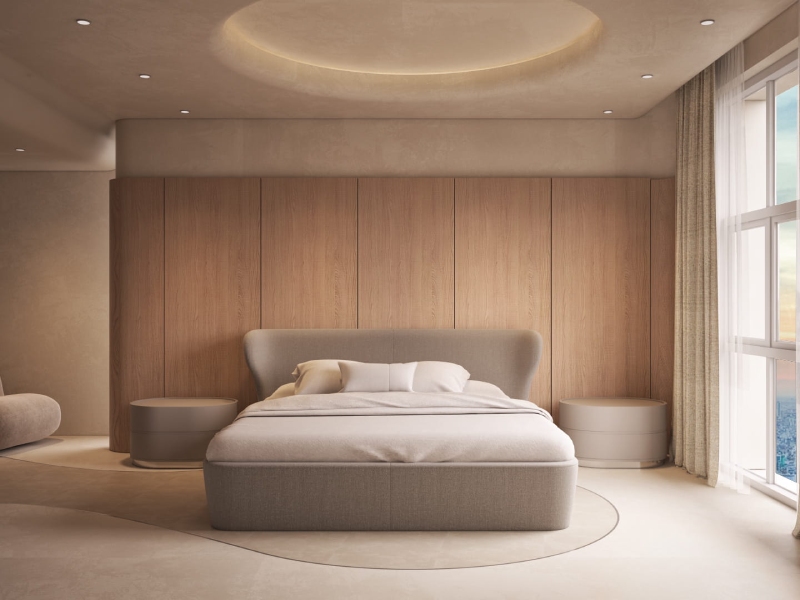
Painting vs Wallpaper: Which One Saves More Money Long-Term?

Painting vs Wallpaper: Which One Saves More Money Long-Term?

Choosing how to finish your walls can significantly impact both your home’s aesthetic and your budget over time. While painting might seem like the cheaper and simpler option at first glance, wallpaper has steadily become a more cost-effective and stylish choice for many homeowners.

This article will explore why investing in wallpaper can save you more money in the long run compared to paint, especially when considering durability, maintenance, and design impact.

Initial costs: a higher upfront investment with greater value

Premium Wallpapers

It’s true that painting generally requires a lower upfront cost. Paint and basic tools are widely available at affordable prices, making it easy for many to tackle a DIY painting project without breaking the bank.

However, wallpaper in Singapore offers a wider range of prices and qualities. While premium wallpapers may carry a higher initial price tag than paint, this upfront investment often pays off in longevity and reduced need for frequent redecorating. Moreover, self-adhesive wallpaper options have made installation simpler and more affordable than ever before, further narrowing the cost gap.

Choosing wallpaper means selecting a finish that will stand the test of time — a choice that can prevent the repeated costs of repainting over the years.

Durability and maintenance: wallpaper’s long-lasting advantage

Wallpaper Advantage

When considering long-term costs, durability is a crucial factor. Paint tends to show wear and tear faster, especially in high-traffic or moisture-prone areas, which means repainting is often required every 3 to 5 years. Repainting involves recurring expenses for materials and labour, which add up over time.

Wallpaper, in contrast, offers superior durability. Many modern wallpapers are designed to resist stains, scratches, and fading. Washable and vinyl-coated wallpapers withstand daily wear far better than paint, reducing the need for repairs or replacements. Some wallpaper can last upwards of 10 to 15 years, making it a more cost-effective choice for maintaining a fresh and attractive interior.

Additionally, wallpaper’s ability to hide wall imperfections can save you money on costly wall repairs before decoration, which is often necessary before repainting.

Design versatility and style longevity

Design Versatility

While paint provides flexibility for quick colour changes, wallpaper brings unique textures, patterns, and effects that paint simply cannot replicate. With wallpaper, you can create feature walls or sophisticated interiors that add character and charm, increasing the perceived value of your home.

Investing in wallpaper allows you to choose timeless designs that remain stylish for years, eliminating the temptation for frequent redecoration and the costs that come with it. This style longevity translates into savings by reducing the frequency of costly updates.

Wallpaper companies have evolved with innovative designs ranging from subtle textures to bold prints and even 3D effects, offering homeowners endless creative options without sacrificing durability.

Environmental factors and resilience

Environmental Factors

In Singapore’s tropical climate, humidity and moisture can accelerate wall damage, impacting the lifespan of both paint and wallpaper. While moisture-resistant paints exist, they often require high-end formulations, which increase the initial cost and still may need frequent upkeep.

Wallpaper, especially those made for humid environments, such as vinyl-based or coated varieties, offers excellent resistance to moisture and mildew. This resistance means fewer problems like peeling or bubbling and less need for premature replacement, helping you avoid costly maintenance.

Proper wall preparation and professional installation further enhance wallpaper’s durability in humid climates, making it a smart long-term investment for homes.

Labour and installation: quality counts

Quality

Painting can be a tempting DIY project, potentially reducing labour costs. However, achieving a flawless and even finish takes skill, and mistakes can lead to uneven coats or patchy results that may require repainting sooner.

Wallpaper installation requires precision to avoid bubbles, misalignment, and damage, but professional installation ensures a perfect finish that lasts. Many modern wallpapers also come with peel-and-stick technology, making installation easier for DIY enthusiasts without sacrificing quality.

When factoring in the long-term durability of wallpaper, the initial professional installation cost is often offset by years without needing costly redecorations. On the other hand, even if you paint yourself, the need for frequent repainting can make labour costs accumulate over time.

Resale value and lasting impression

Resale Value

Well-chosen wallpaper can elevate the style and sophistication of your home, creating a lasting impression on visitors and potential buyers. Unique wallpaper designs can make rooms feel luxurious and thoughtfully decorated, often adding to perceived value.

Paint, while versatile, can sometimes feel plain or require constant updates to keep pace with changing trends. Wallpaper’s ability to serve as a feature element in your interior design means it can differentiate your property in the market.

Homes with stylish wallpaper may attract buyers who appreciate the attention to detail and are willing to pay a premium, which indirectly contributes to better long-term financial outcomes.

Final thoughts: why wallpaper saves more money over time

While painting remains a common choice for quick and low-cost decorating, wallpaper presents a compelling case as a more economical option over the years. Its durability, resistance to wear and moisture, and ability to maintain aesthetic appeal reduce the frequency and cost of redecoration.

If you’re looking for a lasting investment that combines style and savings, opting for wallpaper is a smart choice. Thanks to advances in materials and installation methods, wallpaper offers a balance of beauty and practicality unmatched by paint.

For those who want to enhance their homes with quality wall coverings that save money in the long run, Wallhub provides a comprehensive selection of wallpaper options to suit every style and budget. With expert guidance and premium products, Wallhub ensures your home looks stunning while protecting your wallet over time.

5 Wild Wallpaper Designs You Didn’t Think You’d Love

5 Wild Wallpaper Designs You Didn’t Think You’d Love

Wallpaper is no longer just about florals or neutrals. Over the past few years, styling floral wallpapers and other patterns has evolved as design trends embrace boldness, quirkiness, and artistic statements. While many homeowners stick with safe, familiar patterns, there’s a growing wave of creativity pushing the limits of what wall décor can be. If you’re ready to shake up your interiors, consider these five unconventional wallpaper designs that may surprise you with how much you end up loving them.

1. Animal print with a modern twist

Animal Print

Animal print might make you think of retro fashion or over-the-top glamour, but today’s designs give this classic pattern a sophisticated update. Think oversized leopard spots with a watercolour finish or zebra stripes in muted, earthy tones. These reinterpretations keep the wild aesthetic while toning down the drama, making them easier to incorporate into everyday spaces.

Placed strategically—perhaps on a single feature wall or in a powder room—modern animal prints add a hint of playfulness without overwhelming the room. When styled with minimal furniture and soft textiles, they strike a stunning balance between boldness and elegance.

2. Maximalist jungle murals

Jungle Murals

Forget the typical green leaves and parrots—today’s jungle murals are vast, immersive artworks that make your room feel like part of a fantasy novel. These wallpapers often feature dramatic scenery: oversized tropical flora, mythical creatures, or surreal lighting effects that draw you into a completely different world.

Such designs work exceptionally well in large living rooms or open-concept dining spaces where they can be appreciated from a distance. If you’re daring enough to embrace maximalism, a jungle mural can add both depth and excitement to your interiors. It’s one of those rare choices where the more detailed and eclectic the print, the better it looks. For those sourcing wallpaper in Singapore, this style is quickly gaining popularity among adventurous homeowners.

3. Bold geometric illusions

Geometric Illusions

Geometric designs have long been favoured in modern interiors, but the newer iterations are pushing boundaries with optical illusions and three-dimensional effects. Imagine a wall that looks like it’s folding in on itself, or patterns that create the impression of movement depending on where you stand.

These designs play with perspective and can bring a dynamic energy to a space. When used in a hallway or home office, they can make the area feel more expansive and visually stimulating. To prevent it from becoming dizzying, pair geometric illusions with furniture in solid colours and keep décor minimal.

4. Vintage comic book art

Comic Book Art

Nostalgia meets edge in wallpaper designs inspired by vintage comic books. These styles are often colourful, dramatic, and slightly kitschy—but in the best way. From speech bubbles to classic pop art expressions, comic wallpaper offers a distinct personality to any room it graces.

Perfect for creative spaces like a study, a home studio, or even a teenager’s bedroom, these wallpapers let you express a sense of humour and creativity. You can opt for monochrome comic strips for a more subtle approach or go full-colour for a statement wall that captures the energy of old-school graphic storytelling.

5. Textured designs that mimic unexpected materials

Textured Designs

One of the more subtle wildcards on this list is wallpaper that looks and feels like something else entirely. From distressed concrete and oxidised metal to tufted leather or crushed velvet, these textured designs can create the illusion of unique materials without the actual cost or maintenance.

This style is ideal for industrial-themed homes or anyone looking to bring a tactile element to their walls. A textured wallpaper in your apartment can deliver the same character as a raw brick wall or timber paneling, but with far less effort. These wallpapers often come in realistic finishes that are surprisingly convincing and satisfying to the touch.

Wild doesn’t have to mean chaotic

What unites these five wild wallpaper designs is their ability to make a bold statement without necessarily overpowering the space. Each offers something unexpected—whether it’s an illusion, a fantasy world, or a nostalgic twist—and with the right styling, any of these options can elevate a room’s personality.

If you’ve always played it safe with your interiors, now might be the time to explore something different. Wild doesn’t have to mean chaotic; sometimes, it just means showing a side of your taste you didn’t realise you had.

Conclusion

From comic book flair to jungle-inspired escapism, these wild wallpaper styles open the door to new possibilities for your home. Whether you’re planning a complete renovation or just looking to refresh one room, there’s a unique design out there waiting to inspire you.

Explore a wide range of bold and beautiful wallpaper options at Wallhub, where creativity meets quality to transform your living space into something truly extraordinary.

Small Flat, Big Style: Wallpaper Ideas for Compact Homes

Small Flat, Big Style: Wallpaper Ideas for Compact Homes

Living in a compact home doesn’t mean settling for uninspired design. In fact, smaller spaces offer the perfect opportunity to get creative with bold, efficient and stylish choices that make the most of every square metre. One of the easiest ways to make a big visual impact without sacrificing space is with wallpaper. From subtle textures to striking statement walls, the right wallpaper can transform a flat into a warm, stylish and personalised sanctuary.

If you’re working with a petite floor plan, here are some smart wallpaper ideas that deliver major style in minimal space.

Create light and space with verticals and sheen

Verticals And Sheen

Designing for small interiors often means looking for ways to amplify light and height. Vertical stripes are a classic solution, subtly elongating walls and drawing the eye upward, which creates the illusion of taller ceilings. They’re perfect for narrow hallways, small bedrooms or anywhere that might feel boxed in.

To further enhance the sense of openness, consider wallpapers with reflective finishes. Subtle metallics, pearlescent details or mica-infused textures can bounce light around a room, making it feel airier and more expansive. For best results, choose soft neutral tones like champagne, ivory, or dove grey to keep things elegant and easy to pair with your furniture.

Add warmth and interest through texture

Warmth

Flat walls in small homes can sometimes feel uninspiring, especially when you’re trying to keep furnishings minimal. Introducing textured wallpaper adds visual interest and tactility without taking up any physical space. Options like linen weave, grasscloth, embossed patterns or faux plaster effects can bring a sophisticated touch to living areas, bedrooms or even reading nooks.

Textured wallpaper in Singapore homes is especially useful in neutral palettes. It allows you to add depth and richness to a room without relying on strong colours or elaborate prints. In compact interiors where minimalism reigns, texture becomes a powerful design tool.

Go bold with statement walls in key areas

Statement Walls

While subtlety is great for small spaces, that doesn’t mean you can’t have fun with bolder styles. A feature wall can define a space and give your home a unique personality. In small flats, where open-plan living is common, a statement wallpaper can help visually separate one function from another—for example, a dining area from a lounge.

Try lush florals, tropical prints, or abstract graphics on just one wall to avoid overwhelming the room. The key is to balance bold wallpaper with simpler décor elsewhere. Behind a headboard, a media console, or within a recessed wall niche are great spots for an eye-catching print.

Think beyond traditional walls

Traditional Walls

Wallpaper isn’t just for your four walls. In smaller homes, unconventional applications can be even more impactful. Try using wallpaper on the ceiling to add unexpected character—especially in spaces where architectural detail is limited. You could also apply wallpaper to the backs of shelves, the sides of cabinetry, or wardrobe doors for a cohesive and polished look.

Peel-and-stick wallpaper options are a great solution for renters or those who like to switch things up often. They’re easy to apply, removable, and come in a wide variety of designs to suit every aesthetic—from Scandinavian minimalism to playful pop art. This type of wallpaper is especially popular among young professionals living in rental flats who want to make the space feel like their own without permanent changes.

Conclusion

A small flat doesn’t have to feel cramped or bland. With the right wallpaper choices, you can infuse charm, personality and sophistication into every inch of your home. From textures that warm up a room to patterns that stretch space visually, wallpaper is a powerful ally in compact interior design.

Explore Wallhub’s wide range of wallpapers, finishes and customisation options to find a design that fits your space and style perfectly. Whether you’re styling your first BTO or refreshing a cosy condo, visit Wallhub for expert wallpaper inspiration tailored to modern living.

How to Use Wallpaper to Create a Parisian-Inspired Interior

How to Use Wallpaper to Create a Parisian-Inspired Interior

Effortlessly chic and timelessly elegant, Parisian interiors are known for their understated luxury, classical details, and romantic flair. Whether you live in a city apartment or a landed home, you can recreate this quintessential style by thoughtfully selecting the right wallpaper, colour palette, and decorative elements.

This article explores how wallpaper can serve as the foundation for a Parisian-inspired interior, transforming any room into a space that feels equal parts refined and inviting.

Start with a neutral yet sophisticated colour palette

Sophisticated Colour

At the heart of every Parisian interior is a foundation of neutrals—think ivory, beige, dove grey, and crisp white. These shades create a clean backdrop that allows architectural details and décor to shine without overwhelming the space. When choosing wallpaper, opt for subtle tones or washed-out pastels with delicate patterns such as toile, damask, or floral motifs. These designs add softness and visual interest while maintaining that air of effortlessness.

To avoid the room feeling sterile, blend warm and cool neutrals together. For example, a wallpaper in light stone paired with off-white wall panelling or ceiling mouldings brings harmony and depth, enhancing the Parisian effect.

Use wallpaper to highlight architectural features

Architectural Features

Parisian homes are often characterised by ornate cornices, ceiling medallions, herringbone floors, and tall windows. While you may not be working with the same architectural bones, wallpaper can help simulate or accentuate these features. One popular approach is to apply wallpaper within wall mouldings, effectively creating framed panels that mimic classic French wall treatment.

If your walls are plain, consider adding simple trim to create panel outlines, then fill each section with coordinating wallpaper. This allows you to play with patterns while keeping the look structured and elegant. It’s an ideal technique for living rooms or bedrooms where you want to introduce visual rhythm without overwhelming the space.

Introduce romantic patterns and soft textures

Romantic Patterns

Romanticism is central to the Parisian aesthetic. Wallpapers with soft, nature-inspired motifs—such as vines, blossoms, or birds—lend a whimsical and feminine touch to the space. Chinoiserie designs, subtle stripes, and watercolour-style prints are also popular choices.

For added depth, consider using textured wallpaper like linen, silk, or grasscloth. These options bring a tactile quality to the room while still maintaining that quiet luxury Parisians are known for. Whether you’re designing a powder room, hallway, or guest bedroom, these textures can elevate the ambience with minimal effort.

Balance old-world charm with modern touches

Modern Touches

Parisians are experts at mixing old and new. Even the most traditional wallpaper design can feel modern when paired with contemporary furniture or minimalist accents. For instance, a faded damask print looks surprisingly fresh when complemented by sleek lighting fixtures or streamlined sofas.

When working with wallpaper in Singapore, where interiors tend to lean more modern, this juxtaposition becomes even more impactful. The key is to maintain balance—don’t overcrowd the room with ornate pieces. Instead, let the wallpaper speak for itself and enhance it with a curated selection of décor that nods to both the past and present.

Focus on quality and timeless appeal

Quality And Timeless

Parisian style is not about chasing trends—it’s about investing in pieces that feel timeless and well made. The same philosophy applies to wallpaper selection. Opt for high-quality materials and prints that won’t feel dated in a few years. Look for wallpaper brands or collections that reflect a blend of classic European elegance and subtle innovation.

By choosing well-crafted wallpaper designs, you’re laying the foundation for an interior that will continue to delight for years to come, just as a Parisian flat would.

Conclusion

To explore a wide range of elegant wallpaper options that suit every home style, from classic to contemporary, visit Wallhub. Whether you’re designing a feature wall or transforming your entire space, their curated collections make it easy to achieve a Parisian-inspired aesthetic with sophistication and flair.

Murals vs Patterns: What’s Hot In Boutique-Style Condos

Murals vs Patterns: What’s Hot In Boutique-Style Condos

Boutique-style condominiums have emerged as a refined choice for homeowners who desire modern luxury with a personalised flair. Unlike mass-market developments, these residences often showcase a more curated aesthetic — and that design sensibility extends right down to the walls. Among the most eye-catching decor choices are wall coverings, particularly murals and patterned wallpaper. While both options can dramatically alter a space, each brings something different to the table. So, what’s trending right now in Singapore’s boutique condo scene — murals, patterns, or both?

Making a bold statement with murals

Making a bold statement with murals

Murals have become increasingly popular among designers looking to craft a striking focal point. Whether hand-painted or printed, murals can transform a blank wall into a breathtaking canvas. Homeowners who lean towards artistic expression often opt for large-scale scenes — from abstract brushstrokes to serene landscapes or urban sketches.

In boutique-style condos, where every square metre counts, a mural can become the centrepiece of an open-plan living area or master bedroom. Unlike traditional wall decor, murals eliminate the need for hanging frames or canvases, which is particularly valuable in smaller units. The right mural can also enhance perceived space, with cityscapes or natural motifs providing a sense of depth and openness.

Designers in Singapore are increasingly turning to custom mural services to offer clients one-of-a-kind visuals. These bespoke designs cater to the homeowner’s personal narrative, whether it’s a map of their favourite travel destination or a dramatic monochromatic piece inspired by modern art.

The elegance of repeating patterns

The elegance of repeating patterns

While murals steal the spotlight, patterned wallpaper in Singapore continues to hold its ground — especially in spaces where versatility and subtlety are prized. Patterns offer rhythm and texture, giving rooms a sense of balance and polish without overpowering them.

Geometric patterns remain a favourite among those pursuing a contemporary look. Think clean lines, metallic accents, and Scandinavian minimalism. For those after something more timeless, botanical motifs and damask designs bring a touch of classic elegance that works beautifully in dining rooms, guest bedrooms or even narrow hallways.

Another major advantage of patterns is their scalability. Unlike murals, which often dominate a single wall, patterned wallpaper can cover all four walls without making the room feel too intense. This makes it ideal for compact bedrooms or enclosed spaces, where consistency in design fosters a cosy and cohesive atmosphere.

Mixing murals and patterns: why not both?

Mixing murals and patterns: why not both?

It’s no longer a question of murals versus patterns. Many high-end condo designs are now integrating both, with careful thought given to placement and scale. A mural might anchor the living room wall, while adjacent areas like the hallway or study adopt a complementary pattern that enhances, rather than distracts.

For example, a botanical mural in the dining space can be matched with a leafy repeat pattern in the guest bathroom, creating continuity without redundancy. This mix-and-match approach allows designers to maintain a narrative flow throughout the condo while still giving each room its own personality.

Using both murals and patterns also creates visual zoning — particularly useful in open-concept condos. A mural can define a dining nook, while a pattern sets apart the lounging area, eliminating the need for physical dividers and preserving spatial fluidity.

What to consider when making your choice

What to consider when making your choice

When deciding between murals and patterns (or both), consider the mood you want to create, the function of the space, and how much natural light the room receives. Murals often demand attention, so they work well where you want to pause and admire. Patterns, on the other hand, offer a soothing backdrop that supports rather than competes with furniture or art.

Also, think about maintenance and longevity. High-quality wallpaper in Singapore is designed to withstand humidity and wear, but certain murals — especially hand-painted ones — may require more care. Speak to a design consultant or supplier who understands the local climate and lifestyle needs.

Ultimately, the choice isn’t about what’s better, but what’s right for your space and story.

To explore a wide range of mural and patterned wallpaper designs suited for boutique-style condos, visit Wallhub — where customisation meets creativity, and your walls can finally speak your language.

Can You Use Wallpaper To Mimic Architectural Elements?

Can You Use Wallpaper To Mimic Architectural Elements?

Designers and homeowners alike are always seeking creative ways to elevate interior spaces. While structural renovations can add character and depth, they often come with high costs, long timelines, and disruptive construction work. But what if there was a way to achieve similar results without tearing down walls or rebuilding corners? That’s where wallpaper steps in as a stylish and surprisingly effective solution.

Wallpaper has evolved far beyond floral prints and pastel patterns. Today’s options are incredibly diverse, featuring intricate textures, realistic imagery, and even three-dimensional effects. This versatility allows wallpaper to imitate architectural elements such as brick walls, wood panelling, wainscoting, and concrete finishes, giving spaces a bold upgrade—no hammer or nails required.

Creating the illusion of depth with faux panelling

Faux Panelling

One of the most popular ways to use wallpaper to mimic architectural detail is by choosing designs that resemble classic wall panelling. Faux wainscoting or wooden panel prints can instantly give a room a sense of elegance and timelessness. Whether it’s the charm of traditional English interiors or the clean symmetry of modern Scandinavian styles, panel-effect wallpapers can add depth and structure to otherwise flat walls.

These wallpapers are especially useful in dining rooms, home offices, and entryways where you want to make a strong first impression. Paired with the right paint colour above or below the wallpapered section, the visual trickery is often so convincing that guests might mistake it for actual panelling.

Bringing the outdoors in with brick and stone designs

Brick And Stone Designs

Urban lofts and industrial-inspired interiors often feature exposed brick or stone walls—features that can be challenging to recreate authentically. Instead of sourcing and installing actual bricks, which is expensive and labour-intensive, wallpaper can offer a practical alternative. High-resolution prints with realistic texture effects can mimic exposed red bricks, whitewashed bricks, or even rustic stone walls.

These options work particularly well in kitchens, home bars, and feature walls in living areas. With proper lighting and complementary furnishings, faux brick wallpaper can serve as a striking backdrop while maintaining the warmth and character of real masonry.

Channelling luxury with marble and concrete textures

Marble And Concrete Textures

For a more contemporary and upscale look, wallpapers that mimic marble or concrete are becoming increasingly popular. These designs tap into modern minimalism and urban sophistication, transforming flat surfaces into statement features. Faux marble wallpaper, for example, can emulate the cool elegance of a Carrara marble slab without the cost or weight of the real material.

Likewise, concrete-effect wallpaper can create the industrial aesthetic many designers favour, offering an edgy and raw atmosphere. Used wisely, these textures add visual weight and structure to a space while maintaining the convenience and flexibility of wallpaper.

Highlighting ceilings and niches with architectural flair

Architectural Flair

Architectural elements aren’t confined to walls. Ceilings, alcoves, and wall niches can also be transformed using wallpaper. A patterned or textured wallpaper on the ceiling can imitate coffered designs or tin tiles, often seen in vintage or high-end interiors. This treatment draws the eye upward and adds unexpected drama to the space.

Alcoves and niches, when decorated with wallpaper mimicking arches or structural depth, can act as visual focal points without requiring physical modification. This approach is perfect for adding personality to awkward or unused spaces.

Using wallpaper in compact homes

Compact Homes

For homeowners working with limited space, such as those living in HDB flats or condominiums, wallpaper can provide the illusion of spaciousness and architectural complexity. By using wallpaper that mimics depth, such as trompe l’oeil bookshelves or doorways, it is possible to add dimension to compact rooms.

The wide variety of wallpaper in Singapore means you can find styles that align with local preferences and climate conditions, all while maintaining a distinct design aesthetic. Moisture-resistant and easy-to-maintain options make wallpaper a suitable choice even for kitchens and bathrooms.

Conclusion

Wallpaper offers a versatile and cost-effective way to replicate architectural elements without the hassle of renovations. Whether you’re aiming for a classic, rustic, or contemporary look, the right design can completely transform your space. From faux panelling to brick textures and concrete finishes, today’s wallpaper options open a world of creative possibilities.

Explore the full potential of wallpaper in Singapore by browsing the collection and expert resources available at Wallhub. Let your walls tell a story—no tools required.

Unique Father’s Day Wall Décor Ideas He’ll Appreciate

Unique Father’s Day Wall Décor Ideas He’ll Appreciate

Father’s Day offers a perfect opportunity to express love and appreciation in a way that goes beyond the usual gift. While mugs and ties are thoughtful, creating something meaningful within the home can leave a lasting impression. Wall décor is a subtle yet impactful gesture, offering a visual reminder of cherished memories and personal style.

Whether your dad enjoys art, sports, or a bit of both, these unique Father’s Day wall décor ideas are sure to elevate his space and put a smile on his face.

Personalise his space with a feature wall

Feature Wall

Every dad deserves a corner of the house to call his own. Be it a study, entertainment nook, or man cave, a feature wall can give his space a distinctive identity. One way to do this is by selecting a textured or patterned wallpaper in Singapore that reflects his personality. Think leather-look wallpapers for a sleek, masculine touch, or wood-textured designs for rustic charm. Pair this with framed photos or memorabilia, and you’ve instantly turned a blank wall into something that tells his story.

Celebrate his hobbies and interests

Hobbies And Interests

Whether your father is a guitar enthusiast, movie buff, or cycling fan, incorporating his passions into wall décor is both thoughtful and inspiring. Consider a gallery wall featuring framed prints, album covers, vintage movie posters, or sports jerseys. To make it more dynamic, add floating shelves where he can showcase collectables or books. For a more cohesive look, choose wallpaper that subtly ties the whole theme together—like musical note motifs or abstract designs with his favourite colour palette.

Turn memories into meaningful art

Meaningful Art

Fathers often have countless photos stored on their phones or tucked away in albums. This Father’s Day, curate some of those memories and turn them into stunning wall art. Choose a series of images from a family holiday, milestone events, or candid father-child moments. These can be printed on canvas, framed, or arranged as a photo grid on a feature wall. Complement the display with a neutral-toned wallpaper that enhances rather than distracts from the visuals. A textured backdrop adds sophistication while letting the photos remain the star.

Incorporate motivational quotes or personal messages

Words can be incredibly powerful, especially when they come from the heart. Design a wall art piece that features a quote your dad lives by, or a personal message from the family. You can choose wooden signage, metal prints, or minimalist typography posters to suit his style. Placing this in his workspace or reading area adds a daily dose of motivation. Combine it with a calming wallpaper—perhaps one with soft geometric patterns—to make the space feel grounded and inspiring.

Create a travel-inspired wall

Travel-Inspired Wall

If your father has a love for travel, a wall dedicated to his journeys will make a perfect Father’s Day gift. Use a large world map decal or wallpaper as the centrepiece. Add pins, photo prints, or travel memorabilia to mark the places he’s visited. You could even leave space for future adventures. This idea not only brings back fond memories but also inspires new ones. For a sleek finish, opt for wallpaper designs that mimic concrete, stone, or neutral textures to let the travel elements pop.

Let creativity and thoughtfulness lead the way

Ultimately, what makes wall décor special is the thought behind it. Tailoring something to your father’s tastes and memories not only enhances the aesthetics of a room but strengthens the emotional value attached to it. From bold feature walls to sentimental photo arrangements, there are countless ways to make Father’s Day truly memorable through décor.

Explore more wall design ideas and inspiration by visiting Wallhub, where style meets personal expression in every detail.

What’s the Appeal of Scandinavian Wallpaper Designs?

What’s the Appeal of Scandinavian Wallpaper Designs?

Scandinavian interior design has remained a favourite among homeowners and interior stylists for its simplicity, calmness, and sense of light. Among the many ways to incorporate this design philosophy into a home, Scandinavian wallpaper has become an increasingly popular option. But what exactly makes it so appealing? And why are so many homeowners choosing these minimalistic designs over more elaborate alternatives?

The charm of minimalism and functionality

Minimalism

At the core of Scandinavian aesthetics is the concept of “less is more.” Rather than overloading a space with complex patterns or vivid colours, Scandinavian wallpapers often feature clean lines, muted tones, and simple geometric or nature-inspired prints. These design choices promote a feeling of peace and openness in a room, allowing light to bounce effortlessly around the space.

Functionality also plays a key role. Scandinavian interiors are known for being practical as well as beautiful. Wallpapers in this style don’t just serve as visual interest—they help create a coherent atmosphere that supports both relaxation and productivity. Whether it’s a quiet bedroom retreat or a lively dining area, this wallpaper style seamlessly fits different parts of the home.

Soft colour palettes that brighten up homes

Soft Colour

Scandinavian wallpapers often use a gentle colour scheme dominated by whites, greys, pale blues, and dusty pastels. These colours are not only visually soothing but also highly reflective, which means they help brighten up interiors, especially in rooms with limited natural light.

For homeowners looking to create a space that feels fresh, uncluttered, and open, these light shades offer an ideal solution. Even small rooms can feel more expansive when decorated with such wallpapers. This makes Scandinavian wallpaper an excellent choice for flats, compact HDBs, or any room where brightness is a priority.

Versatility across home styles and spaces

Versatility

Another key reason for the rising appeal of Scandinavian wallpaper is its versatility. While rooted in a specific design tradition, it blends effortlessly with various decor styles—be it industrial, contemporary, coastal, or even bohemian. The neutral palettes and balanced look of Scandinavian designs allow homeowners to pair them with different furniture types, accent pieces, and colour schemes.

Moreover, these wallpapers are not restricted to any one room. Whether you want a serene bedroom backdrop, a clean and calm home office, or a chic living room feature wall, Scandinavian wallpaper adapts beautifully to multiple settings. This flexibility makes it a great long-term investment, especially for homeowners who may want to refresh other parts of their interiors over time.

A calming effect on the mind

Calming Effect

Psychologically, Scandinavian wallpaper can contribute to a more peaceful environment. Cluttered or overly colourful spaces can be visually exhausting, especially in today’s fast-paced world. The gentle hues and balanced symmetry often found in Scandinavian patterns can help reduce mental stress, encourage mindfulness, and support overall well-being.

This makes the style particularly beneficial for areas meant for rest and relaxation. Bedrooms, nurseries, reading nooks, or meditation corners all benefit from the serenity that Scandinavian design brings. For homeowners looking to turn their house into a calming sanctuary, this wallpaper style is a natural choice.

Perfect harmony with modern urban living

Urban Living

Given the compact nature of many Singaporean homes, especially condominiums and flats, Scandinavian wallpaper offers a practical solution for those looking to enhance their living spaces without overwhelming them. The designs cater to the needs of urban dwellers—those who want to create more with less, maximise natural light, and promote relaxation amidst city bustle.

It’s no surprise that many homeowners exploring wallpaper in Singapore gravitate towards Scandinavian patterns. The ability to bring in soft elegance, lightness, and a nature-inspired atmosphere fits perfectly within modern urban lifestyles.

Conclusion

Scandinavian wallpaper continues to win hearts for its clean beauty, versatility, and calming effects. Its subtle charm works across a variety of spaces and styles, making it a timeless choice for any home. If you’re looking to infuse your interiors with a touch of Nordic tranquillity, explore the wide range of Scandinavian wallpaper options available at Wallhub and discover how simple design can transform your entire living experience.

World Environment Day Wallpaper Ideas: Earth Tones & Florals

World Environment Day Wallpaper Ideas: Earth Tones & Florals

World Environment Day, celebrated each year on 5 June, is more than just a calendar event. It’s a timely reminder to reconnect with nature and reflect on the small changes we can make to live more sustainably. One surprisingly effective way to show your appreciation for the planet? Refreshing your home décor. Earth-inspired wallpapers not only echo the themes of nature but also create a calm, grounded atmosphere indoors. Whether you’re updating a bedroom, living room, or workspace, these eco-friendly wallpaper ideas—rooted in earth tones and florals—will help bring a touch of the outdoors in.

Celebrate nature with grounding earth tones

Earth Tones

There’s something inherently soothing about a palette that mimics the natural world. Think sandy beiges, warm terracottas, olive greens, and soft clay tones. These colours, reminiscent of soil, stone, and forest, introduce a sense of stability and comfort into any room.

Earth-tone wallpapers work especially well in communal areas like the living room or dining space, where you want to cultivate a welcoming and relaxing environment. For example, a deep taupe or rust-toned textured wallpaper can serve as a beautiful backdrop for wooden furniture and indoor plants. If you prefer subtlety, consider a light khaki or pebble grey wallpaper that adds warmth without overwhelming the room.

When paired with eco-conscious materials such as bamboo flooring, reclaimed wood furniture, or linen textiles, these wallpapers not only elevate your home aesthetically but also align with sustainable living values.

Go botanical with oversized floral patterns

Floral Patterns

Floral wallpapers have made a strong comeback, but the trend has evolved. Today’s designs lean into large-scale, painterly florals that feel modern and artistic rather than overly traditional. These wallpapers bring life and energy to a room, evoking the vibrancy of blooming gardens and lush landscapes. When choosing wallpaper in Singapore, consider how floral patterns can complement both the tropical climate and your interior style.

For a dramatic statement wall, consider a wallpaper featuring oversized wildflowers or abstract tropical blooms in earthy colours. If you prefer something more delicate, opt for hand-drawn botanical illustrations in muted greens and browns. These add a gentle, whimsical touch to bedrooms or reading nooks.

Not only do floral patterns visually connect us to nature, but they also make a room feel fresh and lively year-round—perfect for celebrating World Environment Day in style.

Opt for watercolour or hand-painted styles for artistic flair

Artistic Flair

One way to bring a sense of craftsmanship and artistry into your home is through wallpaper that looks hand-painted or watercoloured. These designs often feature gentle colour transitions, soft edges, and an overall sense of movement that mimics natural scenery.

Watercolour florals and landscapes in earthy tones can make a room feel like a tranquil painting, ideal for bedrooms or quiet corners. Alternatively, wallpaper featuring hand-sketched botanicals or freeform plant shapes introduces a charming, personalised touch.

These styles are also particularly effective at softening hard lines or cold materials in a space, such as concrete floors or metal fixtures, creating a more harmonious and balanced interior.

Conclusion

Bringing the beauty of the natural world into your home is one of the most thoughtful ways to honour World Environment Day. Whether it’s through rich earth tones, blooming florals, or textured surfaces that echo organic materials, your wallpaper can be a reflection of your commitment to both style and sustainability. For a wide range of nature-inspired options that transform your living space while celebrating the planet, explore the curated collections available at Wallhub.

For the Trendsetter: Avant-Garde Wallpaper Concepts to Try

For the Trendsetter: Avant-Garde Wallpaper Concepts to Try

Staying ahead of the curve in interior design isn’t just about following trends — it’s about setting them. For those with an eye for bold expression and a flair for creativity, avant-garde wallpaper in Singapore offers a fresh way to turn your home into a statement of personal style. Whether you’re revamping a single wall or planning a full home transformation, these unique wallpaper ideas are sure to spark inspiration.

Go bold with oversized abstract patterns

Abstract Patterns

Forget safe, small-scale motifs. Oversized abstract patterns bring an unexpected, dramatic flair that instantly captures attention. Think sweeping brushstrokes, expressive splashes of colour, or even deconstructed shapes that evoke movement and energy. This look works especially well in living rooms and entryways, where you can create a strong first impression.

For homes where space is often limited, large-scale patterns might seem intimidating. But when paired with minimalist furnishings and a cohesive palette, these wallpapers can visually expand a room and add depth. Try placing an abstract feature wall behind a sleek sofa or at the head of a bed to balance art and function.

Play with metallic and iridescent finishes

Metallic

Nothing says trendsetting like surfaces that shimmer and shift with the light. Metallic and iridescent wallpapers introduce a layer of sophistication while keeping things edgy. These finishes can bounce natural light around the room, which is especially useful in HDB flats or condominiums that might lack ample daylight.

Choose a subtle champagne gold for a luxurious living space or go bolder with holographic details in a hallway or study. These wallpapers pair well with glass, chrome, and marble elements, creating an effortlessly modern aesthetic. For a truly Singaporean twist, layer in traditional accents like rattan or teakwood furniture to create contrast.

Inject personality with mural-style wallpaper

Mural-Style

Mural wallpapers go beyond repeating patterns and enter the realm of storytelling. Whether it’s a dreamy forest scene, a modernist cityscape, or a surrealist art piece, mural designs allow you to make a statement that reflects your personality — and even hint at what your wallpaper says about your personality. These work particularly well in bedrooms, home offices, or even as a dining room backdrop.

Mural wallpaper is also a clever way to add architectural interest without committing to built-ins. Use it to give a sense of space in smaller apartments or to anchor zones in open-concept layouts. A nature-themed mural can introduce calm into an otherwise busy household, while a pop-art design adds a playful edge to contemporary interiors.

Try colour-blocking and geometric illusions

Geometric

Avant-garde doesn’t always mean chaotic. Sometimes, it’s the clever use of clean lines and bold blocks of colour that make the strongest impact. Colour-blocking wallpaper helps you define spaces in an open floor plan or add rhythm to a long corridor. Geometric prints, especially those with 3D effects, create movement and dynamism.

This approach suits new condos or ECs with modern layouts and neutral tones. A geometric feature wall in the living area or home office adds visual interest without the need for much decor. Plus, these designs often appeal to both minimalists and maximalists alike, depending on the colours and scale you choose.

Conclusion

For homeowners who love to stand out, avant-garde wallpaper is the ultimate way to make a space feel personal, artistic, and future-forward. Whether you’re drawn to bold abstracts, shimmering finishes, cultural fusions or geometric illusions, the right wallpaper choice can redefine the energy of any room.

Explore daring and stylish wallpaper options at Wallhub, where creativity and quality meet to help you turn your interior ideas into reality.

Mid-Year Wallpaper Trends for a Fresh New Look at Home

Mid-Year Wallpaper Trends for a Fresh New Look at Home

2025 has seen a bold shift in interior design preferences, and the mid-year wallpaper trends are all about infusing personality, comfort, and sophistication into your home. For homeowners in Singapore, wallpaper continues to be a versatile and impactful choice to refresh interiors without the need for major renovations. Whether you’re updating your HDB flat or giving your condo a new vibe, these current trends will help you make confident and stylish choices.

Textured walls make a strong comeback

Textured Walls

Flat, one-dimensional wallpaper designs are taking a backseat this year. Instead, more homeowners are opting for wallpapers with depth and dimension. From linen-like finishes to embossed geometric patterns, textures are creating more visual interest in living rooms and bedrooms alike. This is particularly useful in compact homes, where adding tactile elements on walls enhances the overall ambience without overcrowding the space with furniture or decorative pieces.

Wallpapers with a subtle fabric texture are gaining traction, especially among those looking for a warm and cosy feel. Paired with minimalist furniture, these textured designs allow you to balance simplicity with richness—ideal for Singapore’s modern urban homes.

Earth tones and calming palettes dominate

Earth Tones

Neutral colour schemes continue to dominate in 2025, but with an emphasis on warm, earthy undertones. Shades like clay, taupe, sand and muted olive are taking over cooler greys and stark whites. These colours evoke a grounded, serene feeling that pairs beautifully with natural light—something many Singaporean homes enjoy thanks to large windows and open-concept layouts.

For those keen to explore coloured wallpaper in Singapore, look out for patterns that combine soft tones with subtle metallic accents or minimal line art. These styles bring sophistication without overwhelming smaller spaces, a common concern in local home design.

Stripes and structured patterns for small spaces

Structured Patterns

Vertical stripes and structured grid patterns are a practical trend that’s gaining favour, especially in smaller HDB flats or studio apartments. These designs help elongate walls and ceilings, creating the illusion of more space. More importantly, they offer a timeless and clean aesthetic that works well across different room styles, from Scandinavian to Japandi.

Thin pinstripes in soft hues or bolder, thicker lines in contrasting tones can both work well, depending on how dramatic or subtle you want the effect to be. This trend is particularly useful for entryways, study corners, or hallways that often feel tight or cramped.

Murals and large-scale art prints take centre stage

Art Prints

For those looking to make a dramatic statement, mural wallpapers and large-scale art prints are proving to be a hot favourite this year. Instead of smaller repeating patterns, these feature wall designs are akin to having a gallery piece directly on your wall.

From abstract watercolour designs to scenic landscapes and city skylines, these wallpapers provide an immersive visual experience. They’re ideal for feature walls in living rooms or master bedrooms and pair well with neutral furniture and minimal accessories. Given the limited wall space in most local homes, one bold mural can instantly elevate a room without the need for additional décor.

Sustainable wallpaper choices gain momentum

Sustainable Wallpaper

More Singaporean homeowners are showing interest in eco-conscious living, and this extends to their wallpaper choices. Brands that offer non-toxic, recyclable, and sustainably produced wallpaper options are seeing increased demand.

For families with young children or allergy concerns, opting for wallpapers with low VOC (volatile organic compound) emissions is becoming an essential part of responsible home styling. This shift in consumer awareness is influencing the market, pushing for more ethical and environmentally friendly wallpaper solutions that don’t compromise on design.

Updating your home is easier than ever with Wallhub

Refreshing your interiors doesn’t require a full overhaul. Sometimes, all it takes is the right wallpaper to completely transform the feel of your space. Whether you’re looking for textured designs, calming palettes, or something bold and cultural, Wallhub offers a wide range of mid-year wallpaper collections that are perfect for any home.

Explore the latest trends and discover a new look that reflects your style at Wallhub. Let your walls speak volumes this season with designs that inspire comfort, beauty, and individuality.

Wallpaper for Meditation & Mindfulness Space Design

Wallpaper for Meditation & Mindfulness Space Design

Creating a dedicated space for mindfulness and meditation has become increasingly important in our fast-paced Singaporean lifestyle. Whether you live in a compact HDB flat or a spacious landed property, having a calming corner to unwind can make a world of difference to your mental and emotional well-being. One simple yet transformative way to design such a space is through the thoughtful use of wallpaper in Singapore. Beyond mere decoration, wallpaper can enhance tranquillity, evoke a sense of calm and contribute to a more intentional home environment.

Choosing calming colours and textures

Calming Colours

Colour plays a crucial role in setting the mood for any room, and this is especially true for a meditation or mindfulness area. Soft, muted tones such as pastel blues, sage greens, warm greys, or off-whites create a serene atmosphere that helps you disconnect from daily stress. These hues are less visually demanding and encourage a feeling of stillness.

Textured wallpapers, such as those that mimic linen, bamboo or brushed finishes, add a subtle sensory dimension. These textures reflect light gently, contributing to a warm and grounded ambience. For homes where natural materials can sometimes be challenging to maintain due to humidity, textured wallpaper offers an excellent alternative to achieving the same earthy and grounding effect.

Incorporating nature-inspired designs

Nature-Inspired Designs

Biophilic design, which incorporates natural elements into the built environment, is especially relevant in Singapore where green spaces are highly valued. Wallpaper with botanical prints, forest scenes, or water motifs can simulate nature and foster a deeper sense of connection to the environment.

For example, a wallpaper featuring gentle palm leaves or water ripples can turn a corner of your home into a peaceful retreat. These designs are especially beneficial in urban areas where access to nature might be limited. By bringing the outdoors in, such patterns support relaxation and mindfulness, creating a soothing backdrop for meditation or quiet reflection.

Understanding spatial flow and balance

Spatial Flow

Mindfulness spaces should never feel cluttered or overwhelming. In many homes, space can be a constraint, which makes every design choice count. Wallpaper can be used strategically to define the meditation zone and visually separate it from the rest of your home, especially in open-plan living areas.

Choose designs with balanced, symmetrical patterns that do not distract the eye. Avoid overly busy prints or bold colour contrasts, as these can disturb the equilibrium of your space. Vertical patterns can create a sense of height in low-ceilinged flats, while horizontal designs may help smaller rooms feel more expansive. These subtle shifts in perception are important in promoting a feeling of openness and calm.

Finding the right balance with lighting and décor

Lighting And Décor

Wallpaper works best when it complements other elements of the space. Lighting, especially natural light, enhances the look and feel of wallpaper in mindfulness corners. Soft diffused lighting or warm-toned LED lamps can help bring out the texture and colour of the wallpaper, adding to the overall ambience.

Keep additional décor to a minimum. A floor cushion, a small indoor plant, or a low shelf with a few personal items is all you need. The wallpaper should remain the visual anchor of the space, grounding the environment in peace and simplicity. Having a space that instantly signals calm through its design is deeply beneficial.

Curating a peaceful retreat at home

Designing a mindfulness or meditation space is not about following strict rules but about creating a personal sanctuary. Wallpaper offers an accessible and stylish way to do just that. By being intentional with your choice of colour, texture, pattern and placement, you can create a peaceful retreat that supports your daily wellness practices.

Explore the thoughtfully curated collection at Wallhub to find the perfect wallpaper that brings mindfulness and style together. With a wide range of textures, prints and materials, every wall can become a canvas for peace and intention.

Wallpaper Designs That Pair Beautifully with Indoor Plants

Wallpaper Designs That Pair Beautifully with Indoor Plants

Adding a touch of green into your home isn’t just a trend – it’s a way to breathe life into your space, quite literally. Indoor plants do more than just purify the air and brighten up a corner. They create a calming presence and elevate the aesthetics of your interiors. When paired with the right wallpaper designs, the results can be breathtaking.

Choosing the right wallpaper in Singapore to complement your indoor greenery is all about balance, mood, and cohesion. Whether you’re styling a studio apartment or a landed home, here are some design pairings that work harmoniously with plant-filled interiors.

Botanical prints for an immersive green experience

Botanical Prints

Going green on green might sound excessive, but done right, it creates a lush, tranquil vibe. Botanical-themed wallpapers, with leafy patterns or floral illustrations, work beautifully with indoor plants. They bring the outdoors in, making the space feel like an indoor garden sanctuary.

To avoid overwhelming the room, opt for prints that reflect the types of plants you already have. Monstera leaves, ferns, or even watercolour vines complement actual greenery without clashing. A wallpaper with a slightly faded or matte finish will also keep the look refined and grounded.

Neutral tones for a natural, earthy contrast

Neutral Tones

Minimalist interiors with lots of plants can benefit from wallpapers in neutral shades. Think taupe, beige, light grey, or soft white. These tones provide a quiet backdrop that lets your indoor plants become the focal point.

When walls are dressed in calming neutrals, the textures and colours of potted plants – from glossy green leaves to rustic terracotta pots – stand out more. A textured wallpaper, such as linen or stone-inspired patterns, adds depth without stealing the spotlight from your greenery.

Geometric patterns to add modern edge

Geometric Patterns

A common misconception is that greenery only fits into bohemian or rustic settings. With the right styling, indoor plants can look stunning in modern homes too. Pairing sharp, geometric-patterned wallpaper with sleek plant arrangements creates a bold yet balanced aesthetic.

Go for black-and-white or metallic-accented geometrics for a contemporary touch. Plants with sculptural qualities – like snake plants or fiddle leaf figs – enhance the structured theme. For a splash of colour, a dusty rose or muted navy background can soften the lines while keeping things chic.

Pastel backdrops to soften plant silhouettes

Pastel Backdrops

Pastels work like a charm in homes that need lightness and airiness. Mint green, lavender, blush pink or powder blue walls gently highlight the curves and textures of indoor plants. These soft shades give the room a relaxed, dreamy atmosphere.

To keep the overall look cohesive, match your pastel wallpaper with planters in muted tones – like ceramic whites or sandy beiges. Consider trailing plants like pothos or string of pearls, which add a graceful touch against pastel walls.

Tropical vibes for a holiday-at-home feeling

Tropical Vibes

Singapore’s warm climate makes tropical plants like palms and banana trees thrive indoors. Complement them with wallpapers that enhance that island resort feel. Look for patterns featuring large fronds, birds of paradise, or sunset hues.

This combination is ideal for balconies, patios, or any room that receives good sunlight. Add rattan furniture and natural fabrics like linen or cotton to complete the laid-back, breezy vibe. It’s a great way to turn your space into a mini staycation spot.

Let your walls and plants tell a story

Blending wallpaper and indoor plants is a creative process that adds personal flair to any home. Whether you prefer loud prints or muted palettes, the key lies in curating pieces that reflect your style while embracing the beauty of nature.

Explore a wide variety of stunning, plant-friendly wallpaper in Singapore at Wallhub. From nature-inspired prints to textured finishes, there’s a design that pairs perfectly with your indoor garden. Browse the full collection and let your walls become the perfect canvas for your greenery.

Mother’s Day Makeover: Transform Her Space with Wallpaper

Mother’s Day Makeover: Transform Her Space with Wallpaper

Mother’s Day isn’t just about flowers and brunches—it’s about making her feel special and appreciated. This year, why not give her something thoughtful and lasting? A mini home makeover can be the perfect way to refresh her surroundings and lift her spirits. Whether it’s her bedroom, the living room, or even her cosy reading nook, wallpaper can instantly enhance the look and feel of a space without the mess and cost of a full renovation.

If your mum’s been spending more time at home—be it relaxing, working, or enjoying hobbies—then helping her create a space that feels truly hers could be one of the most meaningful gifts.

Here’s how to surprise her with a wallpaper makeover she’ll love.

Start with her favourite colours and patterns

Favourite Colours

Before diving into designs, take a moment to think about your mum’s style. Does she like soft, calming tones? Or perhaps she gravitates towards bolder, statement-making patterns? Consider what colours she wears often, what décor she already has in the house, and what kind of mood you’d like to create in her space. Feminine colour combinations—think blush pinks, lilacs, soft blues, or warm neutrals—can help guide your palette.

For a gentle, soothing vibe, florals, pastels, or watercolour-inspired prints are always a safe and stylish choice. If she enjoys a touch of luxury, consider damask or marble-effect wallpapers that bring a sophisticated edge. And for the creative or artistic mum, geometric or abstract patterns can infuse her space with energy and personality.

Choose the right room for the biggest impact

Choose The Right Room

If a full home makeover isn’t realistic, focus on one room that holds the most meaning for her. The bedroom is a great place to start—it’s her sanctuary after all. A feature wall behind the bed can redefine the entire room, adding warmth and charm with minimal effort.

Alternatively, consider revamping the dining area or living room where the family gathers. A tasteful wallpaper can transform a plain wall into a talking point, making daily meals and conversations feel even more special.

Don’t overlook smaller spaces either. The hallway, reading corner, or even a walk-in wardrobe can benefit from a stylish wallpaper upgrade. Sometimes, the tiniest nooks hold the most potential.

Use texture to create depth and comfort

Use Texture

Wallpaper doesn’t have to be just about visuals—it can also offer tactile charm. Textured wallpaper adds depth and can elevate a space by giving it a more luxurious, layered feel. Think linen-textured surfaces, embossed floral motifs, or even faux brick or wood panels for a rustic touch.

These textures not only look beautiful but can make the room feel warmer and cosier, perfect for mums who love relaxing at home with a good book or a cup of tea. It’s a subtle way to turn everyday moments into something special.

Create a surprise reveal she’ll remember

Create Surprise

The best part of this makeover? You can turn it into a lovely surprise. Plan ahead, get her out of the house for a few hours—perhaps a massage or lunch with a friend—and have everything set up before she returns. If you’re unsure about her exact taste, you can still prepare a shortlist of wallpaper samples and involve her in the final decision-making. That way, she gets a gift and an experience.

If you’re working with a tight timeline, peel-and-stick wallpaper might be the way to go. It’s quick to apply and easy to remove, which makes it perfect for a spontaneous makeover. Plus, it offers flexibility in case she changes her mind down the line.

Get creative with wallpaper beyond the walls

Get Creative

Wallpaper isn’t just for walls. You can use it to line shelves, decorate the inside of cabinets, or refresh an old chest of drawers. These little touches can add elegance and personality to her space without the need for heavy tools or renovations.

For example, if she has a vanity table or a bookshelf that’s looking a bit tired, applying wallpaper to the back panels can instantly revitalise the look. It’s also a lovely way to tie together different elements in the room with a unifying print or colour theme.

Make it a bonding activity if she’s into DIY

Bonding Activity

If your mum enjoys DIY projects, turn the makeover into a shared experience. Choose a weekend, set aside some time, and go through the wallpapering process together. From prepping the walls to smoothing out the final pieces, it can be a fun and memorable bonding activity. Plus, she’ll get to enjoy the satisfaction of a job well done.

Singapore’s humid climate used to make wallpaper seem like a tricky choice, but times have changed. Modern options for wallpaper in Singapore are now far more durable, moisture-resistant, and easy to maintain—perfect for long-lasting makeovers in any part of the home.

Wrap up Mother’s Day with a beautiful reveal

There’s something deeply personal about creating a space tailored to someone’s tastes and lifestyle. A wallpaper makeover doesn’t just beautify a room—it tells your mum she deserves a place that reflects who she is and what she loves. Whether it’s a soft romantic print or a bold statement wall, she’ll feel celebrated and cherished every time she walks in.

Explore a wide range of designs and textures at Wallhub to find the perfect wallpaper that captures your mum’s style. With the right design, a little planning, and lots of love, you can transform her everyday space into a heartfelt Mother’s Day gift she’ll never forget.

What Your Wallpaper Really Says About Your Personality

What Your Wallpaper Really Says About Your Personality

Step into a Singaporean home and you’ll often find that the walls tell a story. Whether it’s a burst of colour, a muted texture, or a bold geometric pattern, the wallpaper you choose isn’t just about design—it’s about self-expression. In a city where space is precious and individuality is treasured, wallpaper in Singapore has become a popular way for homeowners to showcase their style and personality. Your wallpaper choices reveal more about you than you might think.

Here’s what your wallpaper might be saying about you.

You love peace and simplicity if you prefer neutral or minimalist designs

Neutral Or Minimalist Designs

Neutral palettes or tones and minimalist wallpaper choices are favoured by those who appreciate calm, order, and balance. Think soft beige, warm greys, off-whites, or light taupes with a barely-there texture. If these styles appeal to you, it often means you’re someone who seeks a peaceful retreat from the outside world—especially in a bustling environment like Singapore. You probably value functionality just as much as aesthetics, and prefer things to be intentional and clutter-free.

Your lifestyle might lean towards the mindful, and your space reflects that: a home that promotes relaxation and mental clarity. You likely take comfort in daily routines and are someone who enjoys curling up with a book rather than throwing a wild party. Minimalist wallpaper choices don’t scream for attention, but that’s exactly the point—they reflect your desire for serenity and your ability to find joy in the quiet moments.

You’re full of personality if you gravitate towards bold colours and patterns

Bold Colours And Patterns

If your walls are covered in vivid prints, daring florals, or eye-catching geometric designs, then it’s safe to say you’re not afraid to express yourself. Wallpaper in bright colours or daring patterns often suggests a high-energy personality—someone who is confident, lively, and perhaps a little adventurous. In the often uniform design of Singapore’s HDBs and condos, you’re someone who refuses to be ordinary.

Your choice in wallpaper shows that you enjoy making a statement and aren’t afraid to take risks, even in design. You likely enjoy hosting gatherings, decorating for festive occasions, and switching things up to keep life exciting. It also hints at a creative side—you see your home as a space to reflect your passions, whether that’s art, music, or travel. Bold wallpaper tells your guests one thing: you live life with colour, purpose, and flair.

You appreciate history and culture if you choose traditional or vintage-inspired designs

Vintage-Inspired Designs

Do classic damask motifs, intricate Peranakan-inspired patterns, or elegant vintage florals appeal to you? Then you’re probably someone with a strong appreciation for heritage and tradition. In a city where rapid development often overshadows old-world charm, your wallpaper choices suggest a desire to hold onto the past, blending the nostalgic with the modern.

You might find inspiration in Singapore’s rich multicultural roots and enjoy adding touches of history to your home décor. Traditional wallpaper styles reflect a love for timeless elegance and cultural richness. You likely value family, memories, and the stories behind the things you own. Whether your home is a modern BTO or a renovated shophouse unit, your design choices show a deep respect for legacy—and a romantic view of the past.

You’re design-savvy and experimental if you go for trendy or artistic wallpaper

Artistic Wallpaper

Modern homeowners who keep up with interior design trends often lean towards abstract wallpapers, mural features, or textured effects like faux concrete or terrazzo. If your walls reflect current styles, chances are you enjoy staying on top of trends and aren’t afraid to experiment. This shows a flexible, creative mindset—one that sees change as an opportunity rather than a challenge.

In Singapore, where space is often limited, using wallpaper to create visual interest or a focal point is a smart way to maximise style. Whether you’re turning a wall into an art piece or using design tricks to make a room look bigger, your wallpaper reflects innovation and forward-thinking. You likely enjoy curating your space to reflect your evolving taste, and your home serves as a canvas for your personality and inspirations.

You’re detail-oriented and organised if you like symmetrical or geometric designs

Geometric Designs

If clean lines, repeating motifs, or symmetrical patterns dominate your walls, it could point to a personality that values structure, logic, and precision. You probably enjoy planning and thrive in well-organised environments. People with a penchant for geometric or grid-like wallpaper designs often take comfort in predictability and enjoy making thoughtful decisions.

Your wallpaper choices suggest that you like everything to have its place. This doesn’t mean you’re boring—on the contrary, it shows that you pay attention to detail and care about how every element in your home works together. In Singapore’s compact living spaces, this trait can be a real advantage. Whether you’re designing a home office or a shared family area, you use wallpaper not just for beauty, but to bring balance and harmony into your daily life.

Your walls, your personality—make them yours

Your Walls, Your Personality

Choosing wallpaper isn’t just about what looks nice—it’s about what feels right for you. Whether you’re drawn to classic elegance, bold creativity, or soothing minimalism, your wallpaper reflects your personality and helps turn your space into a home that truly represents you.

Explore a wide range of wallpaper in Singapore and let your walls do the talking with Wallhub. From design consultation to custom feature walls, Wallhub offers the perfect match for every taste and personality—because no one does personal style quite like you.
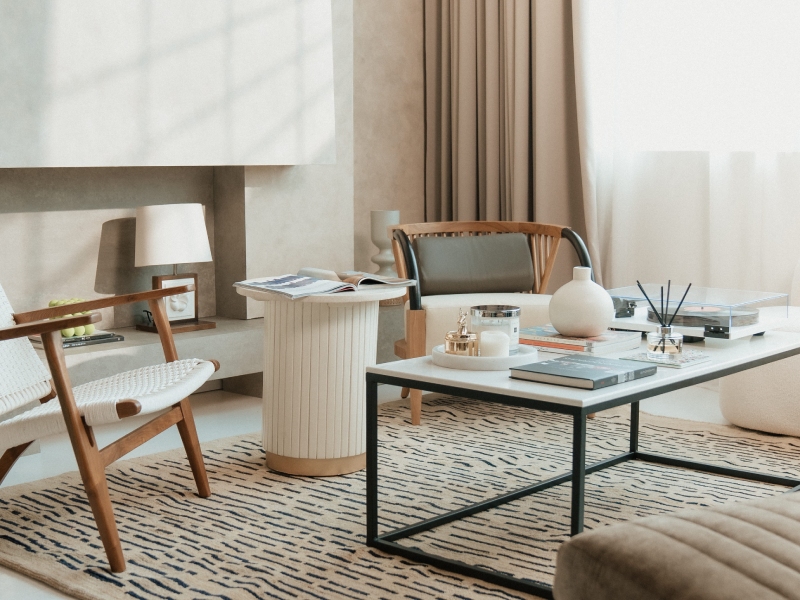
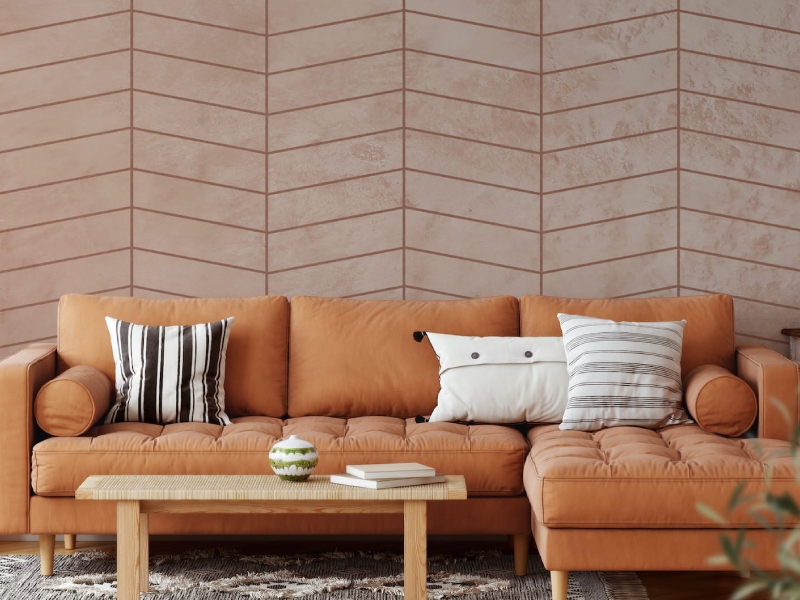
Why Wabi-Sabi Aesthetic Is Gaining Fans in Singaporean Homes

Why Wabi-Sabi Aesthetic Is Gaining Fans in Singaporean Homes

The charm of imperfection is winning hearts in Singaporean homes, and the Wabi-Sabi aesthetic is at the centre of this shift. Rooted in Japanese philosophy, Wabi-Sabi embraces simplicity, authenticity, and the beauty of imperfection. Much like Japandi design, with a growing desire for mindful living and organic spaces, many homeowners in Singapore are turning to this aesthetic to create homes that feel warm, serene, and deeply personal.
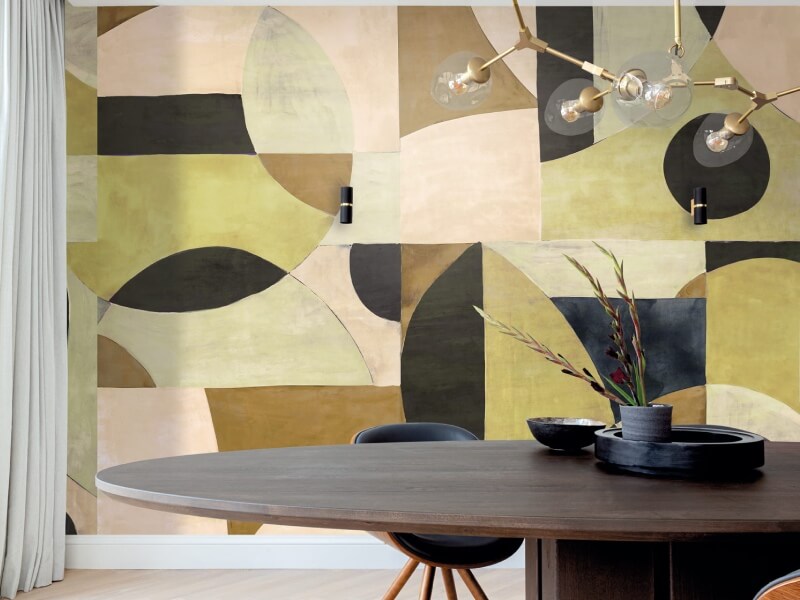
Appreciating the beauty of imperfection

Appreciating The Beauty Of Imperfection

Singaporean interiors have long leaned towards modern and minimalist designs, often showcasing sleek lines, glossy finishes, and structured forms. While this style remains popular, more homeowners are moving away from the pursuit of perfection in favour of something more organic and lived-in. The Wabi-Sabi aesthetic encourages a deeper appreciation for natural materials, raw textures, and asymmetry, allowing spaces to tell a story through their imperfections.

Elements like aged wood, hand-crafted ceramics, and textured walls are gaining popularity, offering a quiet elegance that feels authentic rather than mass-produced. This shift reflects a desire for homes that are not just visually appealing but also emotionally comforting.

Creating tranquil spaces in urban living

Creating Tranquil Spaces In Urban Living

With the fast-paced lifestyle in Singapore, many are searching for ways to transform their homes into peaceful sanctuaries. Wabi-Sabi’s emphasis on simplicity and nature makes it an ideal aesthetic for urban dwellers looking to escape the chaos of city life. By incorporating natural materials such as linen, stone, and untreated wood, homeowners can create a space that feels calm and grounded.

Soft, earthy tones like warm greys, muted greens, and soft beiges help cultivate a soothing atmosphere, making it easier to unwind after a long day. These colour palettes also work well in smaller HDB flats and condominiums, where a clutter-free, harmonious environment can make a significant difference in perceived space and comfort.

Incorporating wabi-sabi into Singaporean homes

Incorporating Wabi-sabi Into Singaporean Homes

Adopting Wabi-Sabi does not mean a complete overhaul of a home’s interior. Instead, it encourages thoughtful curation of elements that reflect individuality and embrace imperfection. Here are some simple ways to bring Wabi-Sabi into your space:

  • Embrace natural textures: Opt for raw and unfinished materials, whether it’s wooden furniture, linen curtains, or handcrafted pottery. Textured walls and subtle imperfections add character and depth to a home.
  • Choose meaningful decor: Instead of filling a space with trendy items, focus on pieces that hold sentimental value. Heirloom furniture, handmade ceramics, or artwork from local artisans add personal charm to a space.
  • Soft lighting and organic shapes: Swap harsh lighting for warm, diffused options such as paper lanterns or filament bulbs. Curved furniture and irregular shapes can also introduce a softer, more inviting feel.
  • Subtle wall treatments: Walls play a key role in setting the tone of a space. To achieve a Wabi-Sabi-inspired look, consider textured wall finishes or nature-inspired designs. Wallpaper in Singapore is an excellent way to introduce gentle textures and earthy hues without requiring extensive renovation.

Why Singaporeans are embracing wabi-sabi

Why Singaporeans Are Embracing Wabi-Sabi

Beyond aesthetics, Wabi-Sabi resonates deeply with those who value mindfulness and a slower way of living. In a city where efficiency and perfection are often prized, this philosophy offers a refreshing perspective—one that embraces transience, simplicity, and contentment with the present moment.

Additionally, sustainable living has become more important to many Singaporean homeowners. Wabi-Sabi naturally aligns with this movement, as it prioritises durability, craftsmanship, and repurposing over mass consumption. Choosing high-quality materials that age gracefully means less waste and a more environmentally responsible approach to home design.

Bringing wabi-sabi to your home with Wallhub

A home should be a reflection of its inhabitants—a space that feels welcoming, comfortable, and uniquely personal. Wabi-Sabi offers an effortless way to achieve this, allowing homeowners to embrace authenticity and natural beauty without sacrificing style. At Wallhub, we provide a range of textured wall treatments and wallpaper in Singapore that complement the Wabi-Sabi aesthetic, helping you create a space that is as calming as it is beautiful.

5 Creative Tips To Brighten Up Your Home For Hari Raya

5 Creative Tips To Brighten Up Your Home For Hari Raya

Hari Raya is just around the corner. Also known as Eid al-Fitr, this special occasion marks the end of Ramadan, a month of fasting and spiritual reflection for Muslims around the world. It is a time of celebration, gratitude, and togetherness, where families and friends gather to enjoy delicious food and strengthen bonds. One of the best ways to embrace the festive spirit is by refreshing your home decor to create a warm and welcoming environment for your guests.

If you are looking to enhance your living space, incorporating the right wallpaper, flooring, and curtains can make a significant difference. A well-chosen wallpaper can set the perfect backdrop for Hari Raya, while complementing curtains and flooring can complete the overall aesthetic.

Here are five stunning ideas that will brighten up your home just in time for the celebration.

1. Luxurious Floral Motifs

Floral Motifs

Floral wallpapers are a timeless choice that adds elegance and vibrancy to your space. If you are looking for wallpapers in Singapore, there are many intricate floral designs available in rich jewel tones like emerald green, sapphire blue, or deep gold to evoke the opulence of Hari Raya. Opt for intricate floral designs in rich jewel tones like emerald green, sapphire blue, or deep gold to evoke the opulence of Hari Raya. These patterns not only add visual interest but also create a warm and inviting atmosphere. Pair your floral wallpaper with sheer or satin curtains in complementary colours for a sophisticated touch.

2. Refresh Your Home with New Curtains

Curtains

Curtains play a crucial role in setting the tone of a room. Opt for luxurious fabrics such as satin, velvet, or lace in festive hues like gold, deep green, or royal blue to enhance the Hari Raya ambience. If you prefer a light and airy feel, sheer or pastel-coloured curtains can soften the look of your space while still keeping it elegant. Layering curtains with decorative tiebacks or tassels can also add a touch of sophistication. Match your curtains with your wallpaper to create a cohesive and harmonious look that ties your decor together beautifully.

3. Soft Pastel Shades

Soft Pastel

If you prefer a subtle and calming environment, pastel-coloured wallpapers are an excellent choice. Shades of mint green, blush pink, or sky blue can make your space feel light and airy while still reflecting the joy of the season. Pastel wallpapers work well with natural wood flooring, adding warmth to the space. Pair them with delicate lace or light cotton curtains to enhance the soft and serene ambience of your home.

4. Go for a New Flooring

Flooring

Changing your flooring can have a huge impact on the overall look of your home. For a luxurious and festive feel, consider polished marble or glossy tiles, which reflect light beautifully and create a bright, welcoming atmosphere. If you prefer a warm and cosy ambience, wooden or parquet flooring is a great choice, adding a natural and elegant touch. Rugs in rich, intricate patterns can further enhance the festive look while adding comfort underfoot.

5. Opulent Metallic Accents

Opulent Metallic Accents

For those who love a touch of luxury, wallpapers with metallic finishes can add a festive sparkle to your home. Gold, silver, and bronze accents can reflect light beautifully, making your space feel brighter and more celebratory. When paired with elegant velvet or silk curtains and glossy tiled flooring, metallic wallpapers can elevate your interiors with a glamorous and festive charm.

Conclusion

Redecorating your home for Hari Raya is a wonderful way to welcome the festive season and create a warm, inviting space for your guests. By selecting the right wallpaper, flooring, and curtains, you can transform your home into a stylish and comfortable haven that enhances the joyous spirit of the celebration. Whether you prefer floral elegance, geometric sophistication, or nature-inspired textures, there is a perfect decor idea to suit your Hari Raya aesthetic.

If you are looking for high-quality wallpapers to refresh your home in time for Hari Raya, Wallhub is here to help! As one of the leading wallpaper suppliers in Singapore, Wallhub offers a diverse range of designs and expert advice to bring your vision to life. Whether you’re celebrating a special occasion or simply revamping your home’s interior, Wallhub has the perfect wallpaper to match your style and needs.