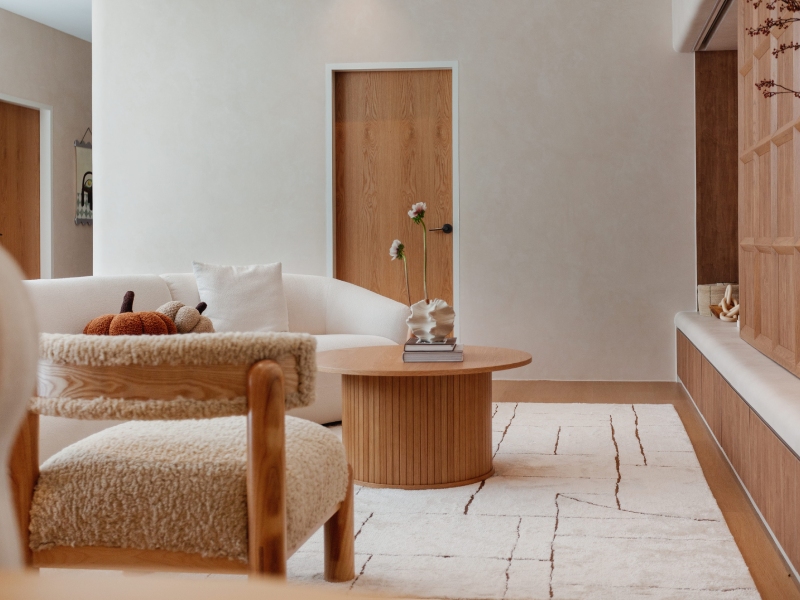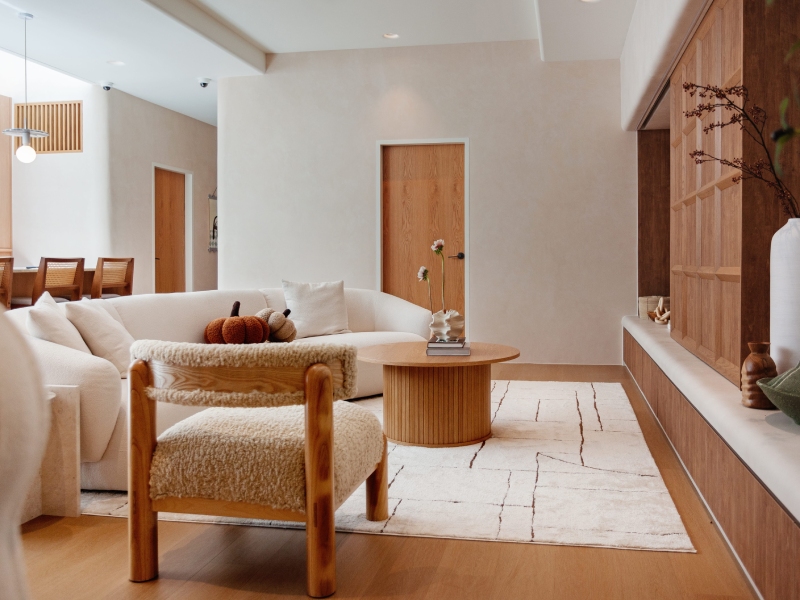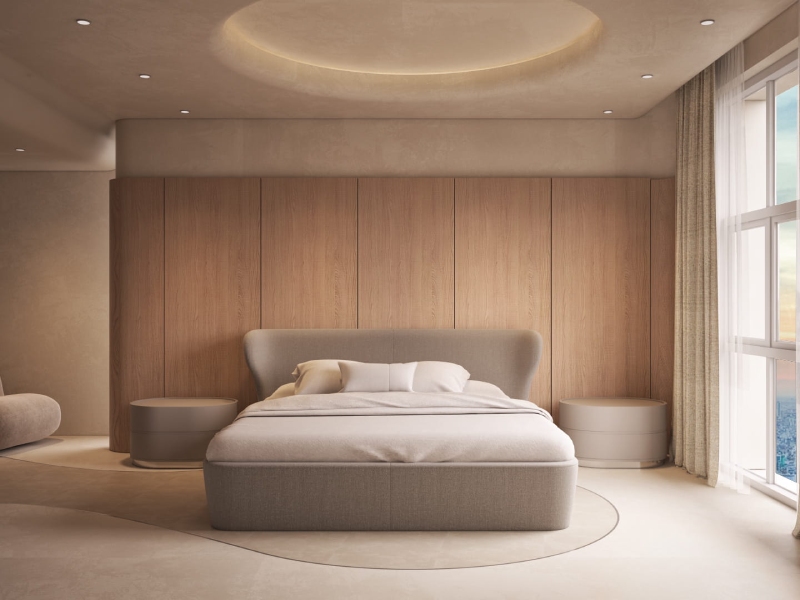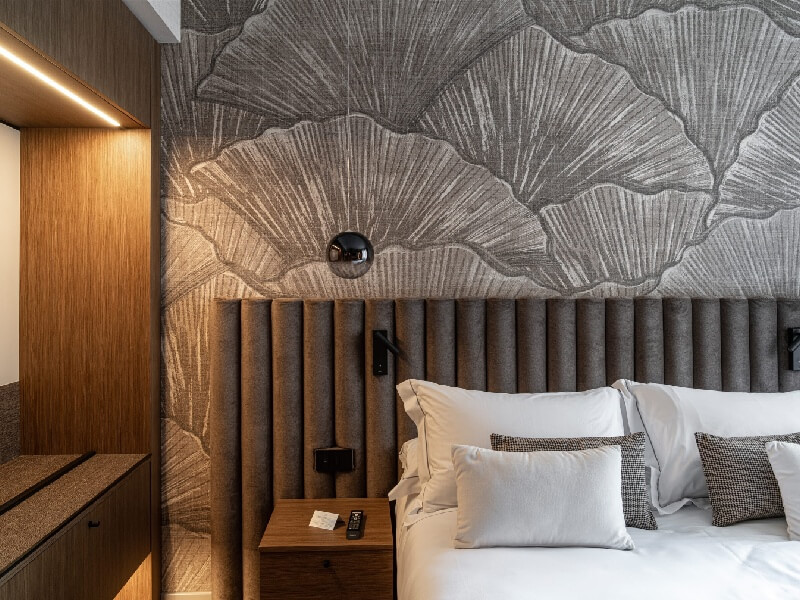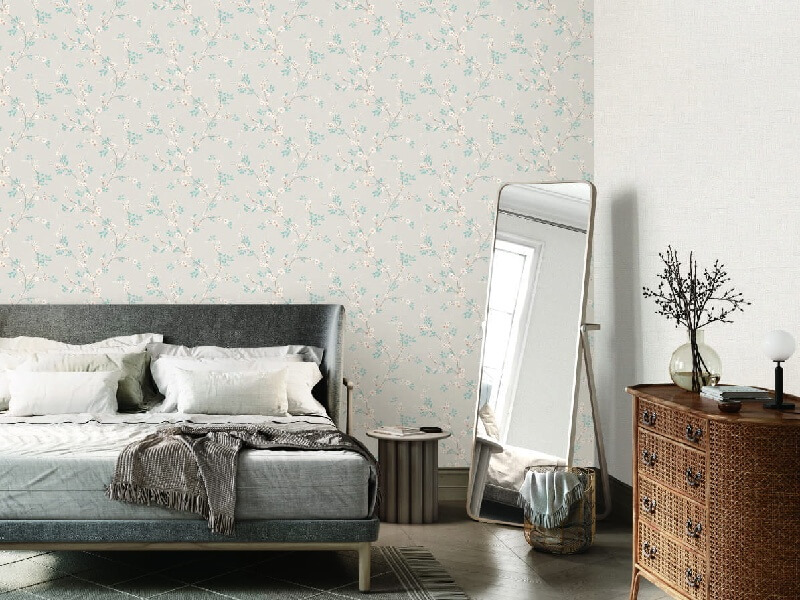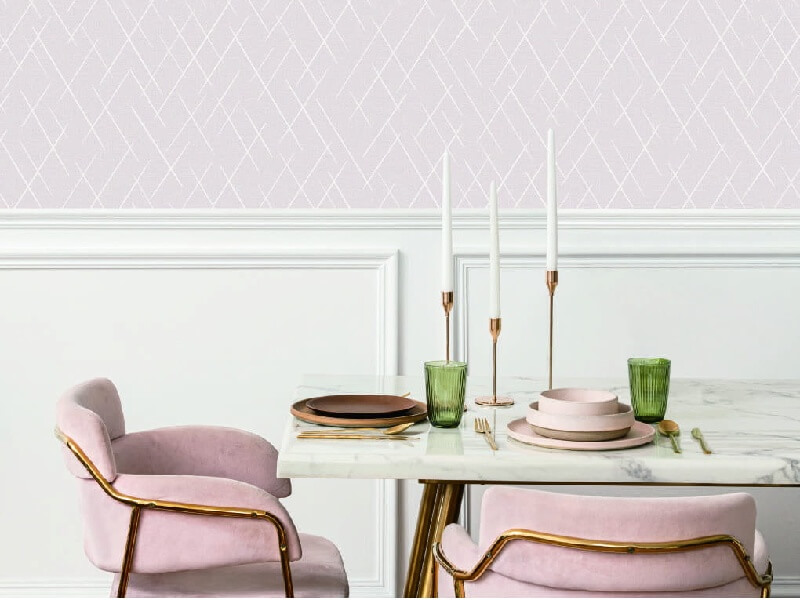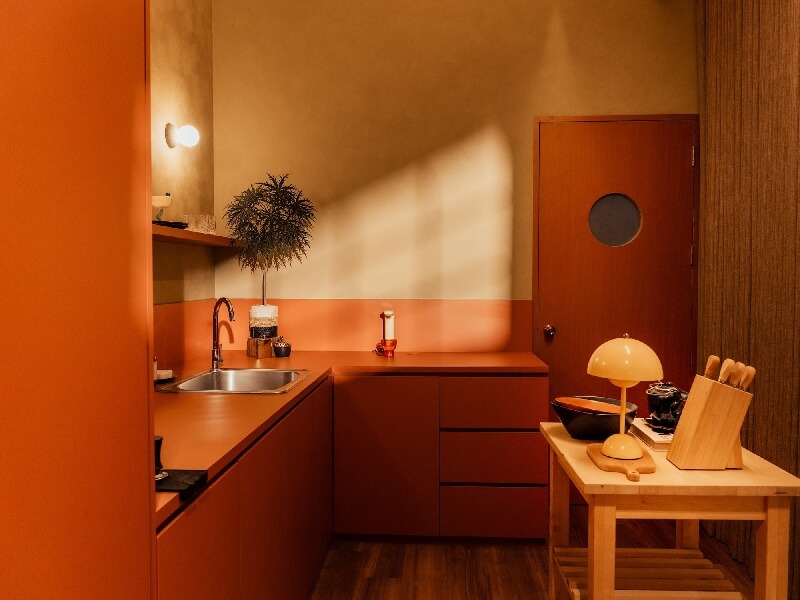
Walk past any older landed property after a long wet spell and you can usually read its history off the front wall: streaks below the window sills, a greenish tinge on the shaded side, a patch where someone touched up the paint and never quite matched it. Exterior surfaces here take a beating that interior walls never see.
That is the context for choosing a textured coating for exterior walls instead of ordinary masonry paint. A textured system adds physical depth to a facade, and the better formulations are built to tolerate the movement of the substrate instead of cracking the first time the wall expands in the afternoon heat.
What The Climate Actually Does To A Facade
Singapore records a long-term mean annual rainfall of 2,113.3mm across roughly 171 rain days, with humidity sitting high all year round. Walls are wet, then baked, then wet again, often within the same day.
That cycle drives two problems. Repeated wetting and drying works away at hairline cracks until water finds a route behind the finish, and persistent surface moisture in shaded spots gives algae and mould somewhere comfortable to settle.
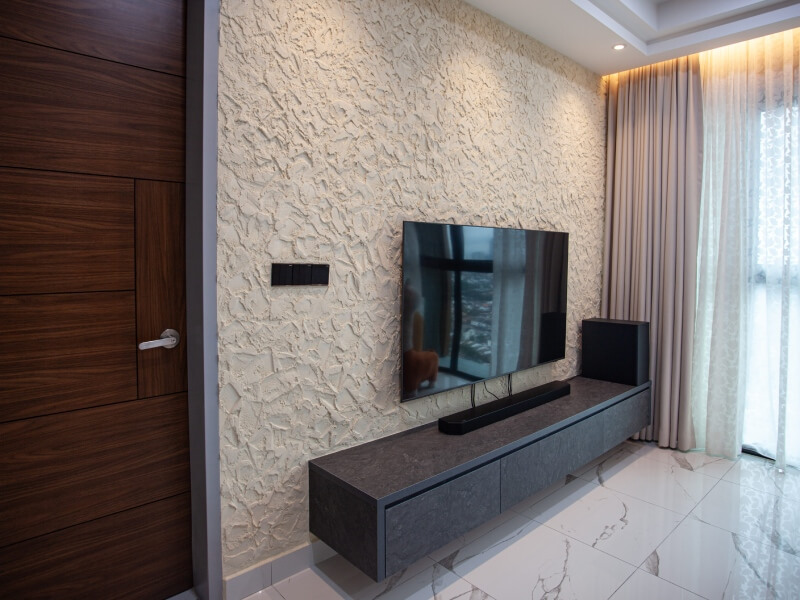
A flat paint film shows both of these clearly, since any variation in colour or sheen stands out across a smooth surface. A textured finish breaks up the light and disguises minor variation, which is part of why it tends to age more gracefully on a tropical facade.
Where Textured Coatings Earn Their Place
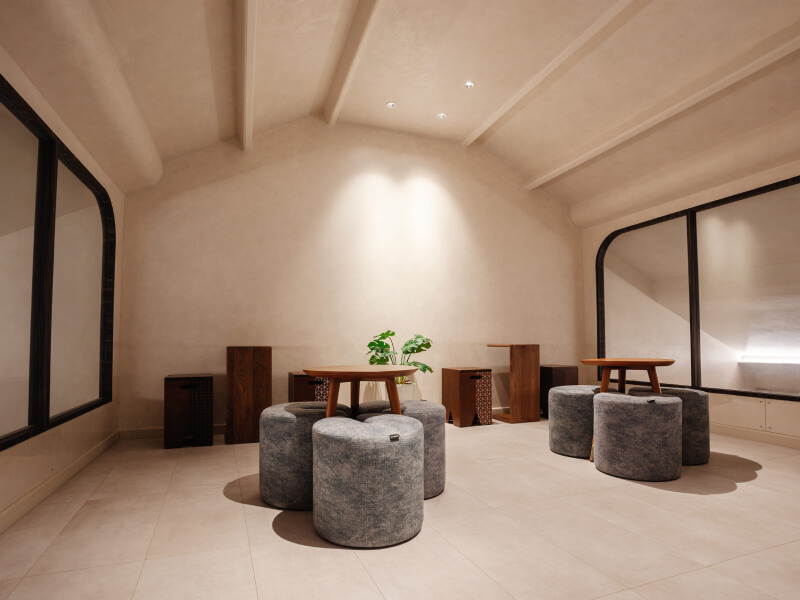
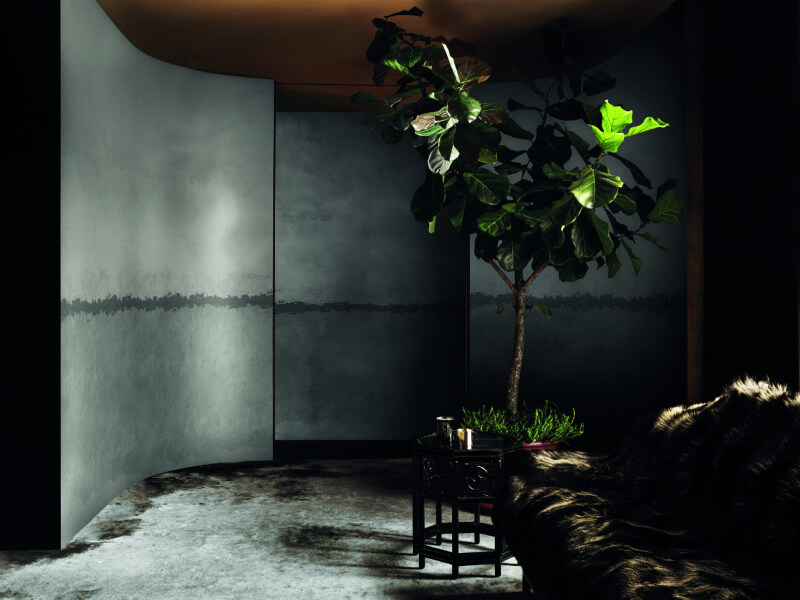
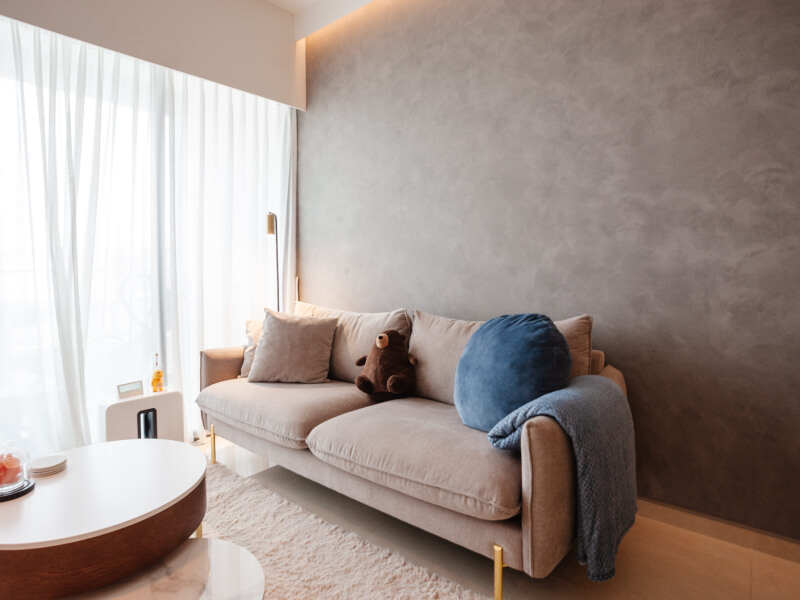
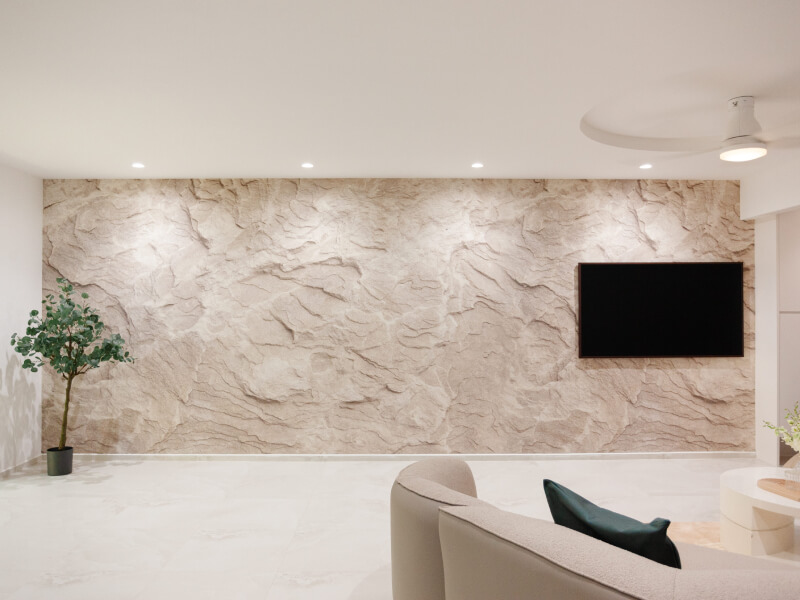
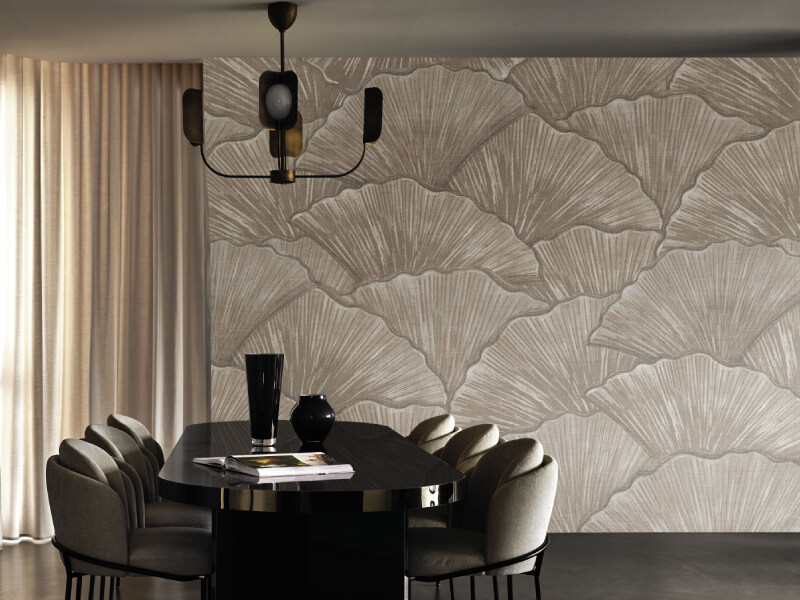
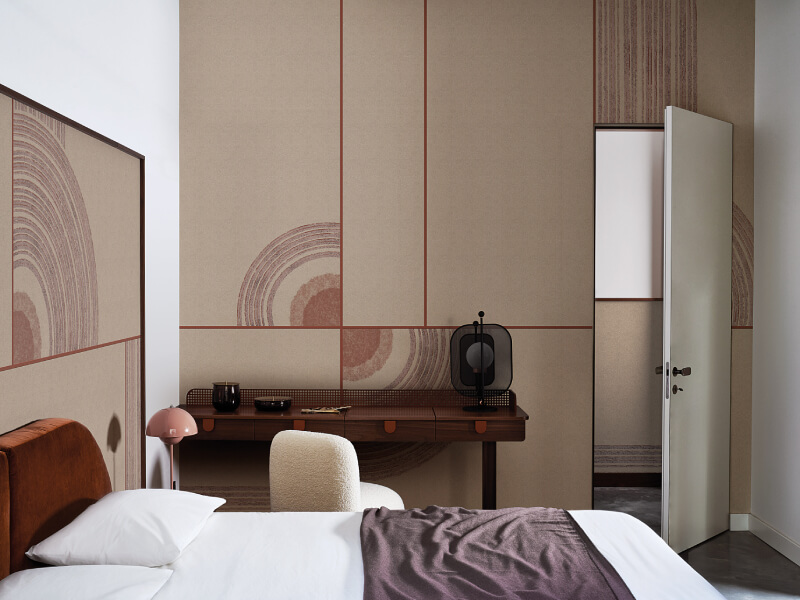
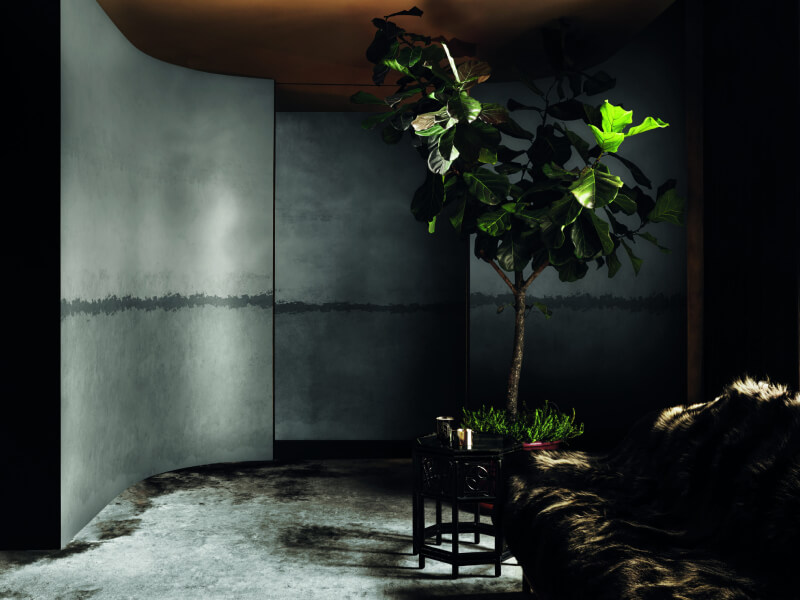
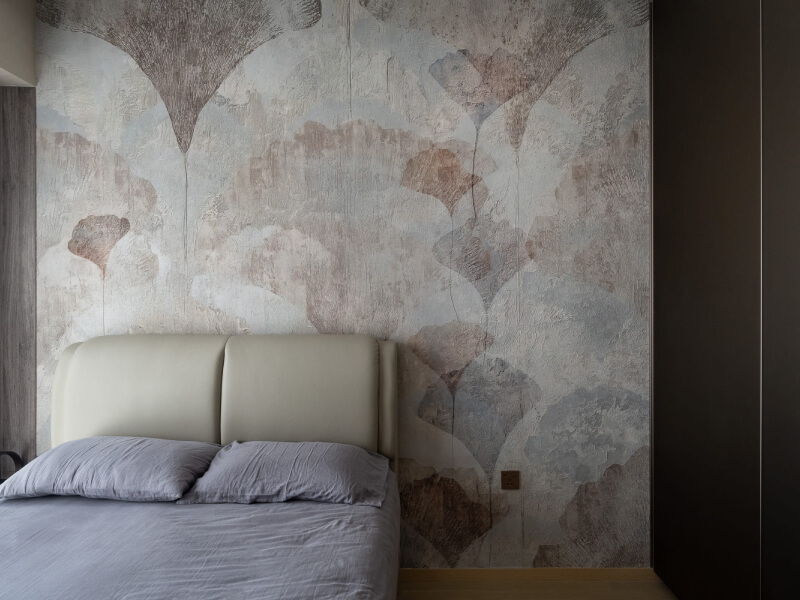
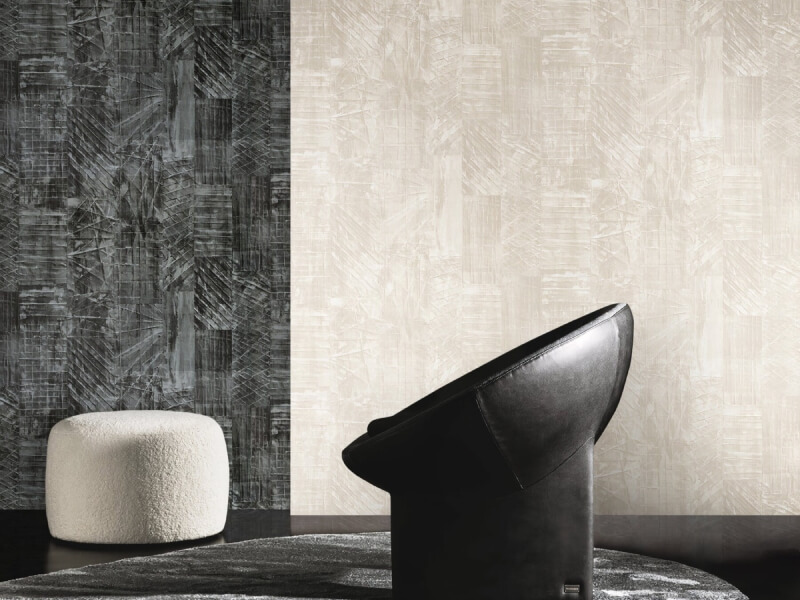
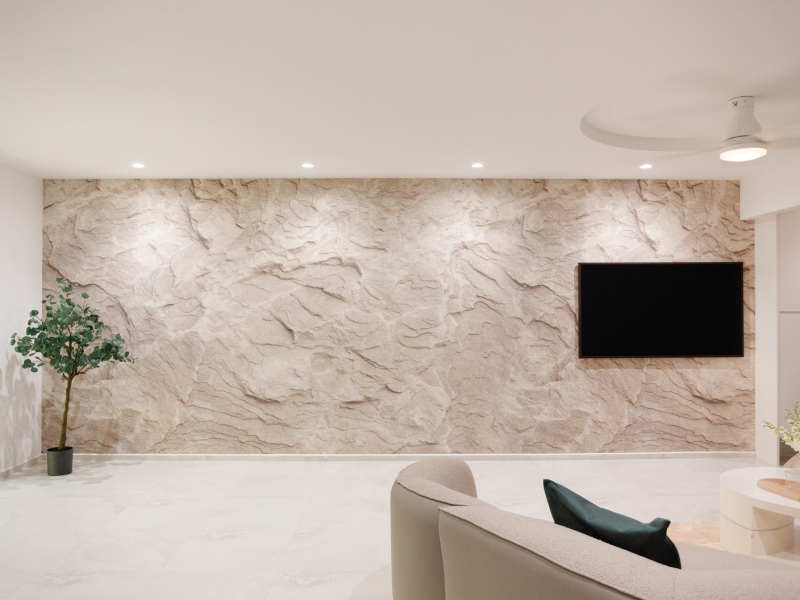
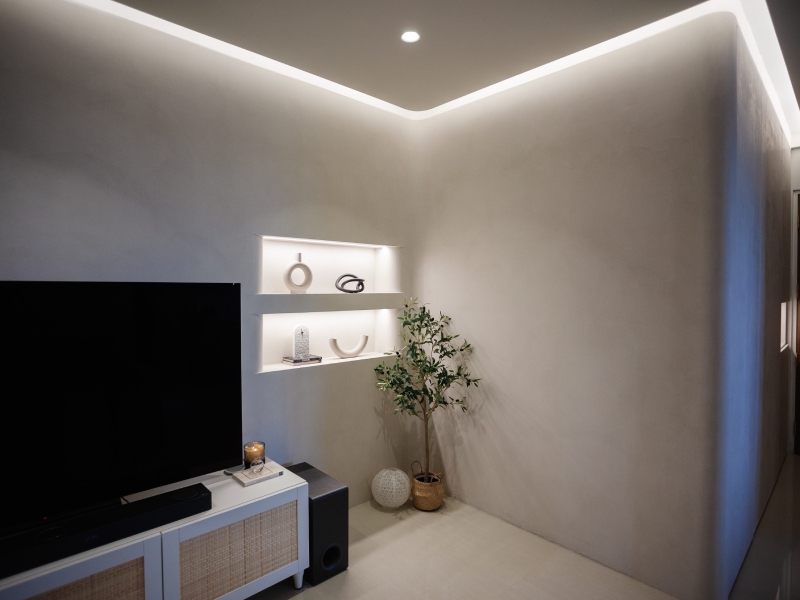
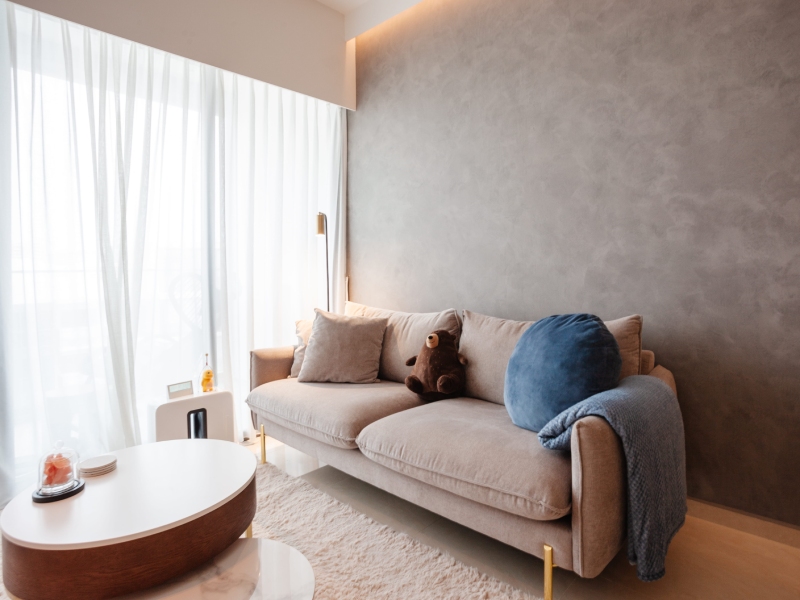
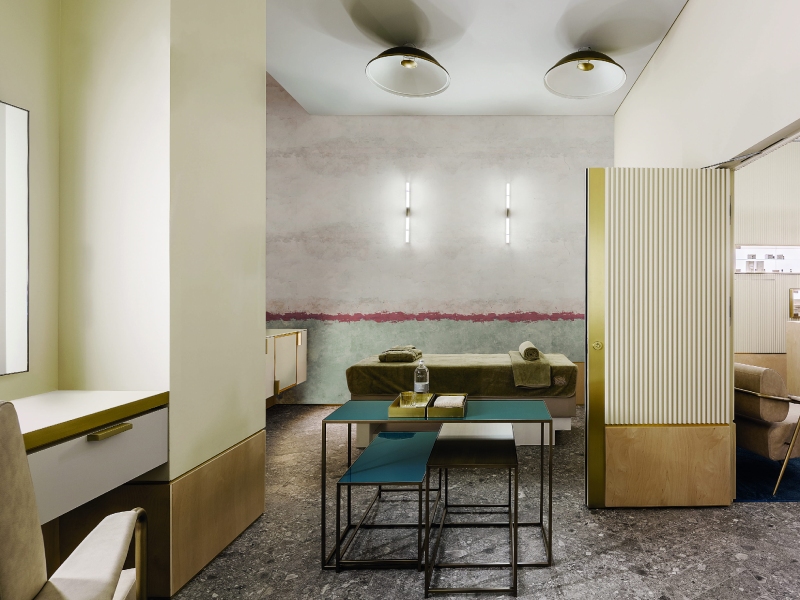
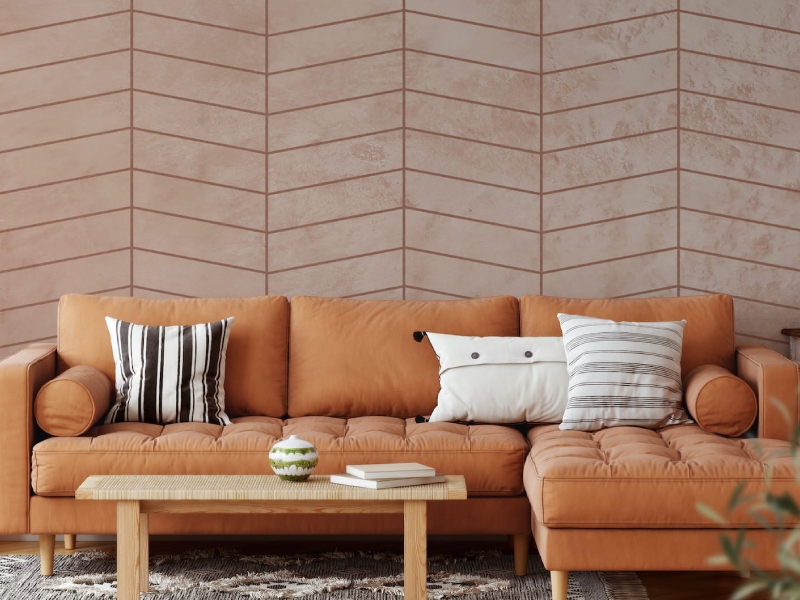
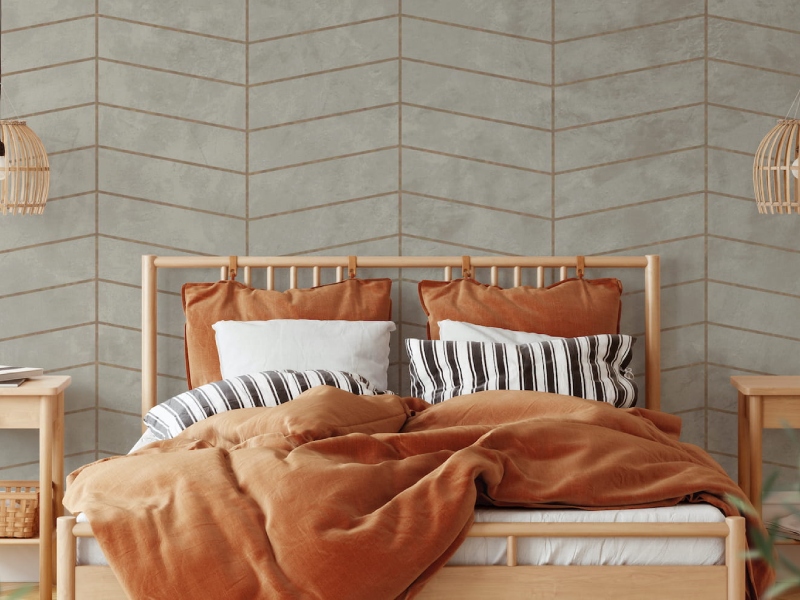
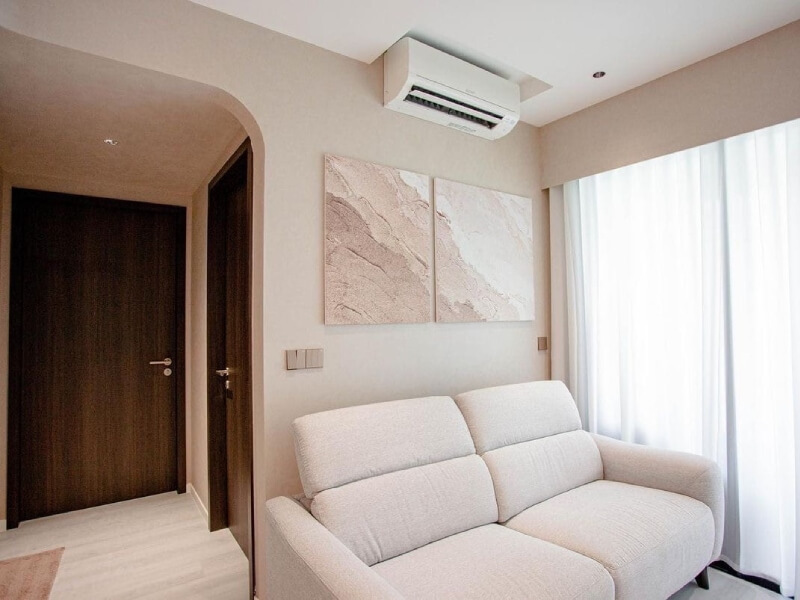
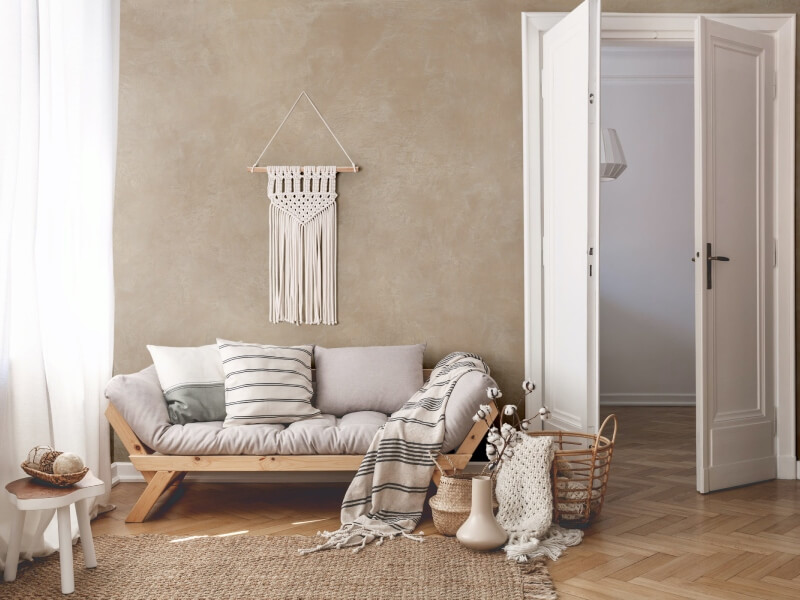
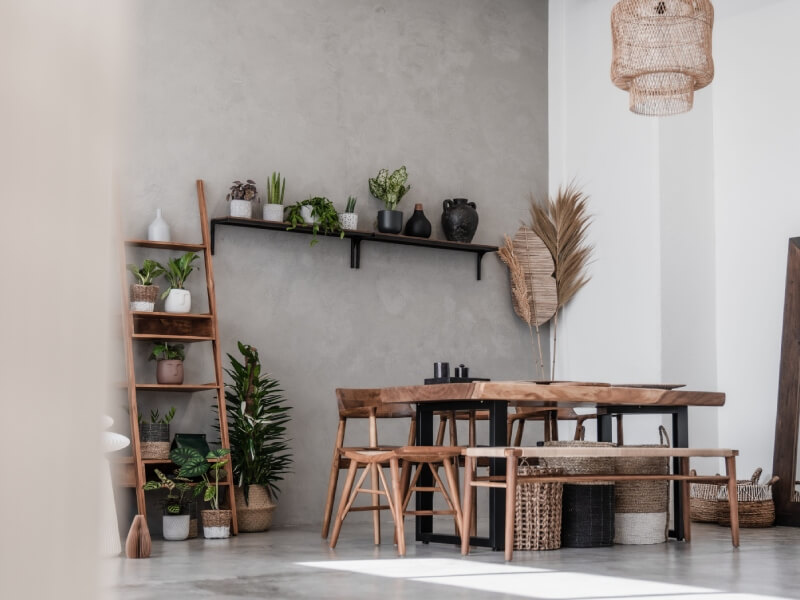
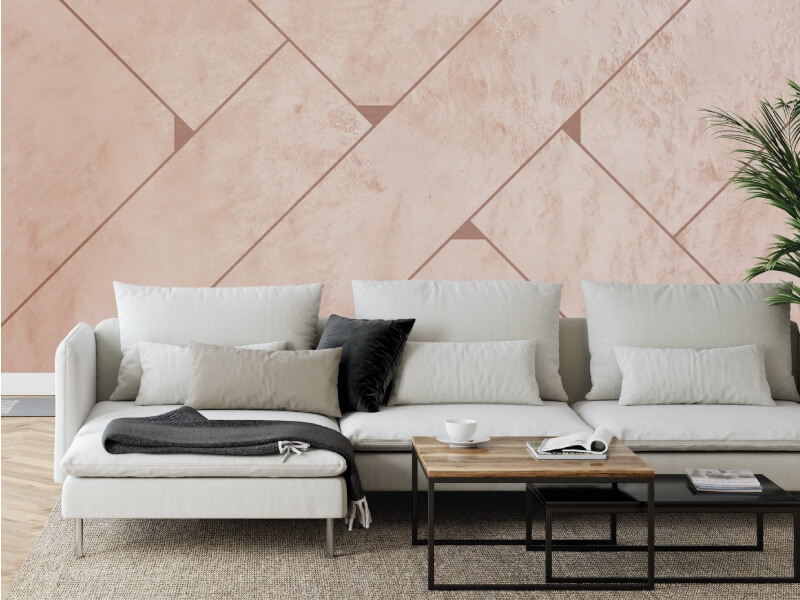
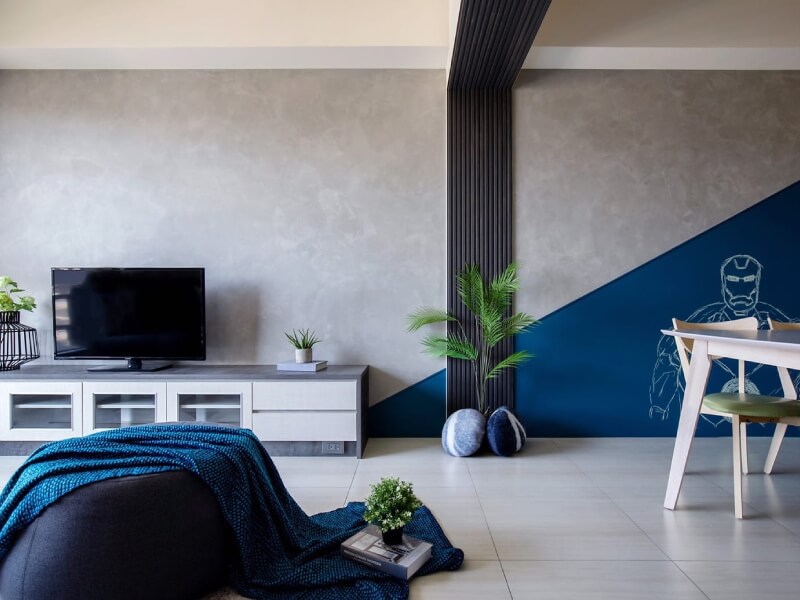
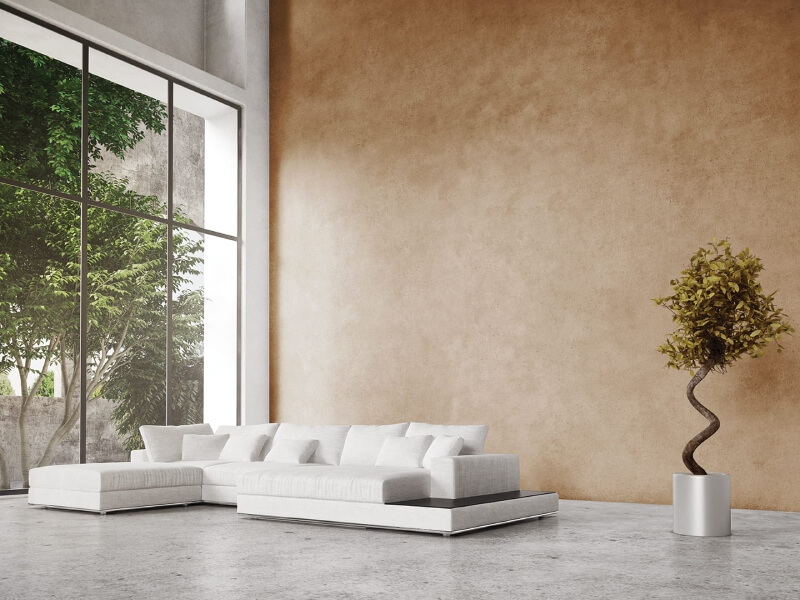
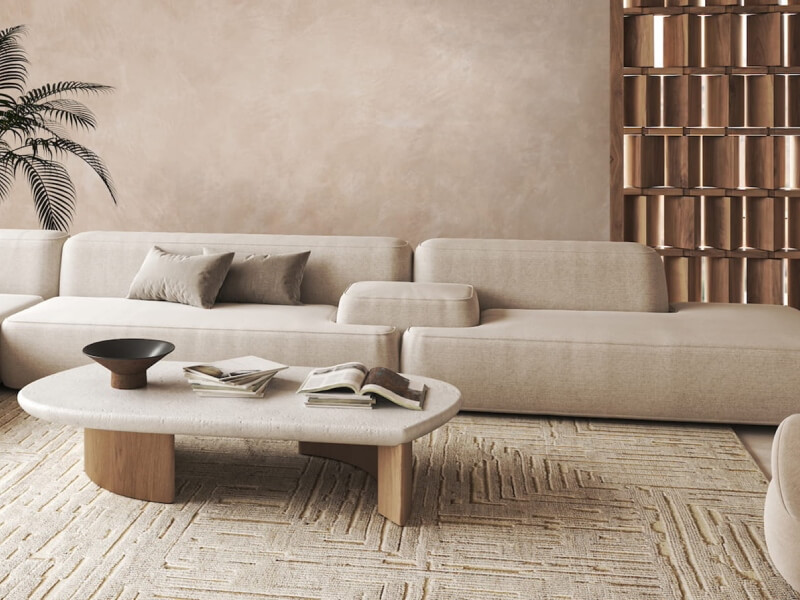
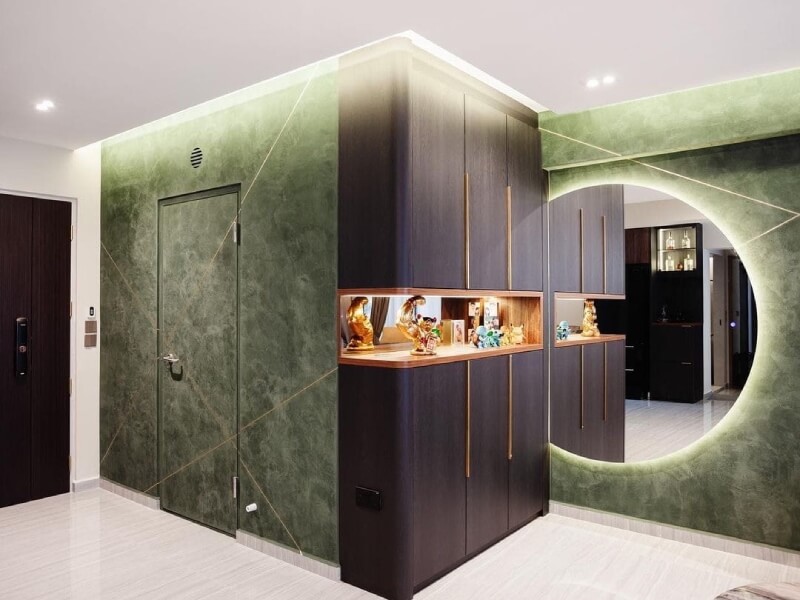
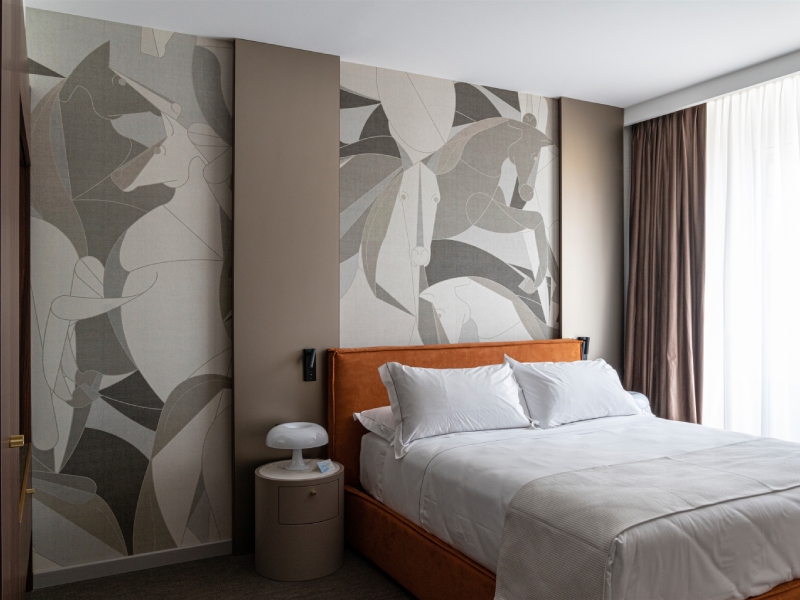
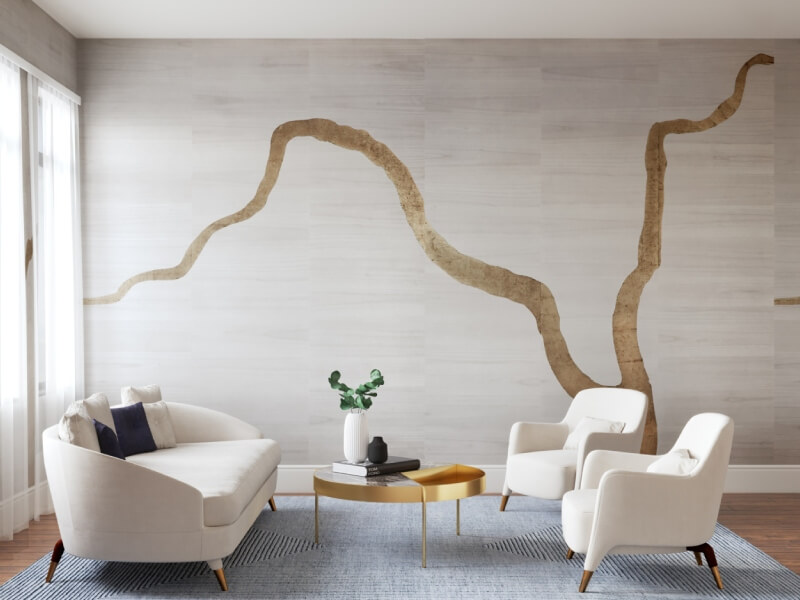
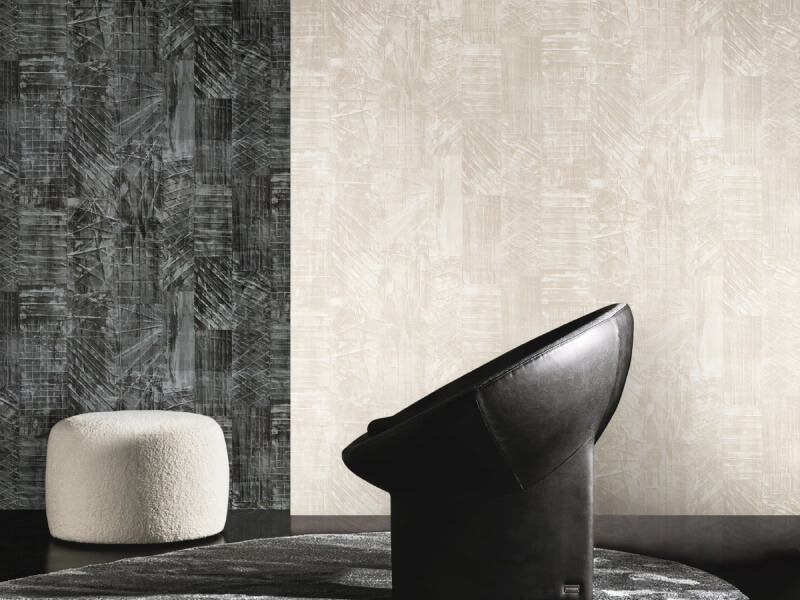
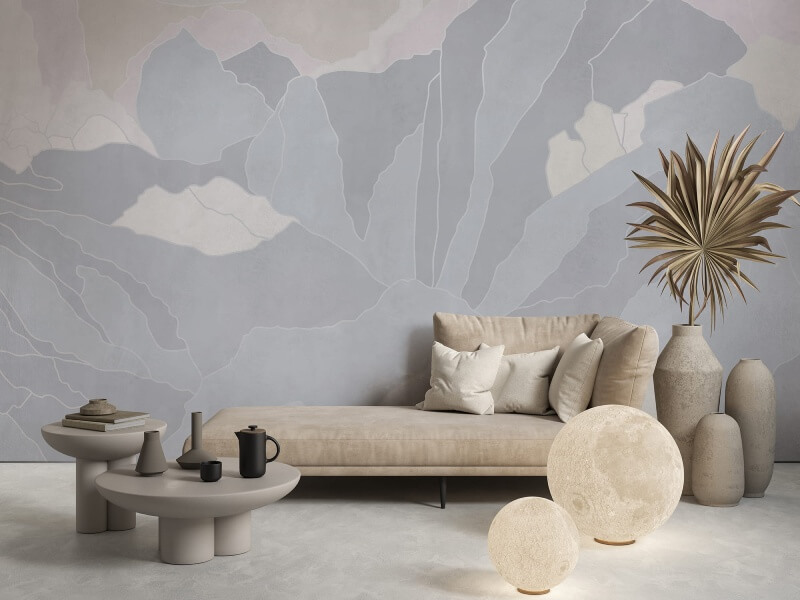
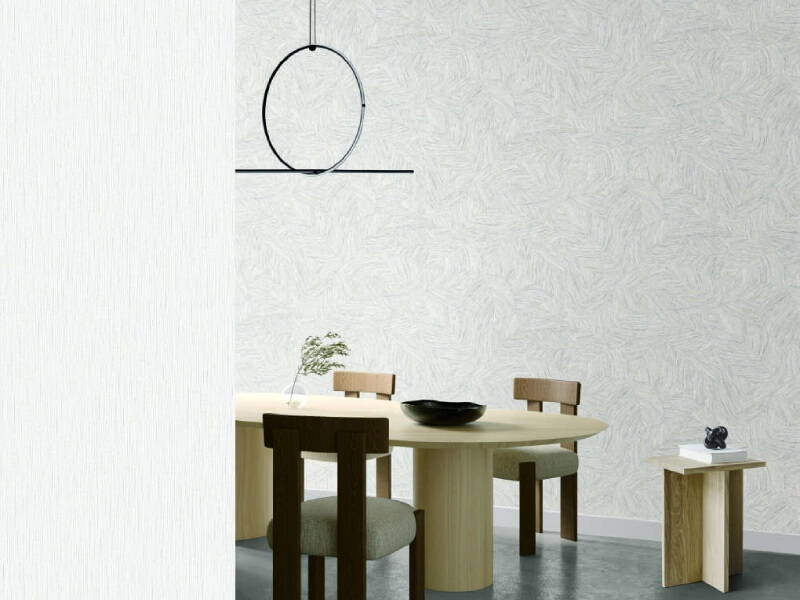
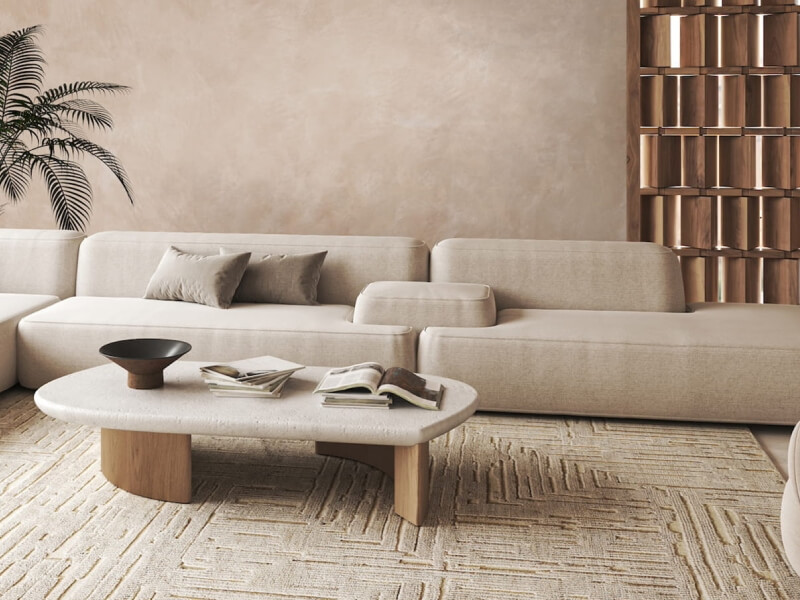
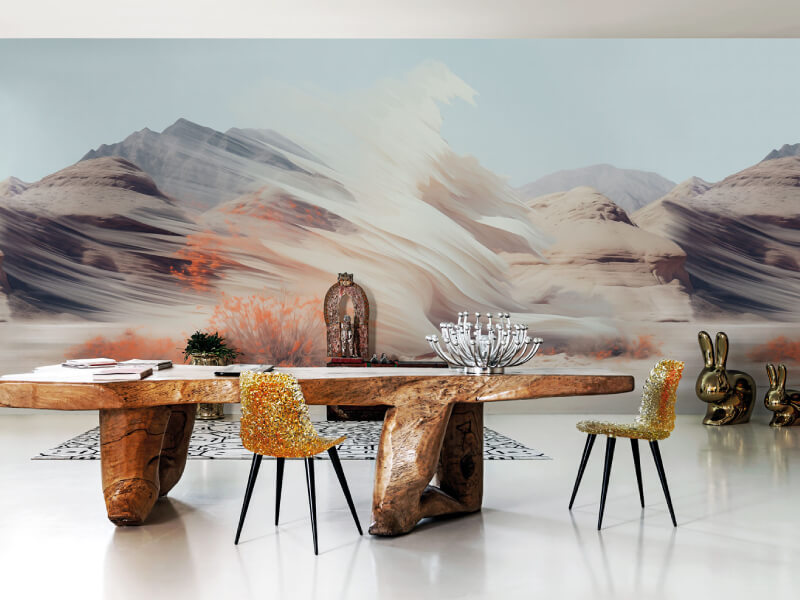
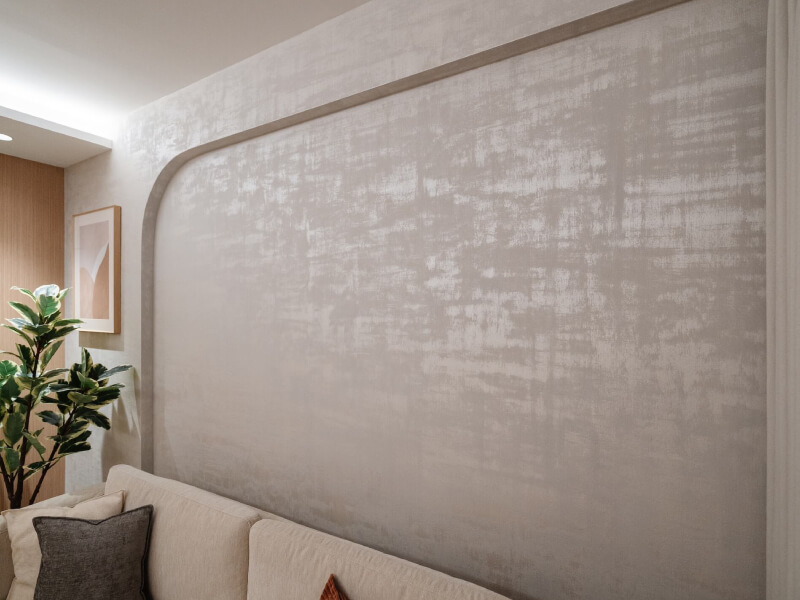
Wallhub’s textured coating range runs in two directions. Takumi Coating takes a wabi-sabi approach with organic textures and earthy pigments across nine options, including Archi, Basalt, Canyon, Oro, Popcorn, Urban, Voyage, Wabi and Zen, and is formulated to be crack-resistant and durable over time. Minerals Coating works from granite chips and mineral blends to produce a natural stone effect, available as Mineral Fine, Mineral Rock and Mineral Flakes, with low VOC and formaldehyde-free credentials.
Both systems are specified for indoor and facade applications and are engineered for Singapore and Malaysia’s climate. Application is handled by trained in-house craftsmen, which influences the result more than most people expect, since keeping a texture consistent across a large elevation is largely a question of technique.
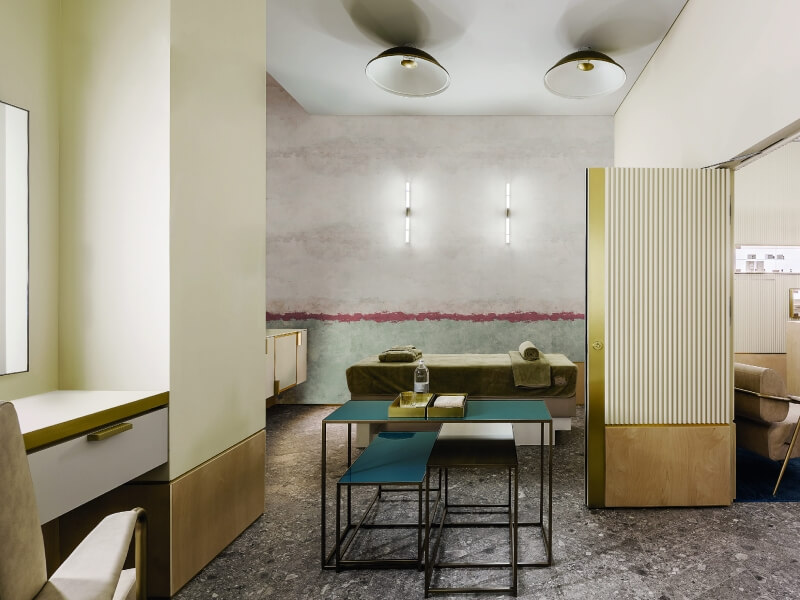
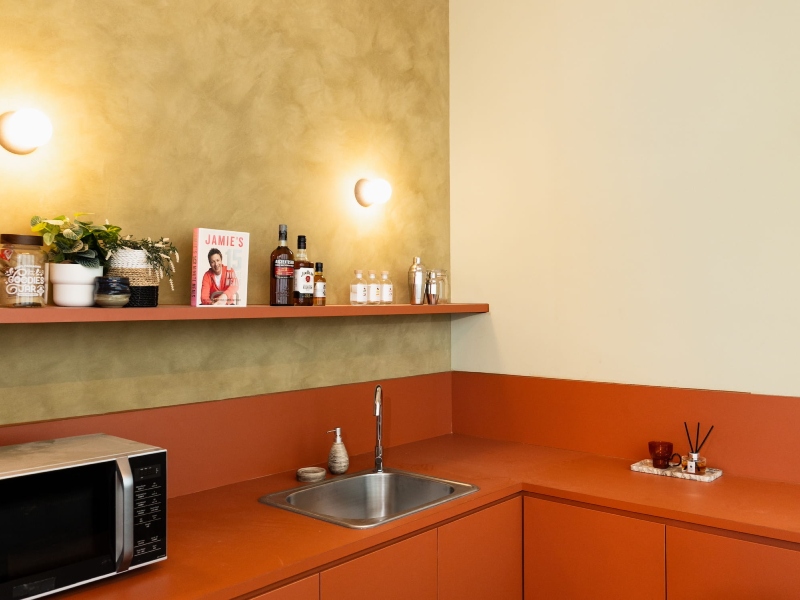
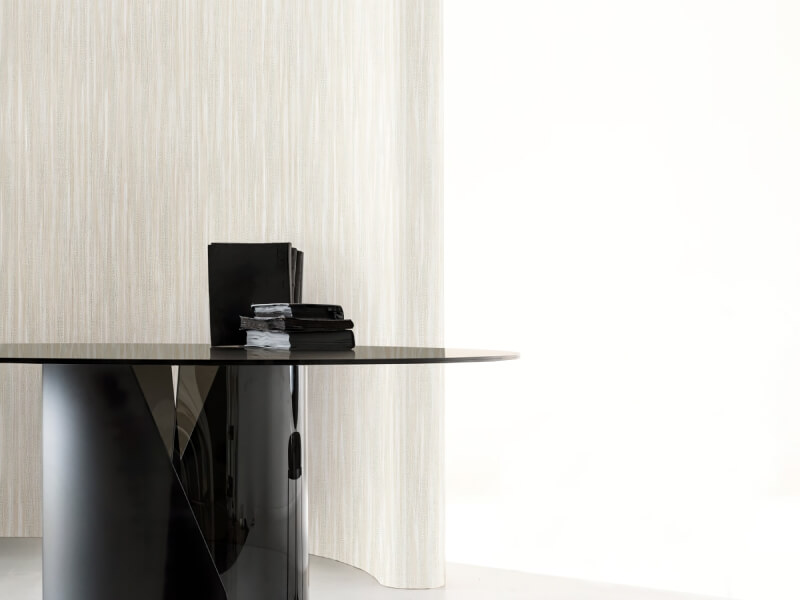
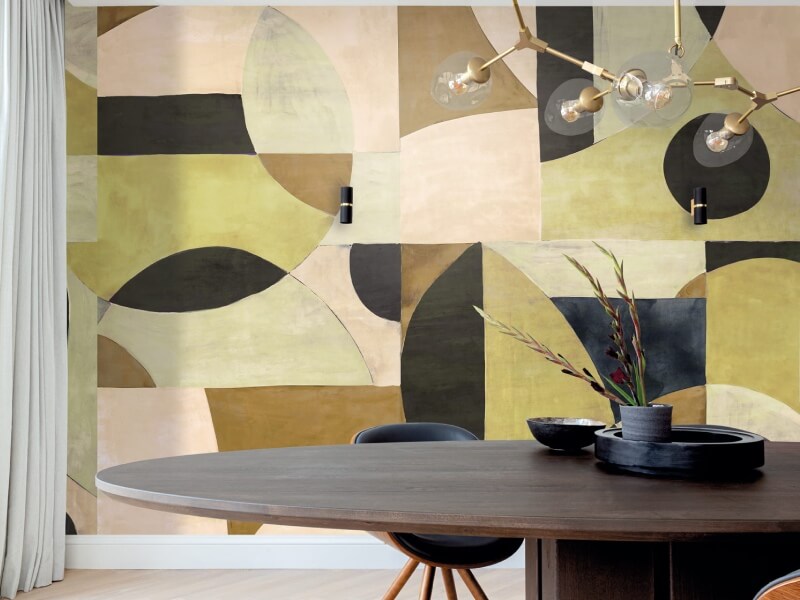
Colour behaves differently on a textured facade too. Pigment settles into the low points and catches the light on the raised ones, so a single shade reads as a range of tones across the day. That variation is flattering on a large elevation, where a flat colour can end up looking slightly like a computer rendering.
Scale is a factor when choosing between the two ranges. A fine mineral finish keeps a modern facade crisp and reads as a solid surface from the street, while a coarser organic texture suits older architecture and boundary walls, where a handmade quality is part of the appeal.
Texture Choice Is A Maintenance Decision
Deeper textures hide imperfection beautifully and hold onto dirt a little more willingly. Finer textures stay cleaner but reveal substrate movement sooner. Neither is universally the right answer, and the honest way to choose is to think about how the wall will be cleaned, and how often anyone will realistically get round to doing it.
Orientation feeds into this as well. A shaded elevation that never dries fully benefits from a finish that sheds water quickly, while a sun-exposed wall is more concerned with colour stability over the years. Walking the property at two different times of day before choosing is a small effort that prevents a great deal of regret.
Comparing the character of different decorative systems helps too, and the distinctions drawn in limewash vs venetian plaster carry over usefully when you are weighing a mineral texture against a smoother trowelled one.
Preparation Decides The Lifespan
Whatever finish goes on top, the substrate underneath sets the clock. A sensible sequence before any coating is applied looks something like this:
- Wash down the wall and let it dry fully, since trapped moisture undermines adhesion
- Remove loose or flaking material back to a sound surface
- Trace cracks before filling them, because a crack that keeps reopening is telling you something about movement behind the wall
- Check and repair sealant around window frames, copings and render joints
- Clear blocked gutters and downpipes that have been feeding water onto the elevation
Skipping the water ingress checks is the most common false economy. A blocked gutter or a failed frame seal will defeat even an excellent coating, usually within a year or two of application, and the repair then costs more than the original preparation would have.
For Larger Buildings
Owners of larger properties have an additional consideration. Under the Building and Construction Authority’s Periodic Facade Inspection regime, buildings more than 20 years old must be inspected every seven years by an appointed competent person, with any defects repaired.
A recoating exercise is often a sensible moment to address findings from an inspection, since access equipment is already in place and the cost of scaffolding or gondola hire is being spent anyway.
Commercial and hospitality owners also tend to care about downtime. Coordinating the schedule around quieter trading periods, and understanding how long each elevation needs to cure before it can take rain, keeps disruption manageable.
Getting The Right Finish On Your Walls
Choosing a facade finish is a long-term decision, and the useful conversations happen in front of physical samples instead of on a screen. Texture, colour depth and the way a surface handles water are all far easier to judge with the material in your hands.
Wallhub offers complimentary samples and consultation, and our team can look at your property’s orientation, condition and exposure before recommending a system. Talk to us at the showroom or through the contact page, and we will help you find a finish that still looks good several monsoons from now.