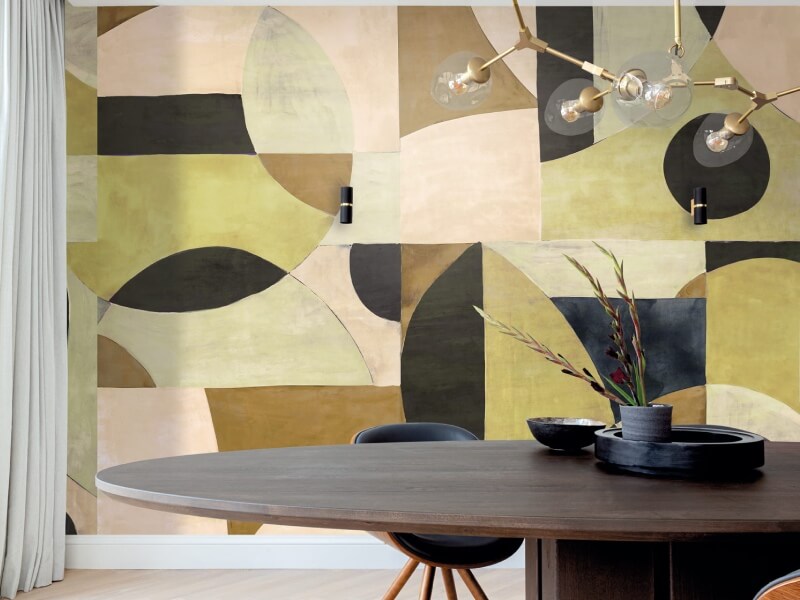
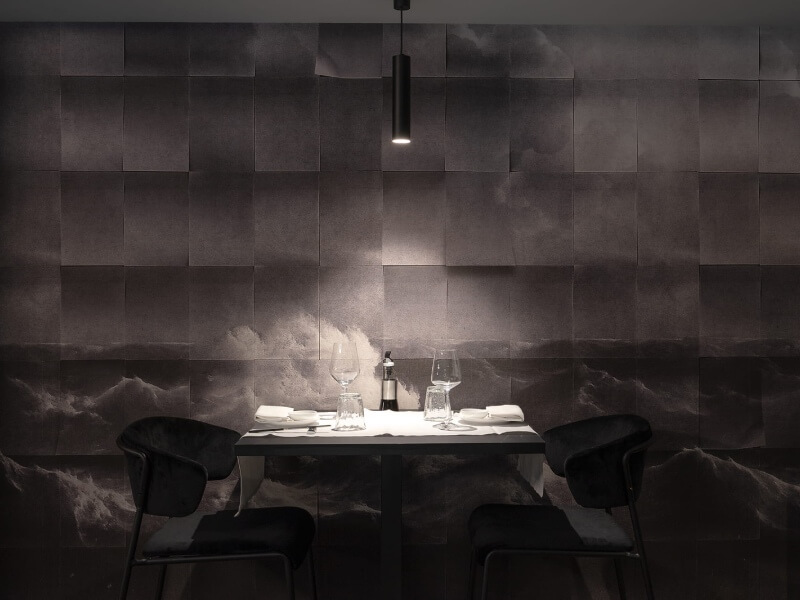
Layering Wallpaper With Festive Textiles for Iftar Gatherings

Layering Wallpaper With Festive Textiles for Iftar Gatherings

Ramadan evenings have a special rhythm. The day slows down, the table fills up, and homes open their doors to family and friends for iftar. While food is always the centrepiece, the setting matters more than we sometimes realise. The right backdrop can make a simple meal feel warm, intentional and memorable.

One of the easiest ways to elevate your space for iftar gatherings is by layering wallpaper with festive textiles. It sounds like something only interior designers would attempt, but it is surprisingly achievable. With a little thought and balance, you can create a home that feels cosy, elegant and welcoming.

Let’s walk through how to do it in a way that feels natural, not overwhelming.

Start With the Walls: Choosing the Right Wallpaper

Start With the Walls: Choosing the Right Wallpaper

Walls set the tone before guests even notice the cushions or tableware. A thoughtfully chosen wallpaper can bring depth, warmth and character to your dining or living area.

If you are exploring wallpaper in Singapore, you will notice how varied the options are. From subtle textured neutrals to bold geometric and floral prints, there is something for every style. For iftar gatherings, the goal is usually to create a sense of warmth and hospitality rather than drama.

Here are a few approaches that work beautifully:

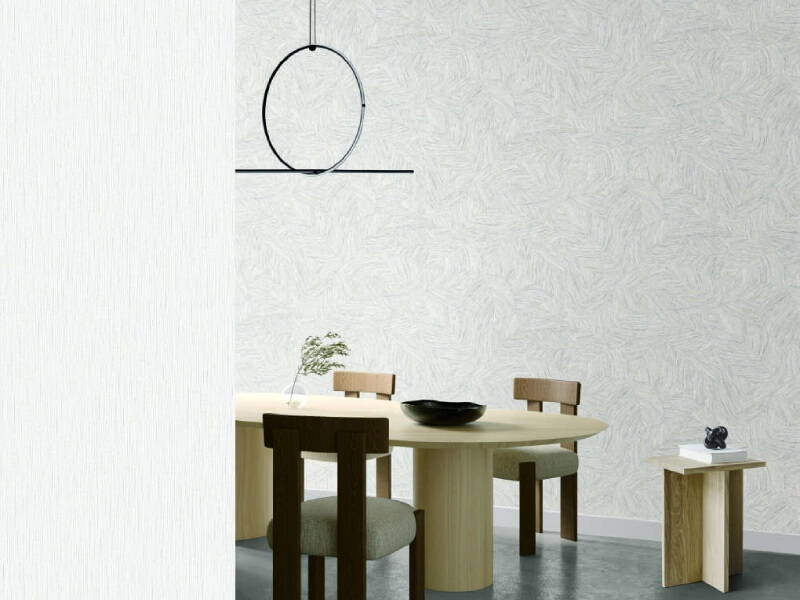
  • Soft neutrals with texture – Think linen-effect, grasscloth-inspired prints or light embossed patterns. These add dimension without competing with colourful textiles.
  • Subtle Islamic-inspired motifs – Geometric patterns in muted gold, sage or deep blue can feel festive without being loud.
  • Warm earthy tones – Sand, terracotta, olive and soft taupe help create a grounded, calming atmosphere after a long day of fasting.

One practical thing to check for when buying wallpaper is the material and finish. For dining areas, wipeable and durable options are useful, especially if you expect lively family gatherings with children. You want beauty, but you also want practicality.

Think of Wallpaper as the Foundation

Layering works best when one element acts as the foundation. In this case, your wallpaper is the backdrop. Everything else should complement it, not compete with it.

If your wallpaper has a pattern, keep your textiles slightly simpler. If your wallpaper is plain or lightly textured, you can be more adventurous with fabrics.

Ask yourself:

  • Is the wall already visually busy?
  • What is the dominant colour?
  • Does the space feel small or spacious?

Answering these questions helps you avoid over-layering. The aim is harmony, not clutter.

Bringing in Festive Textiles

Bringing in Festive Textiles

Textiles are where you can really embrace the spirit of Ramadan and Hari Raya. They add softness, comfort and personality. Best of all, they are easy to switch out once the season ends.

1. Table Runners and Cloths

For iftar, the dining table becomes the heart of the home. A rich table runner can transform even a simple wooden table.

If your wallpaper is neutral, consider:

  • Deep emerald green
  • Midnight blue
  • Burgundy
  • Mustard or muted gold

If your wallpaper already features strong colours or patterns, opt for solid-coloured runners in complementary shades.

Layering tip: Place a slightly textured runner over a plain tablecloth for depth. The contrast in fabric adds visual interest without overwhelming the space.

2. Cushions and Floor Seating

Many families in Singapore mix traditional and modern seating during iftar. Even if you have a formal dining table, extra floor cushions in the living room encourage relaxed conversations after the meal.

Choose cushion covers that:

  • Pick up one colour from the wallpaper
  • Introduce one contrasting festive tone
  • Vary in texture (velvet, cotton, woven, embroidered)

If your wallpaper has geometric patterns, soft floral or plain cushions can balance it. If your wallpaper is plain, embroidered or patterned cushions can shine.

The key is repetition. Repeat at least one colour from the walls in your cushions to create visual flow.

3. Curtains and Drapery

Curtains are often overlooked, but they can tie everything together.

Sheer curtains layered with heavier drapes feel especially inviting in the evenings. As the sun sets and the lights come on, the soft folds of fabric create a warm glow.

If your wallpaper is patterned:

  • Choose plain curtains in a complementary tone.

If your wallpaper is subtle:

  • Consider curtains with a gentle motif or light metallic thread for a festive touch.

Avoid matching everything too perfectly. A little contrast makes the room feel curated rather than staged.

Balancing Pattern With Pattern

Balancing Pattern With Pattern

One common fear when layering wallpaper with textiles is pattern overload. It is a valid concern. However, there is a simple rule you can follow:

Vary the scale

If your wallpaper has a small, intricate pattern, pair it with larger, simpler motifs in your textiles. If the wallpaper has bold, large shapes, choose finer, understated fabric designs.

Mixing patterns works when:

  • Colours are related.
  • The pattern sizes differ.
  • There is enough “plain” space to let the eye rest.

For example, a soft geometric wallpaper in beige and gold can pair beautifully with:

  • A deep green velvet cushion
  • A cream embroidered table runner
  • Gold-accented placemats

Nothing has to shout. Everything just needs to converse gently.

Lighting Makes the Layers Come Alive

Lighting Makes the Layers Come Alive

Wallpaper and textiles look different under various lighting conditions. During Ramadan, much of the atmosphere unfolds at dusk.

Warm lighting enhances earthy wallpaper tones and makes rich fabrics feel even cosier. Consider:

  • Table lamps with warm bulbs
  • String lights along a feature wall
  • Lantern-inspired lighting pieces
  • Candles for soft flicker (safely placed)

Lighting highlights textures. The slight sheen of wallpaper, the softness of velvet cushions and the weave of a table runner all become more pronounced.

Creating Intimacy Without Overcrowding

Iftar gatherings can range from small family meals to larger open-house events. Regardless of size, comfort matters.

Layering should never reduce movement space. Avoid:

  • Overfilling the room with too many cushions.
  • Covering every surface with fabric.
  • Clashing bold wallpaper with equally bold drapery and rugs.

Sometimes restraint is what makes a home feel refined.

Step back and look at your space as if you were a guest walking in for the first time. Does it feel calm? Does it feel inviting? Or does it feel visually busy?

If it feels busy, remove one layer. Often, less is more.

After Ramadan: Making It Last

After Ramadan: Making It Last

The beauty of investing in wallpaper is that it stays beyond the festive season. Textiles can change, but your walls continue to provide structure and warmth.

When Ramadan ends, simply swap:

  • Rich velvet cushions for lighter cotton ones.
  • Deep-coloured runners for fresh, neutral tones.
  • Lantern-style décor for everyday pieces.

Your wallpaper remains the steady foundation, making seasonal transitions effortless.

A Home That Feels Ready to Welcome

Iftar is not just about food. It is about connection. It is about slowing down, gathering around the table and sharing moments that matter.

Layering wallpaper with festive textiles allows you to create that atmosphere without major renovations. It is a thoughtful way to refresh your space while keeping it personal and comfortable.

If you are planning to update your walls before the next gathering, explore designs that reflect your style and the mood you want to create. A well-chosen wallpaper can transform your home into a space that feels ready to welcome.

Discover curated designs and expert advice at Wallhub and start creating a backdrop that makes every iftar gathering feel truly special.

Think Twice Before Adding Wallpaper to These Areas

Think Twice Before Adding Wallpaper to These Areas

Wallpaper can completely transform a room. A bold botanical print can breathe life into a tired living space. A soft textured finish can add warmth to a minimalist bedroom. With so many colours, patterns and finishes available today, it’s easy to see why more homeowners are embracing wallpaper again.

Yet not every wall is the right wall. While wallpaper can elevate a space, placing it in the wrong area can lead to peeling edges, trapped moisture, cleaning headaches and even regrets when it comes time to sell. Before you commit, it’s worth pausing and asking: is this surface really suitable?

If you’re considering wallpaper in Singapore, climate, layout and lifestyle all play a part. Heat and humidity aren’t just minor inconveniences here, they also influence how well materials perform over time. Let’s look at the areas where you might want to think twice.

Bathrooms With High Moisture Levels

Bathrooms With High Moisture Levels

Bathrooms seem like an obvious place for design creativity. A striking print behind the mirror or along a feature wall can look beautiful on Pinterest. However, bathrooms are one of the riskiest places for wallpaper.

Steam from hot showers seeps into the air and settles on walls. Over time, that moisture can loosen adhesive, cause bubbling, or lead to mould growth beneath the surface. Even so-called “moisture-resistant” wallpaper isn’t immune if ventilation is poor.

If your bathroom has no window or limited airflow, wallpaper may struggle to last. Small powder rooms with good ventilation are a safer bet, but full bathrooms used daily by a family can be unforgiving environments.

Kitchens Near Cooking Zones

Kitchens are the heart of the home, but they’re also hotspots for heat, grease and splashes. Installing wallpaper directly behind a hob or sink may look stylish at first, but daily cooking tells a different story.

Oil particles from frying can cling to surfaces. Steam from boiling pots adds humidity. Even careful cooks can’t completely avoid splatters. Unlike tiles or glass backsplashes, wallpaper isn’t designed for heavy scrubbing. Repeated wiping can wear down the finish and dull the design.

If you love the look, consider limiting wallpaper to a dining nook or a wall far from direct cooking zones. Pair it with practical, easy-clean surfaces where needed.

Walls Exposed To Direct Sunlight

Walls Exposed To Direct Sunlight

Natural light is wonderful for brightening interiors, but prolonged sun exposure can fade wallpaper. South- and west-facing windows often receive intense afternoon sun, and over months or years, colours may lose their vibrancy.

Darker tones and bold prints tend to show fading more obviously. Adhesive can also weaken if heat builds up on the surface. This doesn’t mean you must avoid wallpaper entirely in bright rooms, but think carefully about placement. Using blinds or UV-filtering window films can help, though it’s not a complete solution.

Children’s Rooms That Change Often

Children grow quickly, and so do their tastes. That dinosaur mural your five-year-old adores today may feel “babyish” by the time they turn eight.

Wallpaper is more permanent than paint. Removing it can be time-consuming and sometimes damages the wall beneath, especially if the installation wasn’t done properly. If you anticipate frequent style changes, paint or removable wall decals might be more flexible.

This is especially important if you’re mindful of how renovations might impact your home’s market appeal. Highly personalised wallpaper in bedrooms can make it harder for future buyers to visualise the space as their own.

Ceilings And Uneven Surfaces

Ceilings And Uneven Surfaces

Statement ceilings have gained popularity in recent years. While wallpapering a ceiling can look dramatic, it’s technically challenging. Gravity works against you during installation, and adhesive failure is more likely over time.

Uneven walls are another concern. Bumps, cracks or textured plaster can show through thin wallpaper. What looks smooth in a showroom might highlight imperfections at home.

Proper wall preparation helps, but not every surface can be corrected easily. Sometimes paint or wall panels are a more forgiving option.

Rental Properties With Restrictions

If you’re renting, wallpaper might not be the simplest design upgrade. Many tenancy agreements restrict permanent alterations, and removing wallpaper before moving out can become a stressful (and costly) process.

Even peel-and-stick versions aren’t always risk-free. Adhesive residue or paint peeling during removal can lead to disputes over deposits.

Before making changes, always check with your landlord and consider whether the effort outweighs the benefit.

Laundry Areas And Utility Rooms

Laundry Areas And Utility Rooms

Laundry spaces often deal with humidity, heat and fluctuating temperatures. Dryers release warm air, and washing machines can create condensation. Poor ventilation in compact utility rooms increases the risk of dampness.

Wallpaper in these areas may not hold up well long-term. Practical finishes that resist moisture and are easy to clean are usually safer choices.

Entryways That See Heavy Traffic

Entryways experience constant contact — bags brushing against walls, shoes scraping, guests leaning while removing footwear. Wallpaper in high-traffic zones can scuff or tear more easily than paint.

If you love the aesthetic, consider installing a protective wainscoting panel below or choosing a durable vinyl option designed for heavier wear.

Areas With Existing Damp Issues

No decorative finish will solve underlying damp problems. If a wall already shows signs of moisture, mould or peeling paint, adding wallpaper can trap moisture and worsen the issue.

Always fix the root cause first. Proper waterproofing, sealing cracks or improving ventilation should come before any aesthetic upgrade. Wallpaper is the finishing touch, not a cover-up solution.

When Wallpaper Still Makes Sense

When Wallpaper Still Makes Sense

After all these cautions, it’s important to remember that wallpaper can still be a brilliant design choice when used thoughtfully.

Bedrooms with stable temperatures and low humidity often work beautifully. Living room feature walls away from windows and direct sunlight can create stunning focal points. Home offices can benefit from subtle textures that add warmth without overwhelming the space.

The key is balance. Think about how the room functions daily, not just how it looks in photos. Consider ventilation, cleaning habits, and how long you plan to stay in the home.

Professional installation also makes a significant difference. Proper surface preparation, high-quality adhesive and precise application extend the lifespan of wallpaper considerably.

Questions To Ask Before You Install

Before committing, run through a simple checklist:

  • Does this wall experience moisture or steam?
  • Will it be exposed to direct sunlight for long hours?
  • Is the surface smooth and well-prepared?
  • Will I want to change this design within a few years?
  • Is this area easy to clean without aggressive scrubbing?

Answering honestly can save you frustration later.

Making A Choice You Won’t Regret

Design decisions feel exciting at the start. Patterns, textures and colours open up endless possibilities. Yet the best interiors aren’t just stylish, they’re practical for everyday living.

Wallpaper isn’t a one-size-fits-all solution. Some spaces welcome it; others quietly resist it over time. Thinking twice before installation doesn’t mean abandoning your design vision. It simply means placing it where it can truly shine.

If you’re unsure which walls are suitable or which materials will perform best in your home, professional guidance can make all the difference. Reach out to Wallhub for expert advice and quality wallpaper solutions tailored to your space.

Rustic Meets Modern: Limewash Ideas for Minimalist Homes

Rustic Meets Modern: Limewash Ideas for Minimalist Homes

Minimalist homes are often associated with crisp white walls, clean lines, and clutter-free spaces. While that simplicity is timeless, many homeowners are now looking for ways to soften the look without losing the calm, pared-back aesthetic they love. That’s where limewash steps in, bringing texture, warmth, and a subtle rustic charm that still feels beautifully modern.

Limewash offers something flat paint simply can’t: movement. The soft tonal variations and cloudy finish create depth without overwhelming a space. If you love minimalism but want your home to feel less stark and more soulful, limewash might be exactly what you’re looking for.

What Makes Limewash Different?

Unlike standard emulsion paints, limewash is made from crushed limestone that has been mixed with water and natural pigments. Once applied, it absorbs into the surface and creates a soft, matte, chalky finish that shifts gently depending on the light.

The result? Walls that feel alive rather than flat.

Many homeowners exploring limewash paint for walls are drawn to its natural texture. Instead of a uniform coat, you get gentle variations that add interest without clutter. It’s subtle, but that subtlety is what makes it so compelling.

Because limewash is breathable and made from natural materials, it’s also perfect for homes that prioritise healthier, more sustainable living. It fits beautifully with minimalist values — thoughtful design, intentional choices, and materials that age gracefully.

Why Limewash Works So Well In Minimalist Homes

Why Limewash Works So Well In Minimalist Homes

Minimalism isn’t about cold spaces. It’s about creating calm, purposeful environments. Limewash enhances that goal rather than distracting from it.

Here’s why it works so well:

  • Adds depth without visual noise
    The finish brings dimension while keeping the colour palette simple.
  • Softens sharp architecture
    Modern homes often feature clean edges and straight lines. Limewash gently balances that with organic texture.
  • Elevates neutral tones
    Instead of plain white, you get creamy ivories, warm greys, soft taupes, and earthy beiges that feel layered yet understated.
  • Responds beautifully to natural light
    As the sun moves through the day, limewash subtly changes character, adding warmth in the morning and depth in the evening.

Minimalist design thrives on quality over quantity. Limewash embraces that philosophy.

Limewash Ideas For Different Spaces

If you’re considering incorporating limewash, you don’t need to coat every wall in your home. Strategic placement often makes the biggest impact.

A Soft Feature Wall In The Living Room

Instead of bold wallpaper or dramatic colours, try a limewashed feature wall behind your sofa or TV console. Choose a warm greige or muted clay tone to create quiet contrast.

The textured finish adds visual interest while still keeping the space calm. Pair it with simple linen curtains, light wood furniture, and neutral textiles for a cohesive look.

A Serene Bedroom Backdrop

Bedrooms benefit from warmth and softness. A limewashed wall behind the bed creates a cocoon-like feel without feeling heavy.

Dusty beige, mushroom grey, or pale sand shades are ideal. The gentle variation in tone makes the room feel styled even when you keep décor minimal, just a bed, bedside tables, and soft lighting.

A Calm Dining Area

Open-plan layouts sometimes feel too uniform. Limewash can subtly define your dining space without adding partitions.

A slightly deeper neutral behind your dining table grounds the area while maintaining flow. Add simple pendant lighting and natural wood accents to complete the look.

Textured Hallways

Hallways are often overlooked. Limewash can transform them from transitional spaces into intentional design moments.

The texture catches light beautifully in narrow corridors, creating movement as you walk through. It makes even small spaces feel considered.

Choosing The Right Colours

Choosing The Right Colours

Minimalist homes usually lean towards neutral palettes, and limewash excels here. The key is selecting tones that complement your flooring, furniture, and natural light.

  • Warm whites for bright, airy spaces
  • Soft taupes and greiges for cosy yet modern interiors
  • Muted terracotta or clay for a subtle rustic statement
  • Cool stone greys for contemporary, urban homes

Test patches are especially important with limewash because the finish evolves as it dries. What looks subtle when wet may appear richer once cured.

Remember, the goal isn’t bold contrast. It’s quiet harmony.

Balancing Rustic And Modern Elements

The beauty of limewash lies in its ability to bridge styles. Rustic textures meet modern structure.

To strike the right balance:

  • Pair limewashed walls with sleek furniture silhouettes.
  • Mix natural materials like oak, linen, and rattan with metal accents.
  • Keep décor minimal, let the walls do the talking.
  • Use layered lighting (wall sconces, floor lamps, warm bulbs) to enhance the texture.

A minimalist space doesn’t have to feel bare. Texture is what makes simplicity interesting.

Is Limewash High Maintenance?

Is Limewash High Maintenance?

One common concern is upkeep. Thankfully, limewash is more forgiving than it looks.

Minor imperfections actually add to its charm. Unlike flat paint that highlights scuffs, limewash tends to blend marks into its organic texture. Touch-ups are possible, though they may create subtle tonal shifts, which often enhance the character rather than detract from it.

Because it is breathable, limewash is also resistant to trapped moisture, making it a smart choice for humid environments when properly applied.

The Application Process

Limewash isn’t applied like standard paint. The technique involves layered, criss-cross brush strokes that create its signature cloud-like finish.

Professional application is usually recommended, especially if you want a refined, consistent look. The artistry lies in the movement of the brush and the layering of coats.

Preparation is equally important. The surface needs to be properly primed to ensure adhesion and durability.

When done well, the finish feels intentional and sophisticated rather than patchy.

When Minimalism Feels Too Plain

When Minimalism Feels Too Plain

Many homeowners love minimalist interiors but later realise their space feels a little flat. Furniture alone can’t always fix that.

Limewash introduces warmth without adding clutter. It respects negative space while enriching it.

Think of it as a quiet design upgrade – subtle, tactile, and timeless.

The rustic influence brings character, while the neutral tones maintain modern restraint. It’s a combination that feels grounded yet fresh.

Creating A Home That Feels Lived In

Minimalism has evolved. It’s no longer about showroom perfection; it’s about thoughtful comfort.

Limewash walls feel human. They embrace imperfection. They age gracefully. They respond to light and shadow. And they make a space feel lived in rather than staged.

For homeowners who want simplicity with depth, texture with calmness, and warmth without excess, limewash offers an elegant solution.

Bringing Rustic Warmth Into Modern Living

Rustic meets modern is not about mixing random elements. It’s about balance. Clean lines paired with organic finishes. Neutral palettes enriched with texture. Spacious layouts softened by warmth.

Limewash achieves this balance beautifully.

If you’re ready to explore how limewash can transform your minimalist home, speak to the specialists at Wallhub. Our team can guide you through colour selection, finishes, and professional application to ensure your walls look effortlessly refined and perfectly suited to your space.

Wallpaper Trends 2026: What’s In & What’s So Last Year

Wallpaper Trends 2026: What’s In & What’s So Last Year

As we move deeper into 2026, the world of interior design continues to evolve at lightning speed. Nothing reflects the changing tastes of homeowners and designers quite like wallpaper in Singapore, where once-dated decorative choices have re-established themselves as vital design elements that blend artistry, technology, and personal expression.

Whether you’re refreshing a living room or rethinking your business space, knowing what’s in and what’s out this year can make all the difference. From bold textures to timeless patterns, these are the wallpaper trends defining 2026 and those we’re leaving behind.

Bold Colours With Purpose

Bold Colours With Purpose

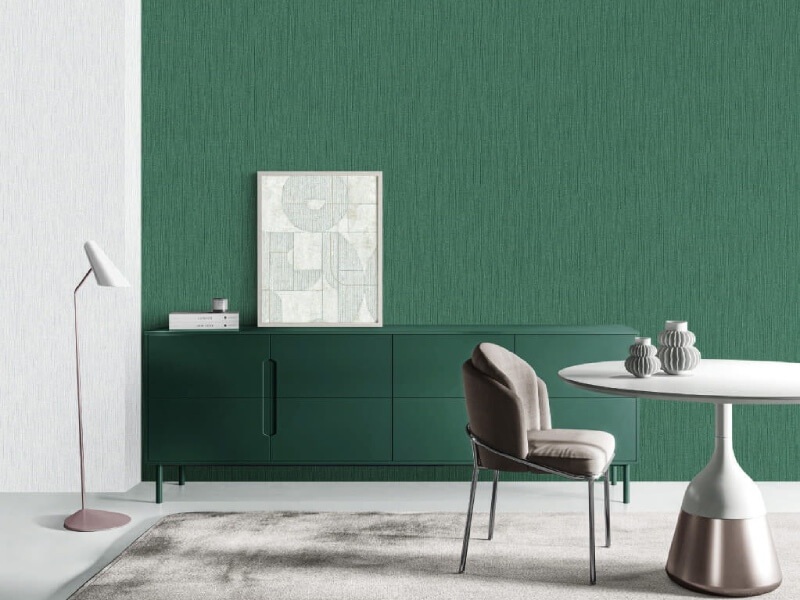
This year, colour isn’t just about bright shades, it’s about emotional resonance. As the 2026 colours of the year come into focus, we’re seeing a clear shift away from years of minimalist neutrals dominating interiors. Bold colours are staging a triumphant return. Think deep teal, terracotta, and rich emeralds – hues that bring warmth and personality to spaces once dominated by white and beige.

Designers are pairing bold colours with thoughtful placement. Accent walls, for example, are no longer an afterthought; they’re curated focal points that anchor a room. The key in 2026 is balance: vibrant colour, but with careful consideration of how it interacts with furniture, lighting and architectural features.

High-Definition Prints And Digital Artistry

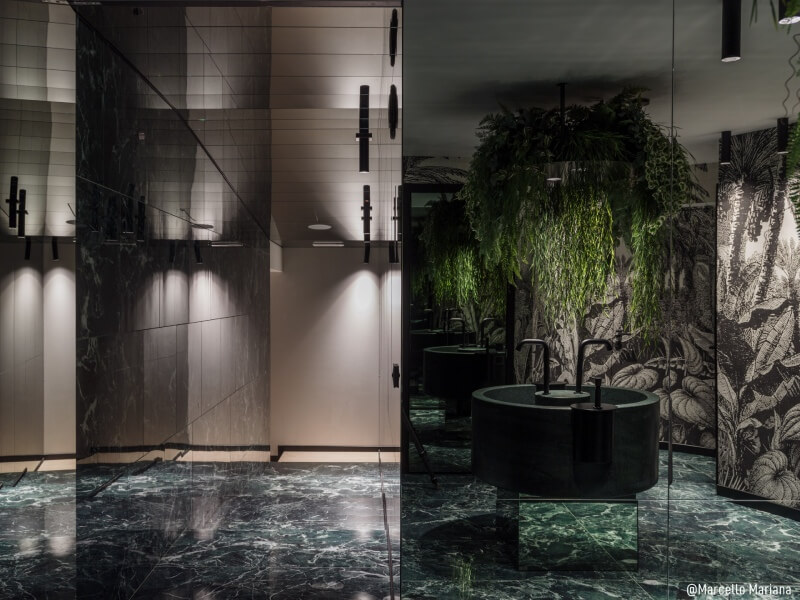
Advances in digital printing have unlocked incredible possibilities for wallpaper design. Photorealistic prints, artistic motifs, and even personalised murals are now accessible for everyday interiors. This trend allows homeowners to bring the outside in with lush botanicals or create illusionary depth with architectural scenes.

This season’s digital prints are characterised by precision and scale. Expect to see large, panoramic designs that turn entire walls into canvases; a fusion of art and interior design that blurs the line between decoration and storytelling. For those seeking unique expressions of style, custom digital wallpapers offer a fresh alternative to traditional patterns.

Texture That Speaks Volumes

Texture That Speaks Volumes

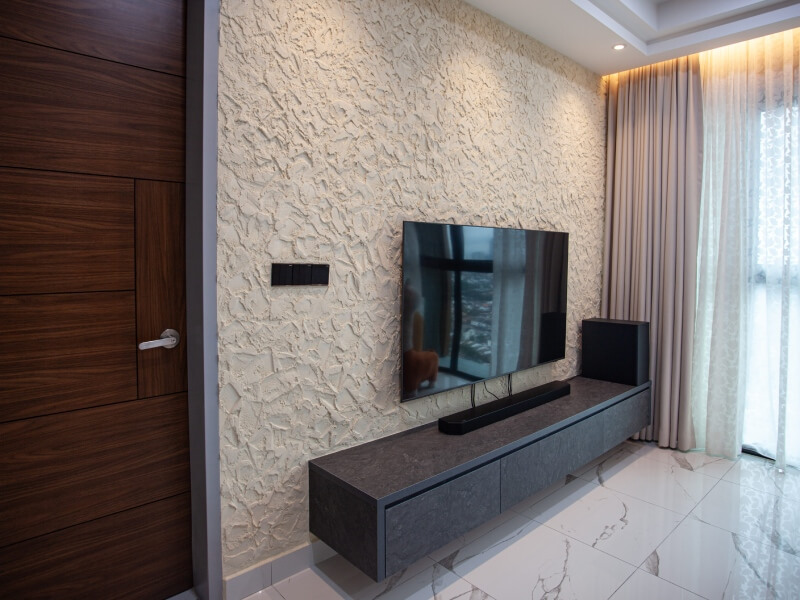
While print grabs attention, texture holds it. In 2026, wallpaper isn’t just visual, it’s tactile. From grasscloth and linen weaves to suede-like finishes and embossed patterns, texture adds richness to a room’s atmosphere. These materials catch light in different ways, creating subtle shifts in tone throughout the day.

Textural wallpaper works exceptionally well in areas where softness is desired. Think bedrooms, reading nooks or cosy lounges. But texture isn’t just for comfort spaces. Contemporary offices and hospitality settings are also embracing tactile finishes to provide sensory depth and visual intrigue.

Maximalism Meets Curated Elegance

Minimalism dominated interiors for much of the past decade, but 2026 is seeing a shift towards maximalism, albeit with a refined sensibility. Gone are chaotic patterns with no grounding concept. Instead, designers are crafting layered yet intentional spaces where vibrant wallpapers meet complementary art, furniture and décor.

Maximalist interiors are built around personality. A room could feature bold botanical wallpaper, vintage furniture and colourful textiles, yet still feel curated, not cluttered. This trend celebrates individuality, telling a story through every surface and element.

Sustainable And Eco-Conscious Choices

Sustainable And Eco-Conscious Choices

Environmental awareness continues to shape consumer choices and wallpaper is no exception. Eco-friendly wallpapers made from recycled materials or printed with low-VOC inks are gaining traction. Designers and homeowners are increasingly conscious of both aesthetics and impact.

Materials like non-woven fibres and biodegradable options are on the rise, offering durability without compromising sustainability. More brands are also transparent about their production processes, allowing consumers to make informed choices. As sustainability becomes a design priority, expect eco-responsible wallpapers to remain a strong trend throughout 2026.

Muted Neutrals With a Twist

While bold colours are thriving, muted neutrals still have an important place, especially when infused with subtle complexity. Shades like warm ochre, dusty rose or slate grey offer calm backdrops with enough character to elevate a space.

What sets this trend apart is the incorporation of understated patterns, tonal gradients or faint metallic accents. These wallpapers may not shout, but they whisper sophistication – perfect for spaces where serenity is the priority, such as bedrooms, home offices or minimalist lounges.

Pattern Play: Geometric And Organic Fusion

Pattern Play: Geometric And Organic Fusion

2026 is seeing an exciting crossover between geometric precision and organic forms. Designers are blending crisp lines with natural motifs, creating wallpapers that feel both contemporary and grounded. This fusion reflects a broader design impulse: the desire to harmonise human-made order with natural inspiration.

Geometric lines might be overlaid with floral silhouettes, or organic shapes could be framed within structured grids. The result is dynamic, visually engaging and highly adaptable to a range of interior styles, from ultra-modern apartments to eclectic heritage homes.

Statement Borders Are Back

Once a hallmark of traditional design, decorative borders are reclaiming their place in modern interiors but with a twist. Rather than standard strips that sit at chair height, 2026 borders are being used creatively: around ceilings, to frame niches or even to border entire feature walls.

These statement borders are often richly detailed, with intricate patterns or contrasting textures. When paired with complementary wallpapers, they act as elegant punctuation marks that define and elevate a room’s aesthetic.

What’s So Last Year: The Trends We’re Letting Go

What’s So Last Year: The Trends We’re Letting Go

With every change in design comes a departure from outdated styles. Here are the wallpaper trends that are fading as 2026 takes centre stage.

Monochrome Minimalism Without Texture

While minimalism has its virtues, flat monochromes with no variation or texture are losing relevance. Interiors are seeking depth, whether through colour, tactile surfaces or thoughtful layering. Plain, untextured wallpaper simply doesn’t deliver the richness that contemporary spaces now demand.

Tiny, Repetitive Patterns

Tiny prints dominated the wallpaper scene in previous years, especially in compact spaces. Yet this year, smaller patterns feel visually “busy” compared to larger, more expressive designs. Interiors craving calm and sophistication are opting for scale and impact over micro-detail.

Wallpaper Only On One Wall

The “accent wall” trend has been popular for years. But in 2026, designers will be more experimental. Rather than applying wallpaper exclusively to a single wall, many are treating entire rooms or unconventional surfaces (like ceilings or alcoves) with bold designs. The goal isn’t to “break up” a space, but to create an immersive experience.

Overly Glossy Finishes

High-gloss wallpapers had their moment, especially in commercial spaces and modern homes. However, overly reflective surfaces are now seen as distracting and difficult to maintain. In contrast, matte and textured finishes are celebrated for their sophistication and ability to diffuse light more pleasantly.

How to Choose Wallpaper That Lasts

Trends are exciting, but timeless design choices are invaluable. When selecting wallpaper in 2026, keep the following in mind:

  • Know Your Space: Consider how natural light, room size and existing décor will interact with pattern and colour.
  • Balance Bold With Subtle: If a vibrant print feels overwhelming, use it in a smaller area or pair it with neutral tones.
  • Prioritise Quality: Premium materials not only look better but also last longer, especially in high-traffic areas.
  • Think About Application: Wallpaper can be used in unconventional places, like ceilings, behind shelving or even on furniture surfaces, to extend its impact.

Conclusion: Embracing 2026’s Wallpaper Revolution

Wallpaper in 2026 is about stories, depth and personality. Bold colours, rich textures, digital artistry and sustainable materials are shaping spaces that feel curated and fulfilled. At the same time, dated trends like tiny repetitive prints and flat monochromes are gracefully exiting the stage.

Whether you’re refreshing your living room, elevating a workspace or redesigning a commercial interior, understanding these trends will help you make informed, stylish choices. For those seeking top-quality options and expert guidance on wallpaper in Singapore and beyond, explore the excellent selection and resources at Wallhub – your partner in creating spaces that truly reflect who you are.