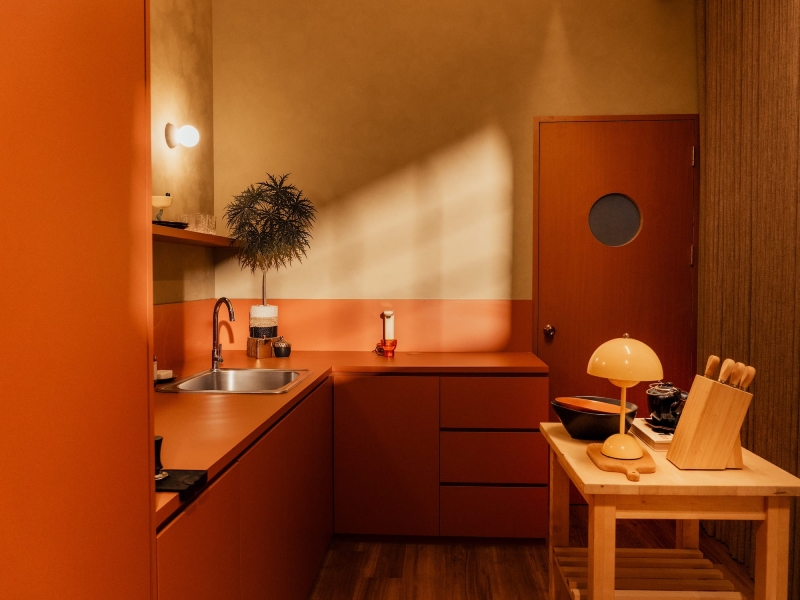
Mediterranean Design: Warm Terracotta for Homes in Singapore

Mediterranean Design: Warm Terracotta for Homes in Singapore

There is something deeply comforting about a home that feels sun-warmed, grounded, and alive with colour. Mediterranean design captures exactly that feeling, drawing on the earthy tones, natural textures, and breezy sensibility of coastal southern Europe.

At the heart of this look is terracotta, a rich, warm clay tone that sits beautifully between orange and brown. It brings depth to a room without overwhelming it, and it works equally well in a compact HDB flat as it does in a sprawling landed property. If you have been looking for a way to make your home feel cosier, more characterful, and a little less generic, Mediterranean design with terracotta accents is well worth exploring.

Why Terracotta Works So Well in Singapore
Why Terracotta Works So Well in Singapore

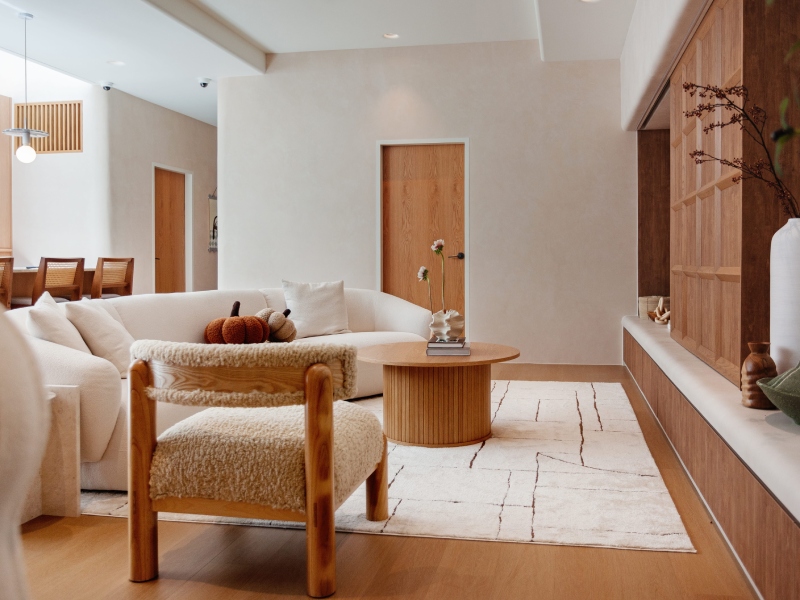
You might wonder whether a palette inspired by the Mediterranean coast translates to a tropical setting like Singapore. It does, and rather brilliantly. Terracotta’s warmth complements the natural light that floods most Singapore homes, giving rooms a golden, inviting glow rather than the cold, washed-out effect that can happen with overly pale or grey interiors.

The tone also pairs well with the lush greenery that is so central to life here. Think trailing pothos, fiddle-leaf figs, or clusters of rattan planters filled with tropical foliage. Against a terracotta backdrop, that greenery becomes even more vivid, creating a look that feels both relaxed and considered.

Starting With Your Walls

Walls are the single biggest surface in any room, and they set the tone for everything else. Painting a feature wall in terracotta is the most obvious starting point, but wallpaper opens up far more possibilities. With the growing range of wallpaper in Singapore, homeowners can now access Mediterranean-inspired designs that incorporate Moroccan tile patterns, hand-painted floral motifs, aged plaster textures, and warm abstract prints, all ready to be installed without the mess of traditional paint or plaster finishes.

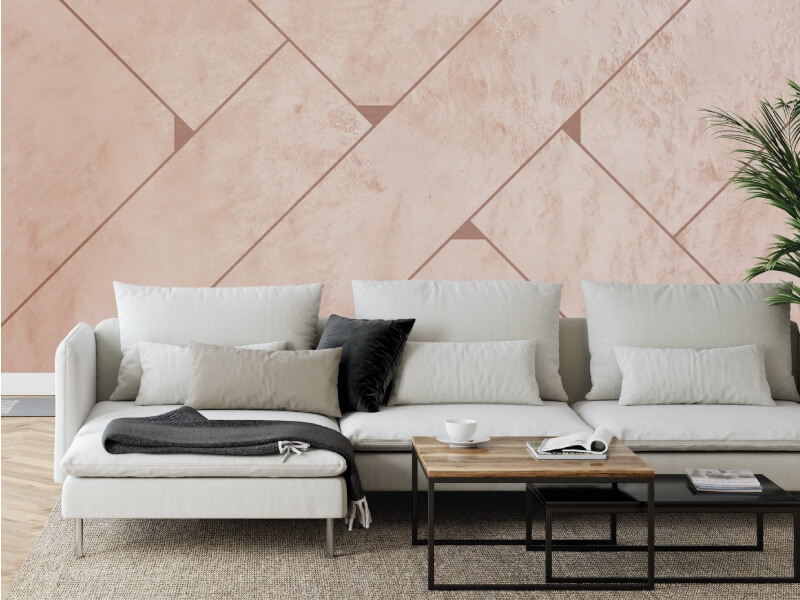
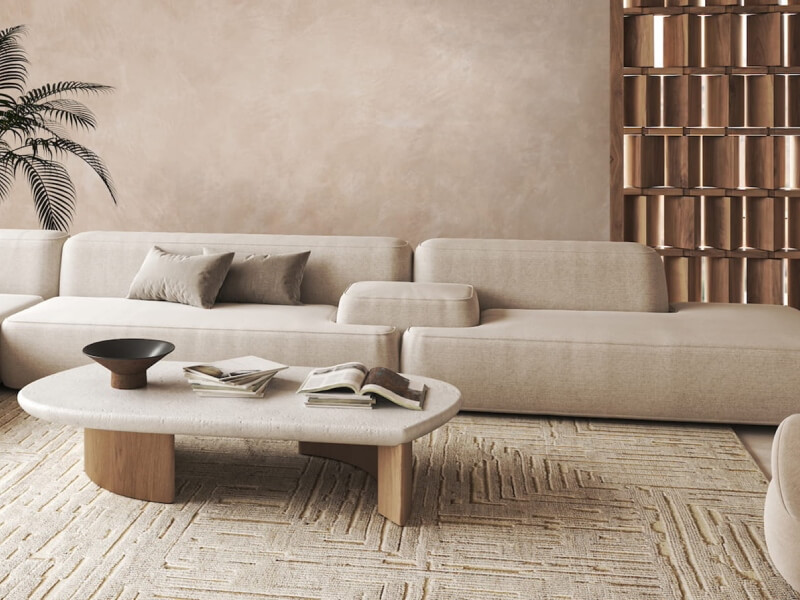
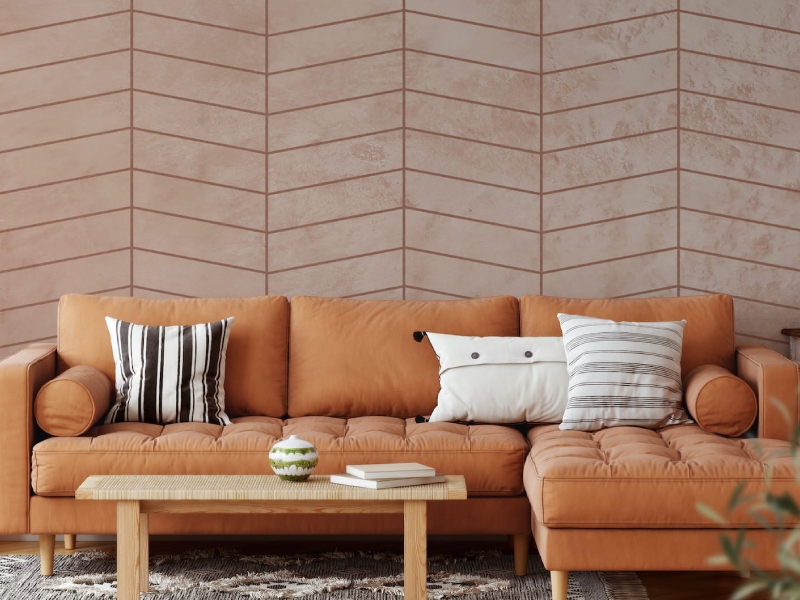
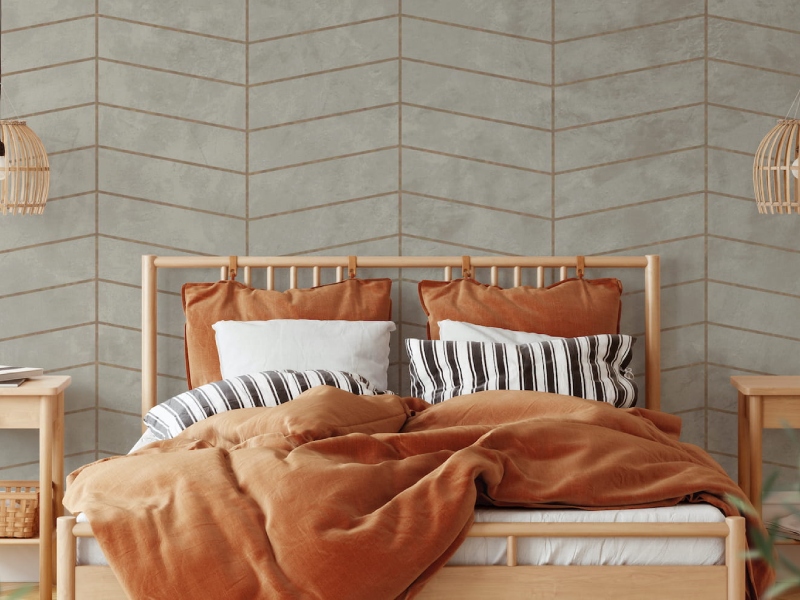
If you are not sure about going all-in on terracotta walls, a single textured wallpaper panel behind your sofa or bed can do the job beautifully. It adds visual interest and warmth without making the room feel heavy. This is where rustic meets modern in the most practical sense; layering old-world textures onto contemporary furniture and clean-lined spaces.

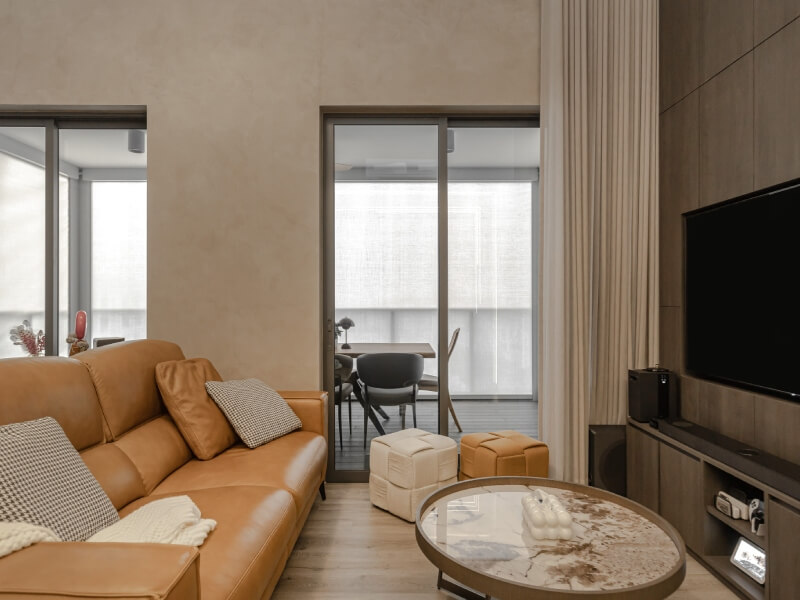
For living rooms, a warm terracotta or sandstone-toned wallpaper with a subtle aged or linen texture creates a backdrop that feels rich but not overdone. In bedrooms, deeper earthy tones, think burnt sienna or clay rose, make the space feel cocooning and restful.

Furniture and Materials to Pair With Terracotta
Furniture and Materials to Pair With Terracotta

Mediterranean interiors are built on natural materials, and this philosophy translates effortlessly into homes in Singapore. When it comes to furniture:

  • Rattan and cane add texture and lightness without visual clutter.
  • Solid wood in warm, honey or walnut tones anchors the space and adds a sense of quality.
  • Linen and cotton upholstery in off-white, cream, or muted sage keeps the palette soft.
  • Wrought iron accents (on light fittings, shelving brackets, or picture frames) introduce a subtle old-world edge.

Avoid anything too glossy or synthetic. The whole point of Mediterranean design is that it feels handcrafted, lived-in, and real. Materials should look like they have come from the earth, not a factory.

Layering Colour Without Overwhelming the Space

Terracotta is a bold choice, but it need not be the only colour in the room. Mediterranean palettes are generous and warm, and layering several tones together is part of what makes this style so visually interesting.

Colour Combination Mood It Creates
Terracotta + cream + sage green Fresh and relaxed
Terracotta + navy + white Bold and coastal
Terracotta + camel + warm grey Sophisticated and earthy
Terracotta + dusty rose + gold Warm and romantic

Start with terracotta as your dominant or feature tone, and build outwards from there. Cushions, throws, rugs, and ceramics can carry the secondary colours, making it easy to adjust the palette over time without a full redecoration.

Small Touches That Make a Big Difference
Small Touches That Make a Big Difference

You do not need to overhaul your entire home to bring Mediterranean warmth into your space. Even a few well-chosen details can shift the atmosphere considerably.

  • A terracotta pot or a set of handmade ceramic bowls on the kitchen counter.
  • A woven jute rug in the living room or bedroom.
  • Dried botanicals, pampas grass, or olive branches in a simple vase.
  • Linen curtains in warm white or light sand that let the natural light filter through softly.
  • Open shelving displaying stoneware and earthy-toned ceramics rather than sleek cabinetry.

These details work because they reinforce the same visual language: warmth, texture, and a connection to natural materials.

Adapting Mediterranean Style to Smaller Spaces
Adapting Mediterranean Style to Smaller Spaces

One of the most common concerns in Singapore is space. HDB flats and condominiums often mean working with compact rooms where every design choice matters. The good news is that Mediterranean design actually lends itself well to smaller spaces, because it is not about filling a room with things. It is about quality over quantity, and creating warmth through tone and texture rather than volume.

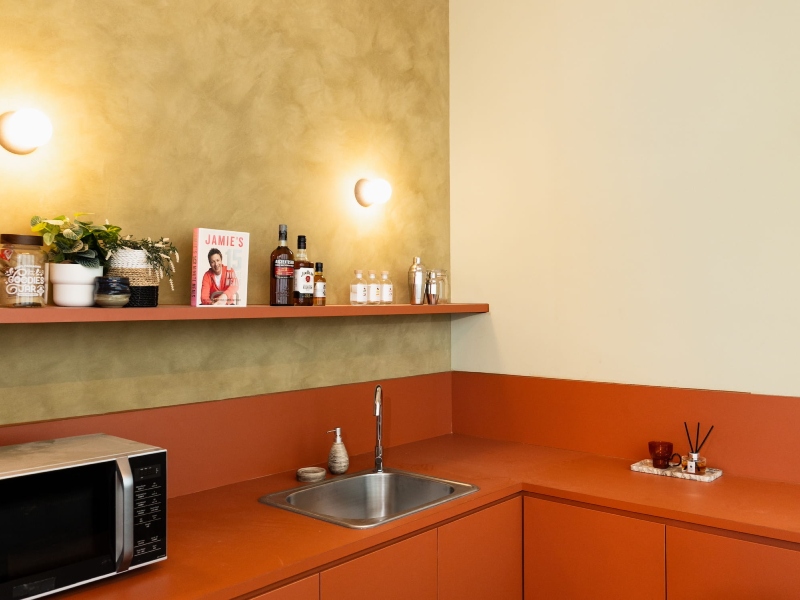
In a small living room, a warm-toned feature wall or textured wallpaper can create the illusion of depth, making the space feel more considered and purposeful. In a narrow kitchen, terracotta tiles along the backsplash or a warm earthy paint on the lower cabinets can add personality without cluttering the visual field. Even a small balcony can be transformed with a few terracotta pots, a cane chair, and a string of warm-toned lights.

The key is restraint. Choose one or two focal points, keep the rest of the room relatively calm, and let the warmth of the palette do the work.

Bringing It All Together

Mediterranean design is ultimately about how a home makes you feel. It should feel warm without being stuffy, characterful without being chaotic, and relaxed without looking unfinished. Terracotta achieves all of this with remarkable ease. It is a tone that photographs well, ages well, and genuinely makes a home feel more welcoming.

Whether you are planning a full renovation or simply looking to refresh a room, starting with your walls is always the most impactful move. If you are ready to bring Mediterranean warmth into your home, the team at Wallhub can help you find the right wallpaper and handle the installation from start to finish. With professional guidance and a wide selection of designs suited to your home, we make the whole process straightforward and stress-free.
Choosing Limewash Colours for Singapore’s Natural Light

Choosing Limewash Colours for Singapore's Natural Light

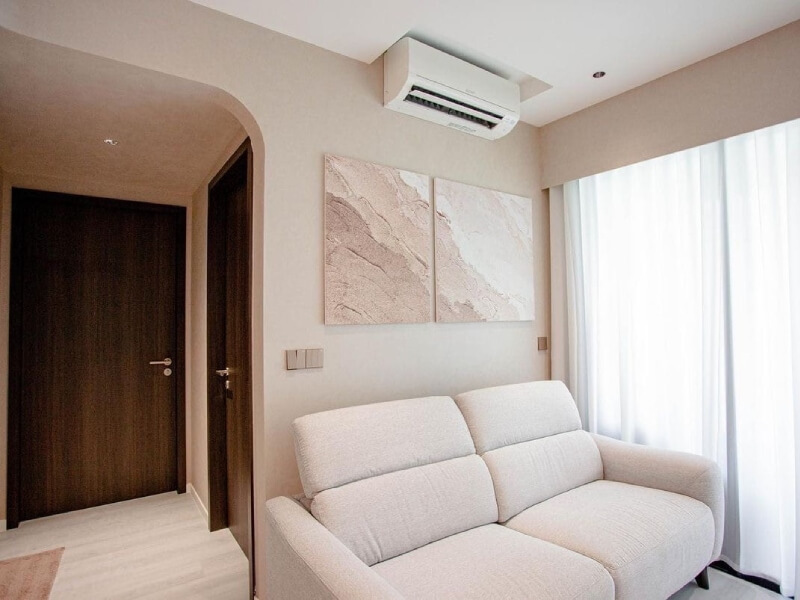
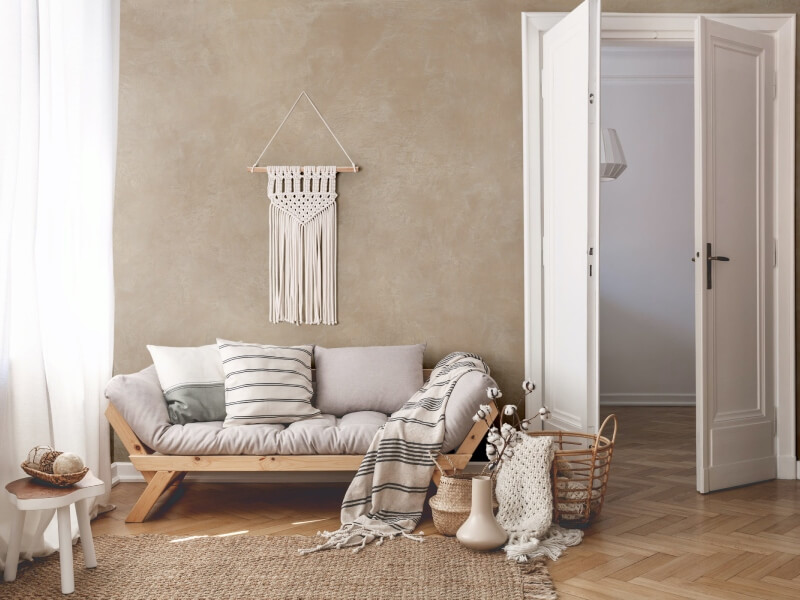
Anyone who has repainted a room in Singapore knows the frustration. The colour looked perfect on the chip, maybe even on a test patch, but something felt off once it was on the wall. More often than not, light is the reason. Singapore’s tropical climate means intense sunlight for much of the day, high humidity that affects how surfaces look, and a brightness that can make colours appear washed out, harsher, or completely different from what you expected. If you are considering limewash wall paint, understanding how local light conditions work is the first step to getting the colour right.

This is why limewash wall paint has become such a popular choice for homes here. Its naturally matte, textured finish absorbs light rather than bouncing it back, which means colours stay truer across different times of day. It also brings a depth and movement to walls that flat paint simply cannot replicate. Each coat is slightly translucent, so the layers build on each other to create that beautiful, lived-in look that feels organic rather than painted.

That said, choosing the right limewash colour for a home in Singapore still takes some thought. The same principles apply here as anywhere, but the intensity of local light means you need to make a few adjustments to your decision-making process.

Understand How Light Behaves

Understand How Light Behaves

Before picking a shade, it helps to understand what you are working with. Singapore sits close to the equator, which means sunlight comes in at a higher angle and is far more intense than in temperate climates. This has two main effects on your walls:

  • Colours appear lighter and more washed out in direct sunlight, especially between 10am and 3pm.
  • Cooler tones can read as harsh or cold in rooms that get a lot of direct afternoon light.

The good news is that limewash handles this beautifully. Its textured surface creates micro-shadows that give even pale colours a sense of depth, so they do not disappear in the brightness the way flat paint does.

Go Warmer Than You Think You Need To

This is the single most useful piece of advice for choosing limewash colours in Singapore. Because the light here leans cool and blue-white during midday, warm tones tend to look more balanced and liveable throughout the day.

Shades like warm white, aged linen, soft ochre, dusty terracotta, and sandy beige all perform exceptionally well. They look relaxed and sun-warmed rather than washed out. Cool colours like pale grey or stark white, on the other hand, can become almost clinical under harsh midday light.

If you love cooler tones, do not abandon them entirely. Just lean towards versions with warm undertones. A grey with a hint of green or taupe, for instance, reads much more comfortably than a pure blue-grey.

Room Direction Matters

Room Direction Matters

The direction your room faces will significantly affect how any colour looks throughout the day.

North-facing rooms receive less direct sunlight and tend to feel cooler and more shadowy. Here, warmer limewash tones work hard to counter that coolness. Think creamy whites, warm terracottas, or muted sand tones.

South-facing rooms catch the sun for long stretches and can get intensely bright. Slightly deeper shades of limewash work well here because the brightness will naturally lift them. A soft sage, dusty mauve, or deeper linen will not look as pale and diluted as they might elsewhere.

East-facing rooms get beautiful morning light that is golden and gentle, making them ideal for almost any limewash tone. Enjoy them.

West-facing rooms take the brunt of the hot afternoon sun, which can make colours look very orange or harsh. Cooler-warm neutrals tend to balance this out best.

Do Not Forget Humidity

Do Not Forget Humidity

Singapore’s humidity is something every homeowner here has to work around. It affects how paint behaves over time, and limewash is no exception. When planning your limewash project, it is worth speaking to your supplier about waterproofing limewash in humid areas, particularly for bathrooms, kitchens, or any wall that gets regular moisture exposure. Getting this right from the start saves a lot of hassle later.

Test Before You Commit

This cannot be said enough. Always, always test your shortlisted limewash colours on the actual wall before committing. Paint a generous swatch, at least 30cm by 30cm, and observe it at different times of day: morning, midday, late afternoon, and evening under artificial light.

What looks like a calm, neutral linen on a small paint chip can surprise you when it goes on a full wall. The textured nature of limewash means it shifts subtly as the light changes, which is part of its charm, but worth understanding before you dive in.

A Few Colours That Tend to Work Well in Homes

A Few Colours That Tend to Work Well in Homes

While every space is different, these types of shades consistently perform well under tropical light conditions:

Tone Why It Works
Warm white (with yellow or pink undertones) Stays soft and inviting without looking stark
Aged linen or parchment Adds warmth without feeling heavy
Dusty terracotta Earthy and grounding; glows beautifully in afternoon light
Soft sage green Feels fresh and cool without becoming harsh
Muted blush or dusty rose Gentle and liveable; takes on different tones through the day

Deeply saturated shades can also be stunning in the right context, but they are more of a commitment. If you go dark with limewash, lean into it with intention.

Think About the Whole Room, Not Just the Walls

Your flooring, furniture, and the amount of natural greenery visible from your windows all feed into how a limewash colour will feel in the space. Homes in Singapore often have views of lush gardens or tree canopies, which introduce a lot of green-reflected light. This can make cool greens and blues on the walls feel more saturated than expected, and can add a lovely natural warmth to terracottas and earth tones.

Light-coloured timber floors pair beautifully with limewash, and dark marble or stone flooring grounds bolder shades without making the space feel heavy.

Wrapping Up

Choosing the right limewash colour for your home is about working with the light, not against it. Lean warm, test thoroughly, consider your room’s orientation, and trust the process. Limewash is one of those finishes that rewards patience and rewards you further every time the light changes throughout the day.

If you are planning a refresh of your home’s interior and want expert help with wall treatments and installations, the team at Wallhub is a great place to start. We offer professional wallpaper installation services and can help you find the right finish for your space, your light, and your lifestyle.


Limewash vs Venetian Plaster: Which Is Right for Your Home?

Limewash vs Venetian Plaster: Which Is Right for Your Home?

There’s something about textured walls that makes a space feel considered. Not just painted, but finished. And if you’ve been exploring wall treatment options lately, chances are you’ve come across two names that keep popping up: limewash and Venetian plaster. Both are beautiful. Both are having a serious moment. But they’re quite different in character, application, and the kind of home they suit best.

Here’s a straightforward breakdown to help you decide.

What Is Limewash?

What Is Limewash?

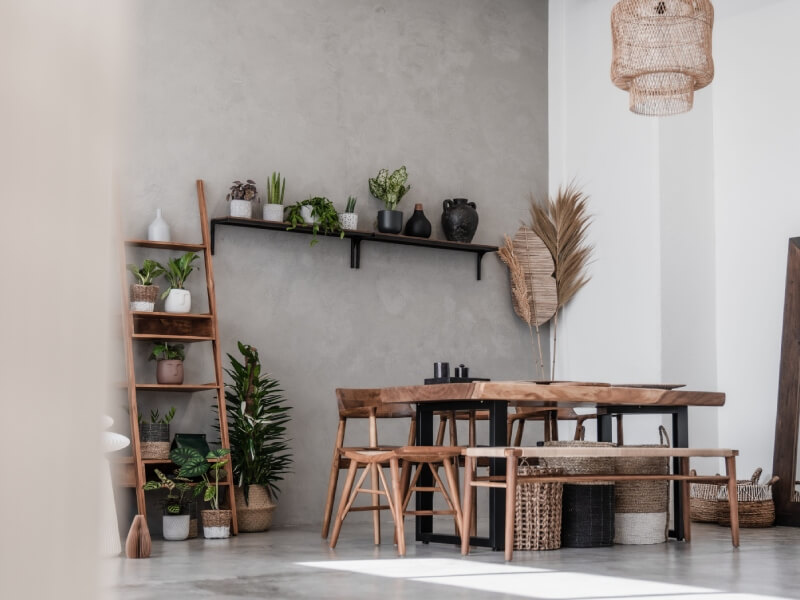
Limewash is one of the oldest wall finishes around, made from crushed limestone that’s been burned, aged, and mixed with water. The result is a chalky, matte, slightly uneven finish that looks like it belongs in a centuries-old Italian farmhouse or a light-filled Scandinavian cottage.

What makes limewash wall paint so appealing today is its organic, lived-in quality. It doesn’t try to look perfect, and that’s precisely the point. The colour appears to shift slightly depending on the light, giving walls a soft depth that flat emulsion simply can’t replicate. It works beautifully for minimalistic homes where the texture itself becomes the feature, without adding visual clutter.

Because it’s applied in thin, translucent layers, limewash creates variation naturally. No two walls look exactly the same, which is either a selling point or a concern depending on how much you like consistency.

Limewash works well if you:

  • Love a relaxed, rustic, or earthy aesthetic
  • Want something that looks effortlessly aged
  • Prefer matte finishes over sheen
  • Are working with plaster, brick, or masonry walls

What Is Venetian Plaster?

What Is Venetian Plaster?

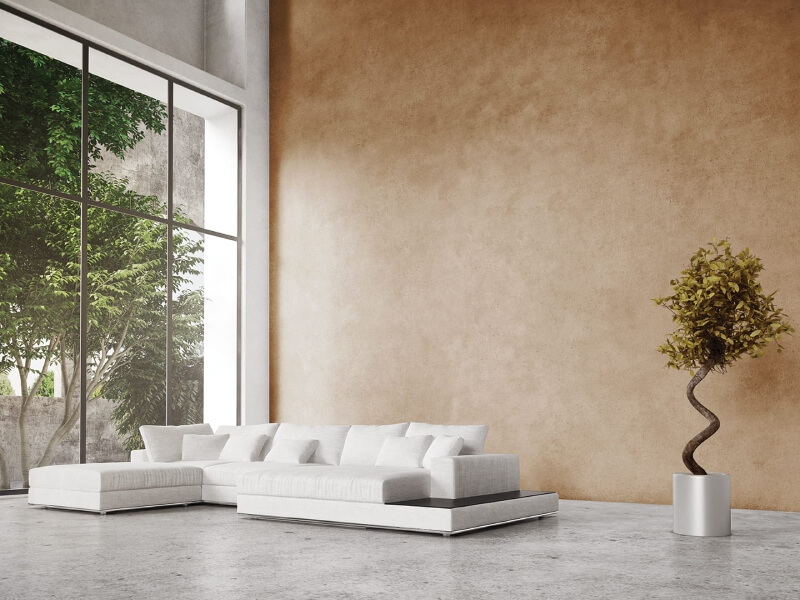
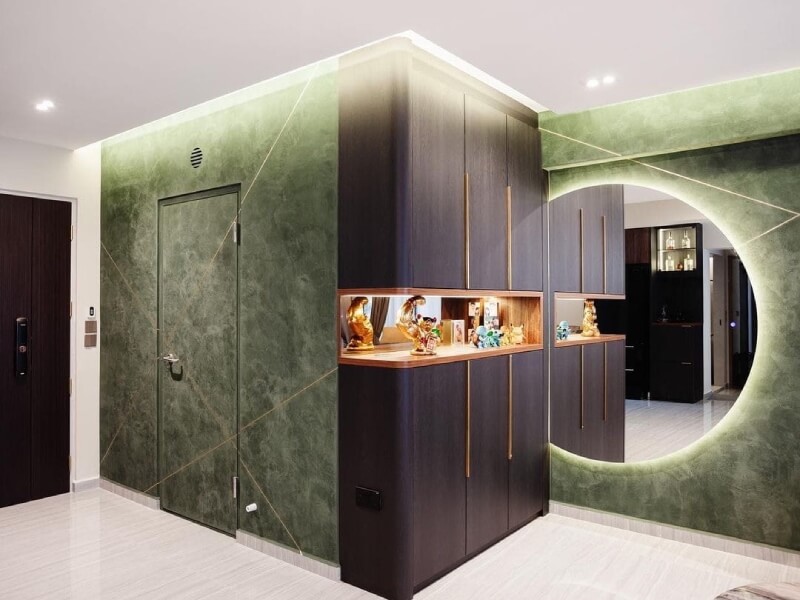
Venetian plaster has a more polished personality. Originating in Venice (as the name suggests), this finish is made from slaked lime mixed with marble dust. It’s applied in multiple thin layers and then burnished to create a smooth, luminous surface with depth and subtle movement.

The finish can range from a soft, satiny sheen to something almost stone-like in appearance. When done well, Venetian plaster looks luxurious. It catches light in a way that painted walls don’t, and it gives a room a sense of richness without relying on heavy furniture or ornate detailing.

Unlike limewash, Venetian plaster rewards precision. The application process is more technical, requiring skill to layer and burnish correctly. But the result is a wall that genuinely looks like it belongs in a high-end hotel or a beautifully designed home.

Venetian plaster works well if you:

  • Prefer a polished, refined look
  • Want to add depth and a tactile quality to walls
  • Like a finish that reads as elegant rather than rustic
  • Are willing to invest in professional application

How Do They Compare?

Here’s a quick side-by-side to make things clearer:

Limewash Venetian Plaster
Finish Matte, chalky, uneven Smooth, burnished, luminous
Aesthetic Rustic, earthy, organic Refined, luxurious, architectural
Application Brush-applied, more forgiving Trowel-applied, requires skill
Durability Good, breathable Excellent, hard-wearing
Best on Plaster, brick, masonry Plaster, drywalled surfaces
Cost Generally more affordable Higher cost due to skill required

Durability and Maintenance

Both finishes are more durable than standard wall paint, but in different ways.

Limewash is breathable, which makes it particularly good for older homes with solid walls. It allows moisture to pass through rather than trapping it, which helps prevent damp problems. It can chip or wear in high-traffic areas over time, but this often adds to the charm rather than looking like damage. Touch-ups are easy because the finish is naturally imperfect.

Venetian plaster, once fully cured, creates a very hard surface. It’s resistant to moisture and can even be waxed for additional protection, making it suitable for bathrooms and kitchens when sealed properly. Because the surface is smoother, scuffs are more noticeable, but it’s less likely to chip in the same way limewash might.

Which Rooms Suit Each Finish?

Which Rooms Suit Each Finish?

This matters more than people often realise. The right finish in the wrong room can feel slightly off, even if you can’t immediately explain why.

Limewash is particularly at home in:

  • Living rooms and bedrooms, where you want warmth and texture
  • Feature walls that benefit from visual softness
  • Older or period properties where it complements the architecture
  • Spaces with natural materials like wood, linen, and stone

Venetian plaster shines in:

  • Dining rooms and entrance halls, where you want to make an impression
  • Bathrooms, especially when sealed
  • Modern or contemporary interiors that want a sense of luxury
  • Spaces where lighting is considered, as the sheen responds beautifully to it

The Honest Truth About DIY

Limewash is one of the more forgiving wall finishes to apply yourself. The brush application is intentionally uneven, so minor mistakes blend in rather than standing out. With the right preparation and a bit of patience, a competent DIYer can achieve a great result.

Venetian plaster is a different story. While there are DIY kits available, achieving a truly polished finish takes practice and technique. Applied badly, it can look patchy and uneven in ways that aren’t attractive. If you’re investing in Venetian plaster, it’s generally worth bringing in someone who knows what they’re doing.

So, Which One Should You Choose?

So, Which One Should You Choose?

If you’re drawn to something warm, textured, and a little unpredictable, limewash is likely your answer. It suits homes that feel curated without being fussy, and it ages gracefully.

If you want something more refined and polished, with a finish that reads as genuinely luxurious, Venetian plaster is worth the investment.

Both are far more interesting than standard paint, and both have the ability to completely transform how a room feels.

Ready to Transform Your Walls?

Still not sure which finish is right for your space? That’s exactly where Wallhub comes in. Whether you’re drawn to the rustic warmth of limewash or the polished elegance of Venetian plaster, the Wallhub team can help you find the perfect finish for your home, and ensure it’s applied beautifully. Explore Wallhub’s wall treatment services today and take the guesswork out of getting your walls right.