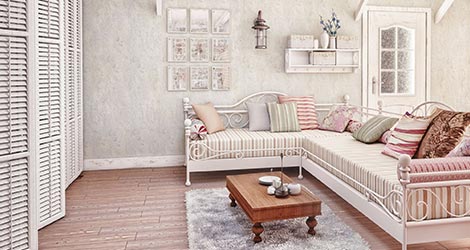
Soft movement across a wall. Gentle tonal shifts that change with the light. Limewash has a quiet charm that many modern homeowners love, especially in warm, humid climates where heavy finishes can feel suffocating. Yet one concern often comes up: how do you protect limewash in moisture-prone areas without ruining its beautiful, powdery texture?
Humidity is part of everyday life in places like Singapore. Bathrooms, kitchens, balconies and even air-conditioned bedrooms can experience condensation. If you are considering limewash paint in Singapore, understanding how to waterproof it properly will help you enjoy its natural look for years without compromising its character.
Let’s walk through it in a practical, realistic way.
Why Limewash and Humidity Can Clash

Limewash is a mineral-based coating made primarily from slaked lime and water. Unlike acrylic paints, it soaks into porous surfaces and forms a breathable, matte finish. That breathability is one of its strengths. It allows walls to release moisture rather than trap it.
However, constant exposure to water splashes, steam or heavy condensation can weaken the surface over time. You might notice:
- Fading or patchiness
- Powdery residue rubbing off
- Slight staining in high-contact areas
This does not mean limewash is unsuitable for humid homes. It simply means it needs thoughtful placement and the right protective system.
Where Limewash Works Best in Humid Homes
Limewash performs beautifully in:
- Living rooms
- Bedrooms
- Dining areas
- Dry corridors
It is also increasingly popular in minimalist homes for its soft depth and subtle texture. That cloudy, layered look adds warmth without visual clutter.
For bathrooms and kitchens, the approach needs to be more strategic. Feature walls away from direct water contact are generally fine. Shower enclosures and backsplash zones, however, require additional protection.
The Key: Protect Without Sealing It Completely

The biggest mistake people make is applying a thick, glossy waterproof coating over limewash. This flattens the finish and removes the delicate movement that makes limewash special.
Instead, the goal is to:
- Repel surface moisture
- Maintain breathability
- Preserve the matte, textured appearance
Achieving this balance requires the right type of sealer.
Step 1: Ensure Proper Surface Preparation
Before even thinking about waterproofing, make sure the base is correct.
Limewash needs a porous surface to bond well. Suitable substrates include:
- Cement render
- Plaster
- Mineral-based skim coats
Avoid applying limewash directly onto glossy paint or sealed surfaces without proper priming. In humid conditions, poor adhesion becomes more obvious over time.
If you are working with a professional supplier of limewash paint in Singapore, they should advise on compatible primers designed specifically for mineral coatings.
Step 2: Allow Full Curing Before Sealing
Patience matters.
Fresh limewash continues to carbonate and cure for several days. Applying a sealer too early can interfere with this natural process and affect both durability and texture.
Typically:
- Wait at least 5–7 days before applying any protective topcoat.
- Ensure the wall is fully dry.
Humidity can slow curing slightly, so good ventilation helps.
Step 3: Choose a Breathable, Matte Sealer
This is where the real difference lies.
Look for sealers that are:
- Vapour permeable
- Designed for mineral paints
- Low-sheen or completely matte
Siloxane-based or specialised mineral sealers are often recommended because they repel liquid water while allowing vapour to escape.
When applied correctly, these sealers:
- Reduce staining
- Increase surface durability
- Maintain the soft tonal variation
They should not create a plastic-like film on top of the wall.
Always test on a small patch first. Even matte sealers can slightly deepen the colour, so previewing the result avoids surprises.
Step 4: Apply Light, Even Coats
More is not better.
A thick application can:
- Darken the finish unevenly
- Reduce texture visibility
- Create mild sheen
Instead:
- Use a roller with minimal pressure
- Apply thin, even coats
- Avoid overworking the surface
Two light coats are generally safer than one heavy coat.
If sprayed, ensure controlled misting rather than saturation.
Step 5: Be Realistic About High-Water Zones
Let’s be honest. Limewash is not tile. It is not epoxy. It is not meant to sit behind constant water spray.
For shower interiors or heavy-duty splash zones, consider:
- Using limewash only on upper sections of the wall
- Pairing it with tiles or stone in wet areas
- Installing proper ventilation systems
In kitchens, limewash can work behind open shelving or dining areas, but directly behind a hob or sink may require extra caution or alternative finishes.
Design does not have to be all or nothing. Blending materials often creates a more thoughtful, layered space anyway.
Ventilation Is Just as Important as Waterproofing

Humidity management goes beyond surface treatment.
Even the best breathable sealer cannot compensate for poor airflow. To protect limewash in humid homes:
- Use exhaust fans in bathrooms
- Open windows regularly where possible
- Avoid drying wet towels against limewashed walls
- Fix leaks promptly
Condensation control reduces long-term stress on any paint system, not just limewash.
Cleaning Limewashed Walls in Humid Areas
Maintenance should be gentle.
Avoid:
- Harsh chemical cleaners
- Abrasive scrubbing pads
- High-pressure water
Instead:
- Use a soft, slightly damp cloth
- Blot rather than rub
- Address stains early
If sealed properly, light splashes can be wiped away without damaging the finish.
Does Waterproofing Change the Look?

A common worry is that sealing will remove the charm of limewash.
When done correctly, changes should be subtle:
- Slight deepening of tone
- Minimal sheen (if using a proper matte product)
- Texture remains visible
What you should not see is:
- Glossy reflection
- Plastic-like coating
- Flattened tonal variation
Testing is your best friend here.
Is Limewash Still Worth It in Humid Climates?

Absolutely, with smart planning.
Humidity does not automatically disqualify limewash. In fact, its breathable nature makes it more forgiving than some conventional paints that trap moisture behind a film.
The key principles are simple:
- Use it in appropriate areas
- Allow proper curing
- Apply breathable protection
- Maintain good ventilation
When approached thoughtfully, limewash can thrive even in tropical homes.
The Texture Is the Star
Limewash stands out because it feels alive. The layered brush marks, cloudy movement and chalky softness cannot be replicated by standard paints.
Waterproofing should support that beauty, not erase it.
If you are planning to incorporate limewash into your home and want guidance on suitable sealers, application methods or humidity-friendly solutions, speak to specialists who understand both the material and the local climate.
Wall finishes are long-term decisions. Choosing the right system from the start saves time, cost and frustration later.
Ready to explore limewash options tailored for humid homes? Speak to the team at Wallhub and find the right balance between protection and texture for your space.