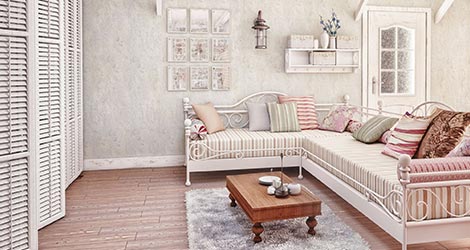
Wallpaper can completely transform a room. A bold botanical print can breathe life into a tired living space. A soft textured finish can add warmth to a minimalist bedroom. With so many colours, patterns and finishes available today, it’s easy to see why more homeowners are embracing wallpaper again.
Yet not every wall is the right wall. While wallpaper can elevate a space, placing it in the wrong area can lead to peeling edges, trapped moisture, cleaning headaches and even regrets when it comes time to sell. Before you commit, it’s worth pausing and asking: is this surface really suitable?
If you’re considering wallpaper in Singapore, climate, layout and lifestyle all play a part. Heat and humidity aren’t just minor inconveniences here, they also influence how well materials perform over time. Let’s look at the areas where you might want to think twice.
Bathrooms With High Moisture Levels

Bathrooms seem like an obvious place for design creativity. A striking print behind the mirror or along a feature wall can look beautiful on Pinterest. However, bathrooms are one of the riskiest places for wallpaper.
Steam from hot showers seeps into the air and settles on walls. Over time, that moisture can loosen adhesive, cause bubbling, or lead to mould growth beneath the surface. Even so-called “moisture-resistant” wallpaper isn’t immune if ventilation is poor.
If your bathroom has no window or limited airflow, wallpaper may struggle to last. Small powder rooms with good ventilation are a safer bet, but full bathrooms used daily by a family can be unforgiving environments.
Kitchens Near Cooking Zones
Kitchens are the heart of the home, but they’re also hotspots for heat, grease and splashes. Installing wallpaper directly behind a hob or sink may look stylish at first, but daily cooking tells a different story.
Oil particles from frying can cling to surfaces. Steam from boiling pots adds humidity. Even careful cooks can’t completely avoid splatters. Unlike tiles or glass backsplashes, wallpaper isn’t designed for heavy scrubbing. Repeated wiping can wear down the finish and dull the design.
If you love the look, consider limiting wallpaper to a dining nook or a wall far from direct cooking zones. Pair it with practical, easy-clean surfaces where needed.
Walls Exposed To Direct Sunlight

Natural light is wonderful for brightening interiors, but prolonged sun exposure can fade wallpaper. South- and west-facing windows often receive intense afternoon sun, and over months or years, colours may lose their vibrancy.
Darker tones and bold prints tend to show fading more obviously. Adhesive can also weaken if heat builds up on the surface. This doesn’t mean you must avoid wallpaper entirely in bright rooms, but think carefully about placement. Using blinds or UV-filtering window films can help, though it’s not a complete solution.
Children’s Rooms That Change Often
Children grow quickly, and so do their tastes. That dinosaur mural your five-year-old adores today may feel “babyish” by the time they turn eight.
Wallpaper is more permanent than paint. Removing it can be time-consuming and sometimes damages the wall beneath, especially if the installation wasn’t done properly. If you anticipate frequent style changes, paint or removable wall decals might be more flexible.
This is especially important if you’re mindful of how renovations might impact your home’s market appeal. Highly personalised wallpaper in bedrooms can make it harder for future buyers to visualise the space as their own.
Ceilings And Uneven Surfaces

Statement ceilings have gained popularity in recent years. While wallpapering a ceiling can look dramatic, it’s technically challenging. Gravity works against you during installation, and adhesive failure is more likely over time.
Uneven walls are another concern. Bumps, cracks or textured plaster can show through thin wallpaper. What looks smooth in a showroom might highlight imperfections at home.
Proper wall preparation helps, but not every surface can be corrected easily. Sometimes paint or wall panels are a more forgiving option.
Rental Properties With Restrictions
If you’re renting, wallpaper might not be the simplest design upgrade. Many tenancy agreements restrict permanent alterations, and removing wallpaper before moving out can become a stressful (and costly) process.
Even peel-and-stick versions aren’t always risk-free. Adhesive residue or paint peeling during removal can lead to disputes over deposits.
Before making changes, always check with your landlord and consider whether the effort outweighs the benefit.
Laundry Areas And Utility Rooms

Laundry spaces often deal with humidity, heat and fluctuating temperatures. Dryers release warm air, and washing machines can create condensation. Poor ventilation in compact utility rooms increases the risk of dampness.
Wallpaper in these areas may not hold up well long-term. Practical finishes that resist moisture and are easy to clean are usually safer choices.
Entryways That See Heavy Traffic
Entryways experience constant contact — bags brushing against walls, shoes scraping, guests leaning while removing footwear. Wallpaper in high-traffic zones can scuff or tear more easily than paint.
If you love the aesthetic, consider installing a protective wainscoting panel below or choosing a durable vinyl option designed for heavier wear.
Areas With Existing Damp Issues
No decorative finish will solve underlying damp problems. If a wall already shows signs of moisture, mould or peeling paint, adding wallpaper can trap moisture and worsen the issue.
Always fix the root cause first. Proper waterproofing, sealing cracks or improving ventilation should come before any aesthetic upgrade. Wallpaper is the finishing touch, not a cover-up solution.
When Wallpaper Still Makes Sense

After all these cautions, it’s important to remember that wallpaper can still be a brilliant design choice when used thoughtfully.
Bedrooms with stable temperatures and low humidity often work beautifully. Living room feature walls away from windows and direct sunlight can create stunning focal points. Home offices can benefit from subtle textures that add warmth without overwhelming the space.
The key is balance. Think about how the room functions daily, not just how it looks in photos. Consider ventilation, cleaning habits, and how long you plan to stay in the home.
Professional installation also makes a significant difference. Proper surface preparation, high-quality adhesive and precise application extend the lifespan of wallpaper considerably.
Questions To Ask Before You Install
Before committing, run through a simple checklist:
- Does this wall experience moisture or steam?
- Will it be exposed to direct sunlight for long hours?
- Is the surface smooth and well-prepared?
- Will I want to change this design within a few years?
- Is this area easy to clean without aggressive scrubbing?
Answering honestly can save you frustration later.
Making A Choice You Won’t Regret
Design decisions feel exciting at the start. Patterns, textures and colours open up endless possibilities. Yet the best interiors aren’t just stylish, they’re practical for everyday living.
Wallpaper isn’t a one-size-fits-all solution. Some spaces welcome it; others quietly resist it over time. Thinking twice before installation doesn’t mean abandoning your design vision. It simply means placing it where it can truly shine.
If you’re unsure which walls are suitable or which materials will perform best in your home, professional guidance can make all the difference. Reach out to Wallhub for expert advice and quality wallpaper solutions tailored to your space.