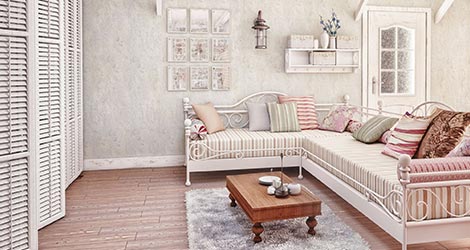
Wallpaper is one of the most transformative design tools you can use to refresh a home. It instantly changes a room’s mood, whether you want a bright, cheerful space or a soft, calming retreat. But with so many options available today, choosing the right wallpaper can be trickier than it seems. From texture and durability to light exposure and installation, several factors influence how your chosen wallpaper will look and last over time.
If you are planning to buy wallpaper in Singapore, it helps to go beyond design preferences and consider what will actually work best for your walls and lifestyle.
Here are the key things you should always check before making your purchase.
Check The Room’s Lighting And Orientation
Lighting dramatically affects how wallpaper appears once it is up. Natural lighting can highlight certain tones while making others look dull or washed out. A pattern that looks perfect under showroom lighting may feel completely different in your home.
Rooms that receive plenty of sunlight can handle deeper hues or bold designs, as light helps balance their intensity. For darker or smaller rooms, opt for lighter shades or subtle prints that reflect light and create a sense of space. You may also consider wallpapers with metallic accents or soft sheens for extra brightness.
If you’re pairing wallpaper with limewash paint, test how both finishes react to the room’s light. Limewash has a naturally matte texture that complements wallpaper beautifully but can change in tone depending on lighting. Matching the two finishes thoughtfully will help maintain visual harmony.
Check The Wallpaper Material
Not all wallpapers are made equal. Each material offers a different look, texture, and level of durability. Vinyl wallpapers, for example, are among the most practical and easy to maintain, making them ideal for high-traffic areas like hallways, living rooms, and kitchens.
Fabric wallpapers provide an elegant finish but can be more delicate and harder to clean. Non-woven wallpapers, on the other hand, are tear-resistant and breathable, helping prevent mould in humid environments. This makes them a good choice for Singapore’s tropical climate.
It’s also worth considering whether the wallpaper is washable or scrubbable. Washable wallpapers can be lightly cleaned with a damp cloth, while scrubbable types can handle more thorough cleaning, perfect for families with children or pets.
Check The Pattern Alignment And Repeat

When you’re browsing through sample books or rolls, pay attention to how the pattern repeats. Every wallpaper design has a “repeat” measurement, which indicates how often the pattern restarts. Large repeats may require more rolls to ensure proper alignment across walls, especially if the design includes intricate motifs.
Poor pattern matching can make even the most beautiful wallpaper look uneven once installed. Before purchasing, ask to see how the pattern aligns when two sheets are placed side by side. This small step can save you from visible mismatches later on.
Check The Surface Preparation Requirements
Wallpaper can only adhere properly to clean, smooth surfaces. If your walls have cracks, flaking paint, or uneven textures, you may need to do some preparation work first. This could include sanding, applying a primer, or fixing any imperfections.
For newly plastered or freshly painted walls, ensure the surface is completely dry before installation. Residual moisture can cause wallpaper to bubble or peel prematurely. Taking the time to prepare the wall properly helps the wallpaper last longer and look more professional once applied.
Check The Room’s Humidity Levels
Singapore’s humid weather can be tough on certain wallpaper materials. Excess moisture may cause the adhesive to weaken or the paper to lift at the seams. Bathrooms, kitchens, and laundry areas are particularly challenging spaces for wallpaper due to constant humidity.
To combat this, choose wallpapers designed for moisture-prone areas, such as vinyl-coated or non-woven varieties. You can also apply a moisture barrier primer before installation to enhance adhesion and prevent peeling. Keeping the area well-ventilated further helps extend the wallpaper’s lifespan.
Check The Installation Method

There are two main types of wallpaper installation: paste-the-wall and paste-the-paper. Non-woven wallpapers typically use the paste-the-wall method, which is cleaner and easier to install or remove. Traditional paper wallpapers require you to apply paste directly to the paper, which can be messier but may provide a tighter fit on certain surfaces.
If you’re hiring professionals, ask about their installation techniques and whether they use high-quality adhesives suited for your wall type. For DIY enthusiasts, take note of the manufacturer’s instructions carefully, especially regarding drying time and temperature conditions.
Check The Roll Coverage And Batch Number
Before finalising your purchase, confirm how many rolls you actually need. Wallpapers are usually sold by the roll, and coverage can vary based on width, pattern repeat, and wall height. Always measure your walls accurately and buy an extra roll to account for errors or future touch-ups.
Equally important is checking the batch number. Each wallpaper production run has a unique batch code, and slight colour variations can occur between batches. Buying rolls from the same batch ensures that every strip looks consistent once installed.
Check The Environmental And Health Certifications
If sustainability is important to you, look out for wallpapers that carry eco-friendly certifications. Some brands use water-based inks, recyclable materials, or low-VOC adhesives, making them safer for both your home and the environment.
These options are particularly beneficial for households with young children, elderly family members, or anyone sensitive to strong odours or chemical exposure. Eco-certified wallpapers may cost slightly more, but they offer peace of mind and contribute to a healthier living space.
Check The Compatibility With Your Interior Style

Wallpaper should enhance, not overpower, your overall design theme. Before committing to a pattern, step back and visualise how it will interact with your furniture, flooring, and decorative accents.
For minimalist or Scandinavian interiors, soft textures and neutral tones work well. For eclectic or bohemian spaces, vibrant colours and layered patterns can create visual interest. If your home already features decorative wall finishes like limewash or textured paint, choose a wallpaper that complements rather than competes with them.
To test compatibility, order a few wallpaper samples and tape them to your wall. Observe them under different lighting conditions and at various times of the day to see how they truly appear in your space.
Check The Aftercare And Maintenance Needs
Finally, remember that even the best wallpaper requires proper care. Regular dusting and gentle cleaning can prevent discolouration and maintain its original texture. Avoid using harsh chemicals or abrasive sponges, especially for delicate materials.
If a section gets damaged, having an extra roll from the same batch allows for easy replacement without noticeable differences. Taking these precautions ensures your wallpaper remains beautiful for years to come.
Conclusion
Choosing the right wallpaper goes far beyond picking an attractive pattern. From checking materials and lighting conditions to ensuring proper surface preparation, each step plays a crucial role in achieving a long-lasting and visually stunning result.
If you are ready to explore quality designs and expert advice, visit Wallhub. Our extensive range of wallpapers and wall finishes, including exclusive collections for every style, ensures you find the perfect match for your home.