Standing in the paint aisle with a fan deck of colours is stressful enough. Then the shop assistant asks which finish you want, matte, eggshell, or satin, and suddenly the whole project feels a lot more complicated. Most homeowners spend weeks agonising over the perfect shade of grey or green, only to grab whichever finish is on the shelf without a second thought.
That decision has a bigger impact than people expect. The finish affects how light bounces off your walls, how easy they are to wipe clean, and how forgiving they are of dents, fingerprints, and everyday wear. Picking the wrong one for a busy hallway or a steamy bathroom can mean redoing the job within a year or two. So before you commit to a colour, it helps to understand what each of these wall paint finishes actually does and where it works best.
What Makes These Finishes Different
The main difference between matte, eggshell, and satin comes down to sheen level and durability. Sheen refers to how much light a surface reflects, and as a general rule, the more sheen a paint has, the tougher and easier to clean it tends to be.
- Matte has little to no shine and gives a soft, flat look
- Eggshell has a slight glow, similar to the shell of an egg, hence the name
- Satin has a smoother, slightly glossy finish that catches more light
Matte tends to be the most affordable of the three and does a good job of hiding small imperfections like uneven plastering or hairline cracks. Eggshell sits in the middle, offering a bit more resilience than matte while still keeping that understated look. Satin is the toughest of the three and holds up well against moisture and repeated scrubbing.
Matte: Best For Low-Traffic, Calm Spaces
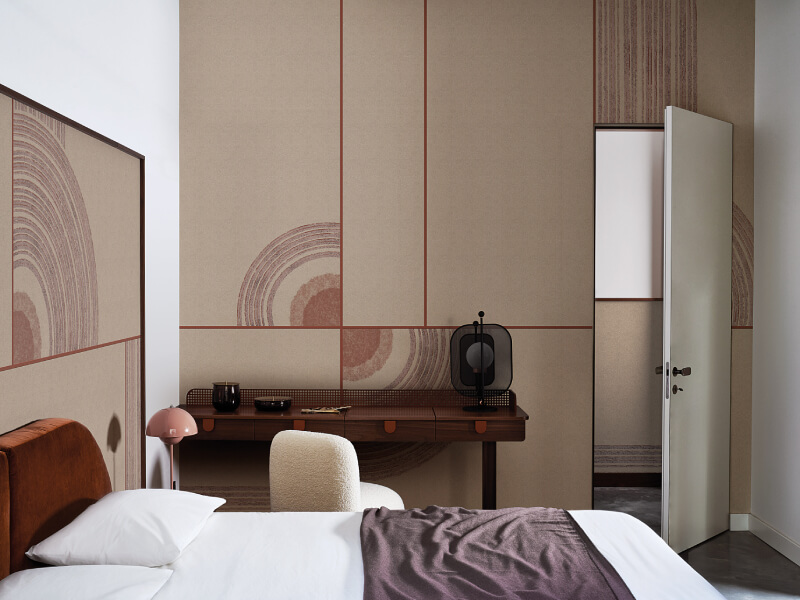
Matte finishes are popular in bedrooms and formal living rooms, and it is easy to see why. The lack of shine creates a cosy, relaxed atmosphere and does wonders for camouflaging flaws on older walls. If your unit has some texture or slight unevenness from previous renovations, matte will disguise it far better than a glossier alternative.
The trade-off is that matte paint marks more easily and can be tricky to clean without leaving a patch that looks different from the surrounding area. This makes it a less practical choice for spaces where kids, pets, or frequent guests pass through often. Ceilings are also a natural home for matte paint, since scuffing is rarely an issue up there and the flat finish helps hide any unevenness overhead.
Eggshell: The Everyday Compromise
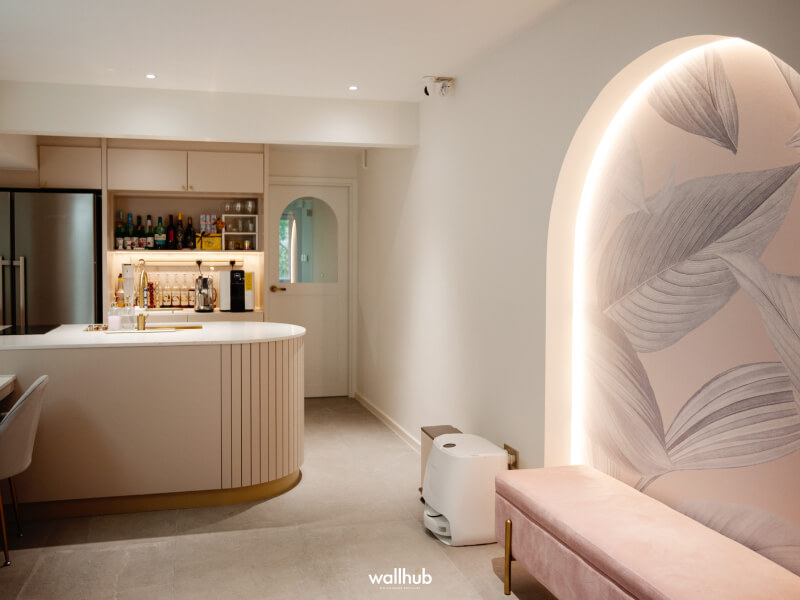
Eggshell has become something of a go-to for many Singapore homes, and for good reason. It strikes a balance between the softness of matte and the practicality of satin, making it suitable for living rooms, dining areas, and hallways that see moderate use.
This finish is more forgiving when it comes to light cleaning, so the occasional smudge from a bag or a piece of furniture being moved around will not leave a permanent mark. It also reflects just enough light to make a room feel a touch brighter without looking overly polished. For families who want walls that look good but do not need to be scrubbed constantly, eggshell often ends up being the sensible middle ground.
Satin: Built For Busy, Damp Areas
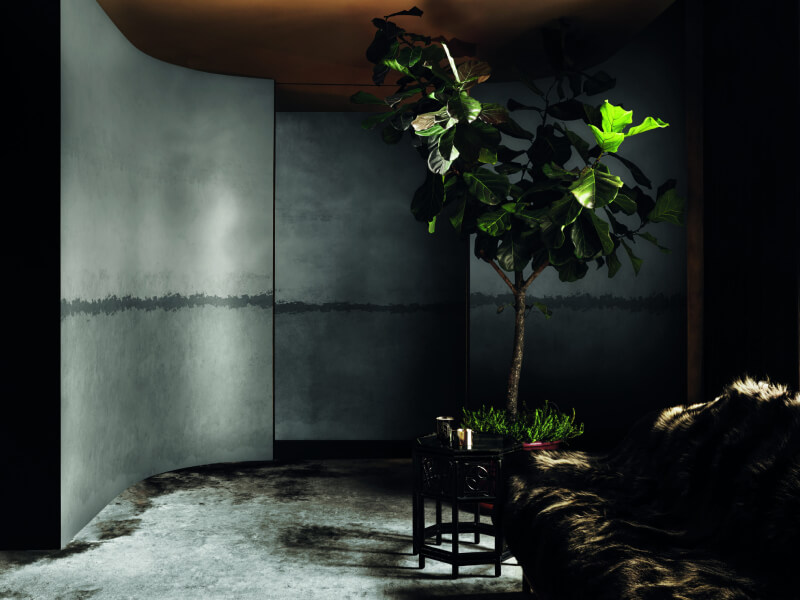
Satin is the workhorse of the three. Its smoother surface resists moisture, grease, and fingerprints far better than matte or eggshell, which makes it a natural fit for kitchens, bathrooms, and children’s rooms where crayon marks and sticky fingers are part of daily life.
Because satin holds up to regular wiping, it also suits skirting boards, door frames, and window sills, areas that get bumped and touched constantly. The one drawback is that its slight sheen can highlight uneven walls or patchy plastering, so it pays to make sure your surfaces are properly prepped before painting. If your walls have seen better days, some homeowners choose to soften the look by adding wallpaper to certain areas instead of relying on paint alone.
A Simple Way To Decide By Room
If you are still unsure which way to go, thinking room by room usually makes the choice clearer.
- Bedrooms and ceilings: matte for a soft, relaxed feel
- Living rooms and hallways: eggshell for everyday practicality
- Kitchens and bathrooms: satin for moisture resistance
- Kids’ rooms and high-touch areas: satin or eggshell for easier cleaning
None of these rules are set in stone. Some homeowners prefer the deeper, richer colour that matte gives even in a busy hallway, while others like the subtle shine of satin throughout the whole flat for a more cohesive look. The finish is a personal call as much as a practical one, so it helps to think about how each room actually gets used before settling on one.
Getting The Prep Work Right
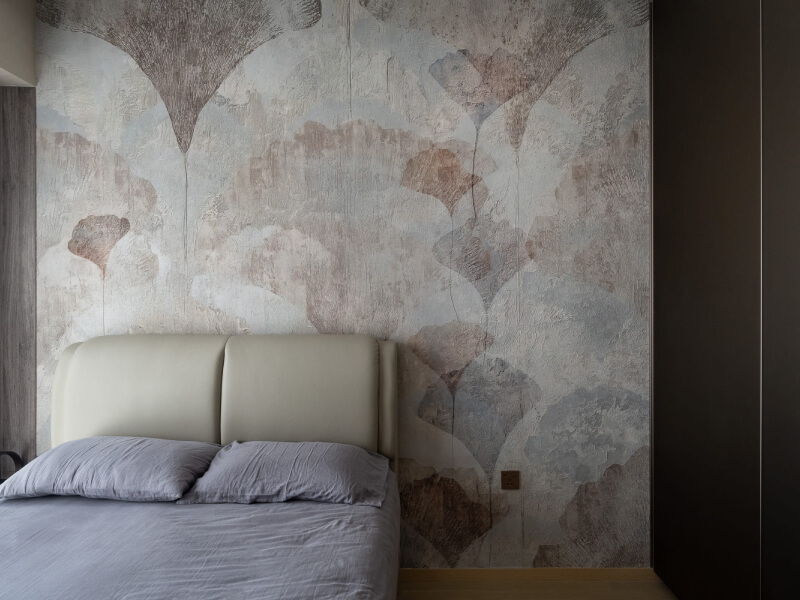
Whichever finish you land on, the paint will only look as good as the wall beneath it. Cracks, old flaking paint, and uneven patches should be sanded down and filled before the first coat goes on. Skipping this step tends to show up more with satin due to its sheen, but even matte paint will look patchy over poorly prepared surfaces.
It also helps to test a small patch on the actual wall before committing to a full room. Lighting in Singapore homes can vary quite a bit depending on how much natural light comes in, and a colour that looks lovely in the shop can read very differently once it is up against your windows and furniture.
Final Thoughts
Choosing between matte, eggshell, and satin does not need to feel like a guessing game once you know what each one brings to the table. Matte softens a room and hides flaws, eggshell handles everyday life without fuss, and satin takes on moisture and mess with ease. The right pick usually comes down to how a room is used day to day rather than which finish looks best on a paint chip.
If you are planning a repaint and want expert guidance on finishes, colours, or textures suited to your home, get in touch with Wallhub. Our team can help you find the right combination for every room, so your walls look great and hold up to real life.