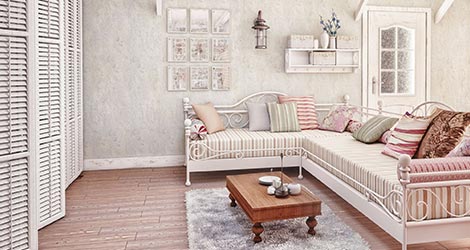
A successful interior design starts with a fundamental, yet often overlooked, relationship: the one between your walls and your floors. When these two surfaces work in harmony, they create a cohesive and welcoming foundation for your entire home. They are the backdrop against which all other design elements, from furniture to artwork, are measured. A well-considered pairing can make a small room feel expansive, or a large, cold space feel warm and intimate.
A Symphony of surfaces: Understanding the wall-floor relationship

The secret to a beautiful space lies not in matching every element, but in creating a sense of visual flow and balance. Your floor is the anchor of the room, grounding all the elements, while your walls define the space and provide the canvas for your personal style.
When you begin to select your materials, start by considering a simple rule of contrast. Pairing a light-coloured floor with dark walls creates a cosy, intimate feel, as if the room is enveloping you. Conversely, a dark floor with light walls adds drama and visual weight, making the lighter walls stand out and feel airy. A tone-on-tone approach, where walls and floors are similar shades, can create a seamless, minimalist look that makes a space feel larger and more open. This is a particularly effective strategy for homeowners looking to create a modern, serene vibe in their space.
The foundation below: Making sense of your flooring choice

Before you even think about your walls, you must understand your flooring. The material and colour of your floors will dictate the mood of the entire room. Wood flooring, for example, is inherently warm and versatile, with various undertones from golden oak to deep mahogany. A cool-toned timber floor with grey undertones pairs beautifully with equally cool wall colours like soft blues or greys, creating a calm and contemporary feel. Warm-toned timber, on the other hand, complements creamy whites, beiges, and earthy greens, evoking a natural and inviting atmosphere.
Beyond timber, consider other materials. Porcelain or ceramic tiles, popular in Singapore homes, offer durability and come in a vast range of colours and patterns. Large format tiles can make a space feel more expansive. Vinyl and laminate flooring mimic the look of wood or stone but offer practical benefits like water resistance and easy maintenance, making them an excellent choice for a busy household.
Beyond the paint can: Navigating your wall options

Once your floor is sorted, it is time to turn your attention to the vertical surfaces. While paint is a classic option, it’s not the only one. Wallpaper in Singapore has seen a huge surge in popularity, offering an incredible range of textures, patterns, and colours that can instantly elevate a room. A subtle grasscloth wallpaper can add texture and warmth, while a bold, patterned one can create a stunning feature wall. The key is to ensure the wall covering complements the floor rather than competing with it. For example, a floor with a strong, visible wood grain might be best paired with a solid colour or a subtle textured wall covering to avoid visual clutter. A quieter floor can handle a more elaborate wall treatment.
Another modern wall treatment is the use of wall panels, which can add a layer of sophistication and architectural detail. From clean-lined fluted panels to classic wainscoting, these vertical elements can create a distinct character and visual interest that simple paint cannot achieve.
The existing floor is the wrong colour: Now what?

This is a common and often frustrating dilemma. You move into a new place and are faced with a floor colour you dislike. Perhaps it is a dated orange-toned wood or an unforgiving dark tile. The good news is you do not have to rip it all out. Instead, you can use the principles of contrast and colour theory to make it work.
First, identify the undertone of the floor. Is it yellow, orange, red, or grey? Once you know this, you can choose a wall colour that either complements or contrasts it strategically. For a floor with a strong yellow or orange undertone, use cool-toned wall colours like blues or greens. These cool shades will visually balance the warmth of the floor, neutralising its effect and making the space feel more harmonious. For a very dark floor, embrace the drama by painting your walls a very light, crisp white to create a powerful contrast.
Rugs are your best friend in this scenario. A large area rug can cover a significant portion of a floor you dislike, introducing a new colour palette and texture that is more aligned with your style. Use the rug to anchor your main living area and distract from the flooring underneath.
The open-concept challenge: Walls, floors, and seamless flow

Open-concept living spaces are popular, but they present a unique design challenge: how to create a cohesive look without the visual separation of walls. The floor becomes an even more critical unifying element. A common mistake is to change the flooring at an arbitrary point, which breaks the visual flow.
The best strategy for open-plan areas is to use the same flooring material throughout the entire space, or to choose materials that are seamlessly complementary. For instance, you could run a light wood-look vinyl from the living room into the kitchen and dining area. If you must use different materials, make sure the transition is intentional. For example, use a striking transition point like a kitchen island to delineate the change from tiles to timber.
To define different zones within the open space, you can rely on other design elements. Use area rugs to create “islands” for the living and dining areas. You can also use furniture and lighting to guide the eye and signal a change in function without interrupting the floor plan. For example, a large pendant light over the dining table can act as a subtle visual marker for that area.
The role of light and furniture in tying it all together
The final, crucial elements in wall and floor harmony are light and furniture. Lighting, both natural and artificial, can dramatically alter the appearance of your surfaces. A room with abundant natural light may need darker colours to prevent a washed-out look, while a dimly lit room will benefit from lighter, more reflective colours on both the walls and the floor. The temperature of your light bulbs also matters. Warm-toned bulbs (yellowish light) will enhance the warmth of wood floors and warm-toned walls, while cool-toned bulbs (bluish light) will make grey and cool colours appear crisper.
Finally, your furniture and decor are what bring the entire scheme to life. Use them to create balance. If you have a dark floor and light walls, consider adding furniture that has a mix of dark and light elements to tie them together. Think of a dark sofa with light cushions, or a light timber table with black metal legs. By paying attention to these small details, you can ensure that your walls and floors work together to create a space that feels thoughtful, cohesive, and perfectly you.
Wallhub is a premier destination for all your wall and floor needs, offering an extensive selection of high-quality materials to help you create a harmonious and stylish home.