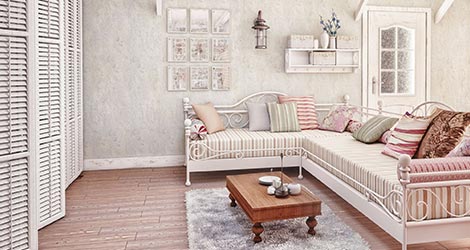
Have you ever experienced walking into a room and immediately feeling something? Perhaps it’s calm and soothing. Maybe it feels lively and energising. Occasionally, it might even make you uneasy without a clear reason why. While lighting, furniture, and layout all contribute to a room’s atmosphere, another element shapes our emotional response: the patterns on the walls.
In recent years, researchers and designers have become increasingly interested in how visual environments affect the human mind. One field exploring this connection is neuroaesthetics, which studies how aesthetic experiences influence brain activity, emotions, and behaviour. It blends insights from neuroscience, psychology, and art to understand why certain designs make us feel relaxed, focused, or inspired.
Wallpaper, often chosen purely for decorative reasons, is actually part of this psychological landscape. The colours, patterns, and textures covering your walls may subtly shape how your brain processes the space around you. Hence, if you’ve been browsing for wallpaper in Singapore recently, it is worth understanding how these visual elements might influence your mood.

How Visual Stimuli Affect the Brain
Humans are highly visual creatures. A large portion of the information our brains process each day comes from what we see. Because of this, our surroundings constantly send signals to our brain, even when we are not consciously paying attention. When you look at a patterned wall, the visual information first travels through the optic nerve to the brain’s visual cortex. This area processes basic features such as colour, contrast, shape, and movement. However, the journey does not stop there.
Other areas of the brain become involved almost immediately. The limbic system, which helps regulate emotion, responds to visual cues that signal comfort, safety, or excitement. Meanwhile, the prefrontal cortex—the region responsible for planning and decision-making—interprets patterns and structure in ways that influence focus and cognitive clarity.
Even the motor cortex may become subtly activated when our environment encourages alertness or readiness to act. In other words, our brain does not simply “look” at a wall. It interprets it emotionally, cognitively, and sometimes even physically.
This is why interior design choices can have a deeper psychological impact than we often realise. A calm, orderly space may promote relaxation, while a visually chaotic one might trigger mild stress or distraction.
The Role of Emotional Memory and Personal Associations
While certain patterns and colours tend to evoke similar reactions in many people, individual experiences still play a major role in how we interpret visual environments. Our emotional memory, which is closely linked to the amygdala, influences how we respond to particular colours or designs. For instance, a warm yellow wall might remind someone of a cheerful childhood kitchen, creating a comforting feeling. For another person, that same shade could feel overwhelming or even irritating.
Cultural influences also shape aesthetic preferences. Patterns that appear elegant or traditional in one culture may feel unfamiliar or intense in another. Personal taste, upbringing, and past experiences all interact with the brain’s processing of visual stimuli.
Because of this, the most effective design choices often depend on how well a space aligns with its intended function and the emotions it is meant to evoke. A calming bedroom environment, for example, may benefit from soft, gentle patterns, while a creative workspace might thrive with more stimulating visuals.
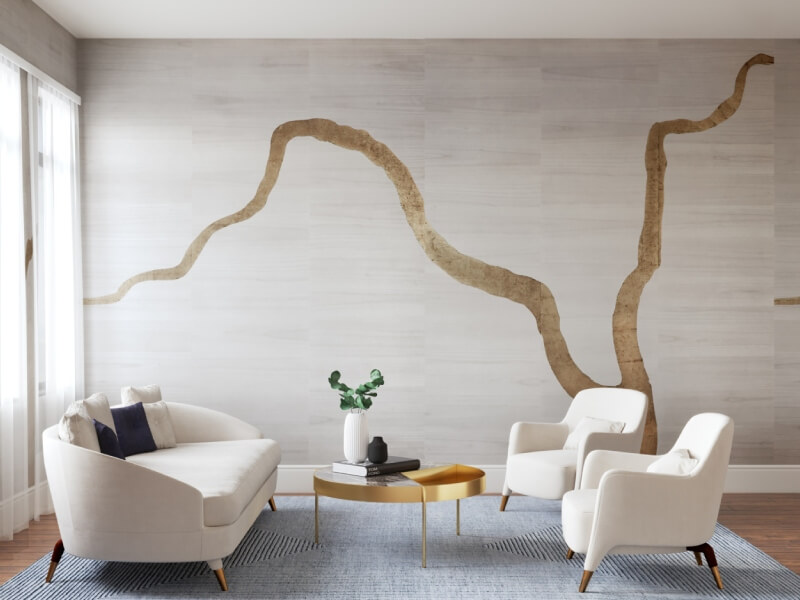
Why Patterns and Textures Influence Mood
When people think about wallpaper, colour is usually the first feature that comes to mind. Yet pattern and texture can be just as influential when it comes to shaping our perception of a room.
Patterns introduce rhythm and repetition into a space. The brain naturally looks for structure and predictability, which is why certain repeating designs can feel organised and reassuring. Symmetrical patterns often create a sense of balance because they are easy for the brain to interpret.
In contrast, irregular or organic patterns can spark curiosity. Because they contain more variation, they encourage the brain to explore and interpret the design more actively. This can be stimulating, particularly in environments where creativity is encouraged.
Contrast also plays an important role. Designs with strong colour contrasts may increase alertness, but they can also become visually tiring if used extensively. Over time, too much contrast can make it difficult for the brain to maintain focus.
The Impact of Pattern Scale
Beyond the type of pattern, scale can significantly affect the mood of a room. Large patterns tend to feel dramatic and immersive. They create strong visual impact and can transform a wall into a statement feature. However, in smaller spaces, they may dominate the room and feel overwhelming.
Smaller patterns, on the other hand, are generally more subtle. They blend into the background more easily and create a gentle sense of texture rather than commanding attention. Spacing between repeating elements also matters. Tight, closely packed patterns may feel energetic and dynamic, while designs with more open space often appear calmer and more breathable.
The Role of Texture
Even when it is purely visual, texture adds another dimension to wallpaper design. Matte finishes or fabric-like textures tend to create warmth and softness, which can make a space feel more inviting. Reflective or glossy surfaces, meanwhile, may add brightness and vibrancy but sometimes introduce a cooler, more energetic atmosphere.
Because our brains respond to these subtle cues, thoughtful combinations of pattern, scale, and texture can quietly influence how comfortable or stimulating a room feels.
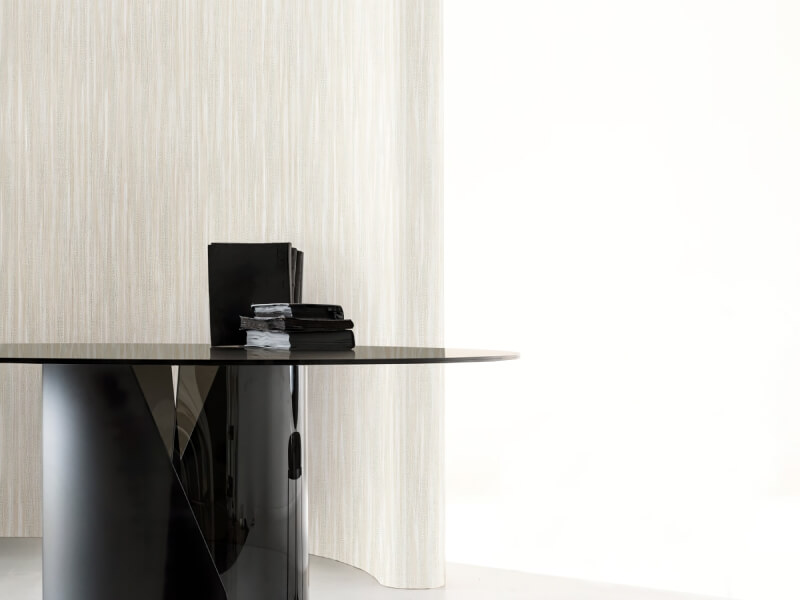
When Does Wallpaper Design Become Overstimulating?
While visually rich environments can be engaging, too much complexity may lead to cognitive overload. This occurs when the brain is presented with more visual information than it can easily process. Overly busy patterns, clashing colours, or dense visual textures can make it difficult for the mind to relax or concentrate. Instead of creating interest, the environment may start to feel chaotic.
Some common signs of visual overstimulation include:
- Feeling unusually stressed in a room
- Eye fatigue or restlessness
- Difficulty concentrating
- Lower productivity or mental fatigue
If you have ever walked into a room and felt subtly uncomfortable without knowing why, the visual environment (including the wallpaper) may have been contributing to that sensation.
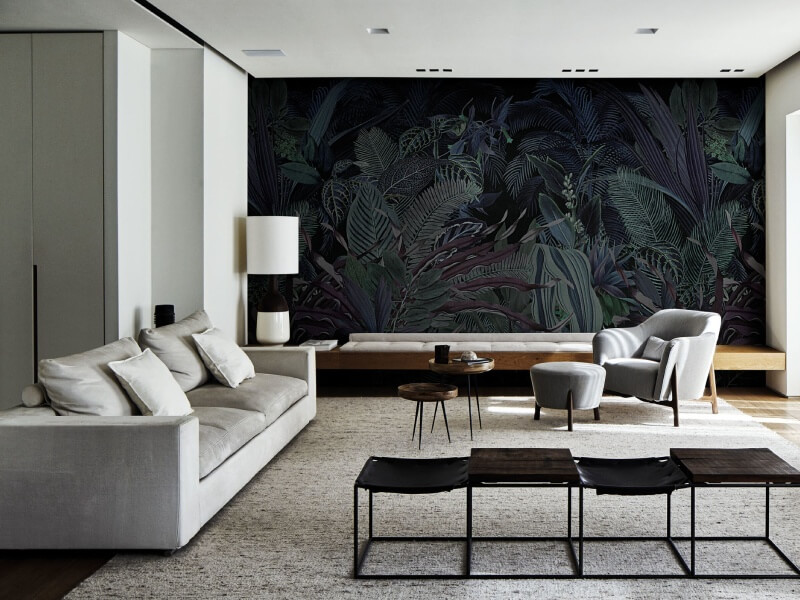
How Different Wallpaper Patterns Shape Mood
Although personal reactions vary, certain pattern styles tend to produce broadly similar psychological responses.
1. Geometric Patterns: Order and Mental Clarity
Geometric wallpaper featuring shapes such as hexagons, diamonds, or clean linear designs often communicates structure and organisation. Because the brain easily recognises repeating shapes, these patterns can create a sense of predictability.
In workspaces or study areas, geometric patterns may help reinforce focus and mental clarity. However, extremely sharp angles or high-contrast designs can sometimes feel rigid if used too extensively.
2. Nature-Inspired Patterns: Calm and Restoration
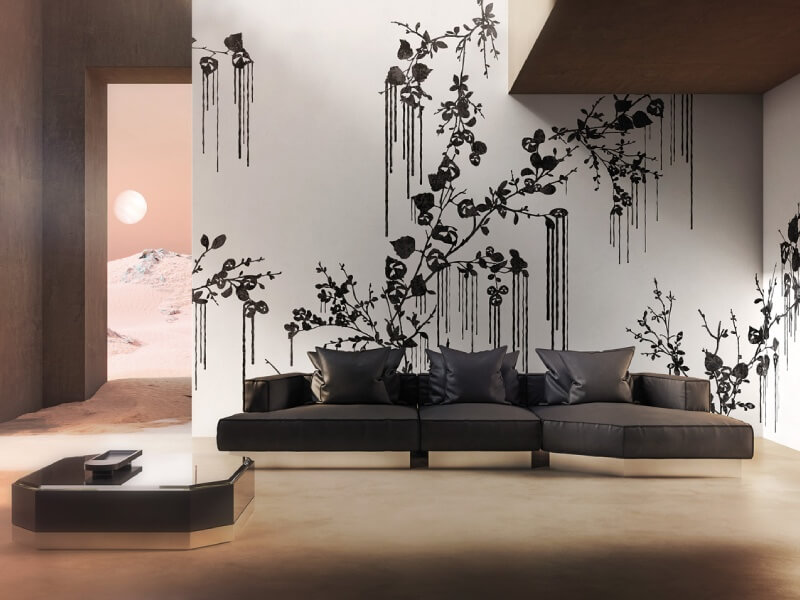
Patterns inspired by nature, such as leaves, vines, florals, or flowing organic shapes—often promote relaxation. This reaction may be linked to biophilic design, a concept suggesting that humans feel more comfortable when surrounded by elements reminiscent of the natural world.
Soft botanical patterns can create a tranquil environment, making them particularly suitable for bedrooms, lounges, and reading spaces.
3. Abstract Patterns: Energy and Creativity
Abstract wallpaper designs break away from predictable structure. With irregular shapes, flowing lines, and unexpected colour combinations, they encourage curiosity and imaginative thinking.
These designs often work well in creative environments such as art studios, cafés, or collaborative workspaces. However, moderation is key, as overly chaotic designs can feel distracting rather than inspiring.
4. Minimalist Patterns: Subtle Calm
Minimalist patterns take a different approach by keeping visual complexity low. Gentle stripes, faint motifs, or lightly textured surfaces add depth without overwhelming the senses.
These understated designs for meditation and mindfulness are especially useful in smaller rooms where bold patterns might feel cramped. By reducing visual noise, minimalist wallpaper allows the brain to relax while still maintaining visual interest.
Choosing Wallpaper Based on Room Function
Since wallpaper influences emotional tone, selecting the right pattern often depends on how a room is used.
- Bedrooms:
Spaces dedicated to rest benefit from soothing visuals. Soft florals, flowing patterns, or muted geometric designs can create a peaceful atmosphere that encourages relaxation and better sleep. - Living Rooms:
Living rooms often serve as multifunctional areas for conversation, entertainment, and relaxation. Balanced patterns—neither too bold nor too subtle—can provide character without overwhelming the space. - Home Offices:
Workspaces typically require visual clarity and minimal distraction. Subtle geometric patterns or light textures can add personality while still supporting concentration. - Creative Areas:
Rooms dedicated to hobbies, brainstorming, or artistic work can accommodate more expressive designs. Bold patterns and abstract styles may help stimulate imagination and fresh ideas.
Conclusion
The spaces we inhabit communicate with our minds in discreet but impactful ways. Walls are often treated as simple backdrops, yet they constantly influence how we feel, think, and behave throughout the day. Thus, wallpaper patterns, colours, and textures do more than decorate a room; they shape its emotional atmosphere. From calming botanical designs to energising abstract motifs, each pattern carries subtle psychological signals that our brains interpret automatically.
Understanding how these visual elements interact with our cognitive and emotional responses allows homeowners to make more intentional design choices. The result is not just a more beautiful interior, but a space that supports the mood, focus, and wellbeing we want to cultivate every day.