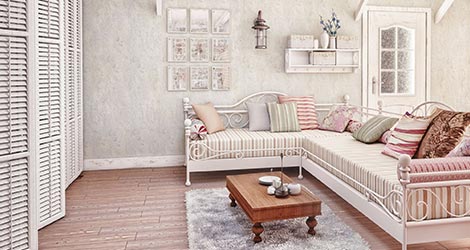
Wallpapers have become a stylish and practical way to update interiors without the hassle of a full renovation. They bring colour, pattern, and personality to a space, allowing homeowners to create a distinct look that paint alone often cannot achieve. Still, many homeowners in Singapore hesitate to use wallpaper because they have questions about its suitability, durability, and upkeep.
To clear up the confusion, this article addresses the most common questions people ask before deciding to install wallpaper in their homes.
What Types Of Wallpaper Are Available?
Homeowners are often surprised by how many types of wallpaper are available today. The main options include vinyl, non-woven, fabric, and peel-and-stick wallpapers. Vinyl wallpaper is the most popular for its durability and ease of cleaning, which makes it ideal for living rooms, hallways, and even some kitchen spaces. Non-woven wallpaper, made from natural and synthetic fibres, is breathable and easy to install or remove, making it a favourite for first-time users. Fabric wallpaper adds a luxurious, textured feel, while peel-and-stick wallpaper is a convenient option for renters who want to personalise their space without damaging the walls.
When selecting wallpaper in Singapore, it’s important to consider not just aesthetics but also practical factors like humidity, sunlight exposure, and foot traffic in the room. This ensures that the chosen wallpaper can withstand local conditions and maintain its appearance over time.
How Long Does Wallpaper Last?

A common question among homeowners is how long wallpaper will actually last. The good news is that high-quality wallpaper can last anywhere between 10 to 15 years when installed and maintained properly. This makes it more durable than most paint jobs, which often need refreshing every few years. The longevity of wallpaper depends on several factors such as the condition of the wall before installation, the quality of the adhesive used, and how well it is maintained. Rooms that are well-ventilated and not exposed to excessive moisture also help preserve the wallpaper’s look for longer.
Choosing premium materials and hiring professional installers can further extend the lifespan of your wallpaper. While the upfront cost may be slightly higher, the long-term durability makes it a worthwhile investment.
Is Wallpaper Suitable For Humid Weather?
Singapore’s tropical climate often raises concerns about whether wallpaper can hold up against humidity. This is one of the most common worries for local homeowners, but modern wallpapers are designed to be much more resilient than older types. Non-woven and vinyl wallpapers are particularly well-suited for humid conditions because they are breathable and moisture-resistant. They are less likely to trap moisture between the wall and the paper, reducing the risk of mould and peeling.
To further protect your wallpaper from humidity, ensure that walls are dry and primed before installation, use mould-resistant adhesive, and keep the space well-ventilated. Regularly wiping the surface to remove condensation or dust can also help your wallpaper remain in good condition despite the humid weather.
Can Wallpaper Be Used In Bathrooms And Kitchens?

Another common question is whether wallpaper can be used in areas like bathrooms and kitchens where moisture is present. While traditional paper wallpaper may not be ideal, vinyl wallpaper works surprisingly well in these spaces when used in low-splash areas. It is water-resistant and easy to clean, which makes it a practical option for adding style to functional rooms. For example, it can be used to decorate walls near the dining nook or the dry zones of a bathroom.
However, wallpaper should not be placed directly behind sinks, stoves, or inside shower enclosures where it will be exposed to constant splashes or steam. In such areas, tiles or waterproof panels are still the better choice. Combining wallpaper with other wall materials can create a stylish yet practical design.
What Is The Difference Between Wallpaper And Paint?
Many homeowners compare wallpaper and paint when planning to refresh their interiors. Paint is generally more affordable and offers a clean, minimalistic look, while wallpaper provides endless possibilities for patterns, textures, and finishes. Wallpaper can transform a plain wall into a feature piece, making it ideal for accent walls or spaces where you want to add visual interest.
Another option becoming popular among design-conscious homeowners is limewash paint, which gives walls a soft, chalky finish with subtle texture. It creates a natural, layered look without bold patterns, offering a middle ground between flat paint and wallpaper. Choosing between paint, limewash, and wallpaper depends on your personal style, budget, and how frequently you want to change your home’s look.
How Should Walls Be Prepared Before Installing Wallpaper?

Wall preparation plays a big role in how well wallpaper adheres and how smooth the final result appears. Start by ensuring the surface is clean, dry, and free from grease or dust. Any cracks or holes should be filled and sanded down, and the wall should be primed with a suitable wallpaper primer to help the adhesive stick better. If there is existing wallpaper, it should be removed completely before applying a new one.
Painting the wall with a light base colour beforehand can also prevent darker patches from showing through thin wallpaper. While some homeowners attempt DIY installation, hiring a professional installer ensures these preparation steps are done properly, resulting in a neater and longer-lasting finish.
Can Wallpaper Be Removed Easily?
Some homeowners hesitate to try wallpaper because they worry it will be difficult to remove. Fortunately, many modern wallpapers, especially non-woven and peel-and-stick types, are designed to come off cleanly without damaging the wall underneath. To remove wallpaper, gently peel it from one corner and slowly pull it away from the wall. Any leftover adhesive can be softened with warm water and wiped off.
This ease of removal means you can update your interiors whenever your style changes, without worrying about permanent damage to the walls. It makes wallpaper a flexible choice for people who like to refresh their décor from time to time.
How Much Does Wallpaper Installation Cost?

The cost of wallpaper installation varies depending on the material, design complexity, and size of the wall. On average, installing wallpaper in Singapore ranges from about $200 to $800 per wall. Premium materials and intricate patterns cost more, while simpler designs are more budget-friendly. Although DIY installation might seem cheaper, professional installation ensures that the wallpaper is applied smoothly, aligned correctly, and free of bubbles or creases.
Considering the long lifespan of wallpaper, paying for professional installation often provides better value in the long run. It also saves time and minimises the risk of costly mistakes.
How Do I Maintain Wallpaper?
Maintaining wallpaper is simple but essential for keeping it looking new. Dust your walls regularly with a soft cloth or a vacuum with a brush attachment. For washable wallpapers like vinyl, use a damp sponge to gently clean off stains or fingerprints. Always avoid abrasive cleaners or scrubbing too hard, as this can damage the surface. Attending to stains quickly before they set can also help preserve the appearance of your wallpaper.
With proper care, your wallpaper can stay vibrant and elegant for many years, making it a smart choice for long-term interior design.
Are There Eco-Friendly Wallpaper Options?

More homeowners today are looking for sustainable décor choices, and wallpaper is no exception. Many brands now offer eco-friendly wallpapers made from recycled fibres or printed using water-based inks. These options are free from harmful chemicals, making them safer for your household and the environment. Look out for eco-certifications or labels when selecting wallpaper to ensure that it meets environmental standards.
Choosing eco-friendly wallpaper not only reduces your home’s environmental footprint but also contributes to a healthier indoor atmosphere.
Conclusion
Wallpaper is a versatile and creative way to transform your home’s interiors, offering patterns, textures, and colours that paint alone can’t achieve. By understanding the different types of wallpaper, their durability, and how to maintain them in Singapore’s humid climate, you can confidently decide whether they suit your space. Investing in high-quality wall coverings can make a dramatic difference to your living environment. For expert guidance, inspiration, and a wide selection of designs, visit Wallhub to discover wallpapers that perfectly match your style.